China will stabilize grain and oilseed output, diversify agricultural imports, and increase support for farmers, state media reported on Tuesday, citing a government rural policy blueprint aimed at ensuring food security.
The State Council's "No. 1 document" comes as China prepares its next five-year plan amid trade friction with major food suppliers such as the US and Canada, as well as a domestic economic slowdown and climate challenges.
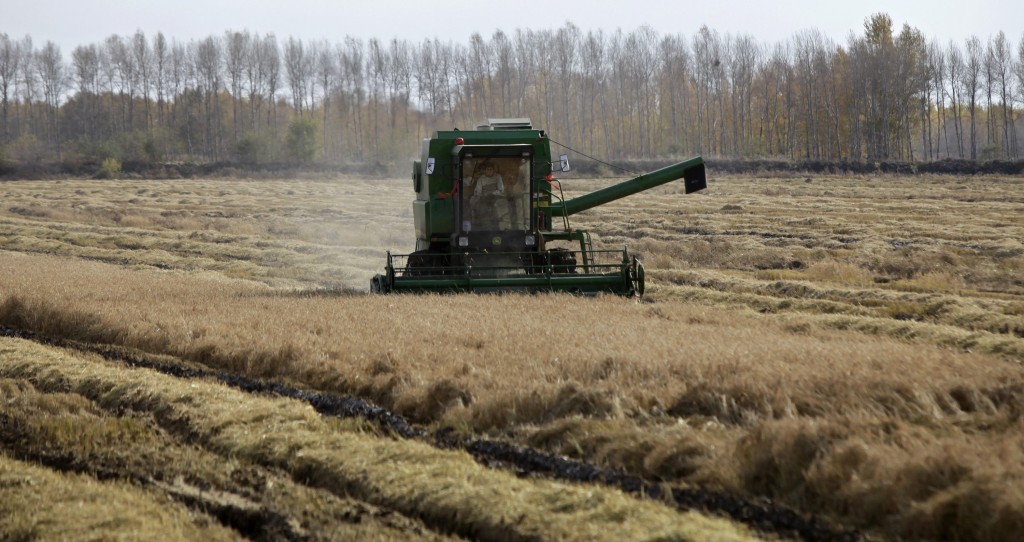
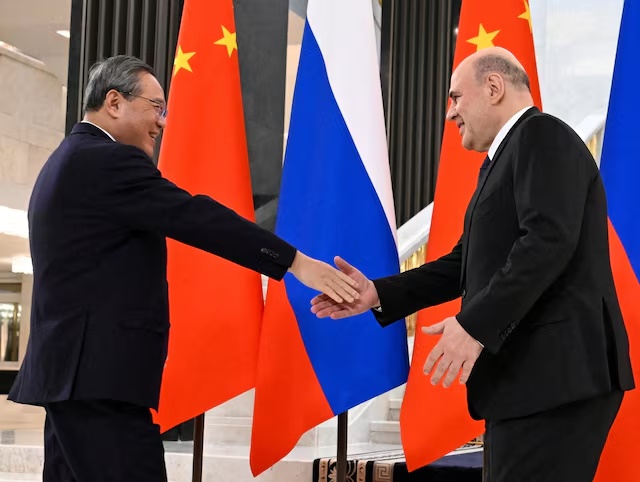
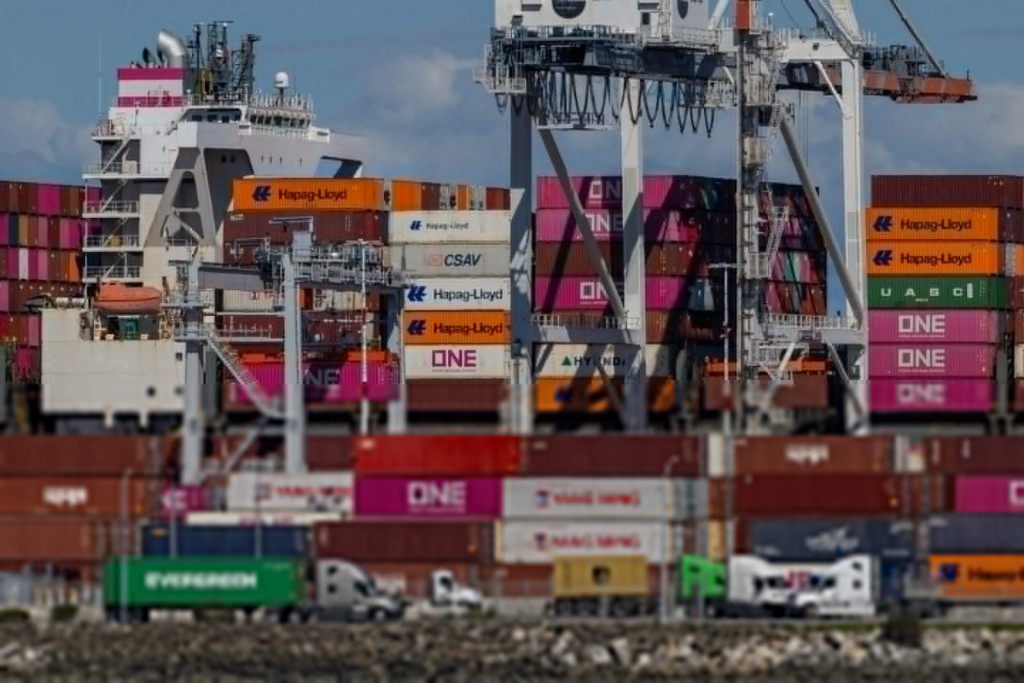
Although China recorded record grain output last year, it remains heavily reliant on imports. Trade tensions, particularly with the US, have accelerated efforts toward self-sufficiency, including investments in machinery and seed technology.
"The 15th Five-Year Plan period is a crucial stage for laying a solid foundation and making full-scale efforts to basically achieve socialist modernization," the document said.
"It is necessary to address prominent gaps in the agricultural and rural sectors and accelerate the building of a strong agricultural nation," it added.
China plans to foster internationally competitive agricultural enterprises, support the expansion of key and specialty agricultural exports, crack down on agricultural product smuggling, and actively engage in global agricultural and food governance, the document said.
It also outlines measures to boost agricultural innovation, including strengthening research platforms, backing leading agri-tech firms, advancing industrialized biotech cultivation, integrating AI with farming, and cultivating specialized agricultural talent.
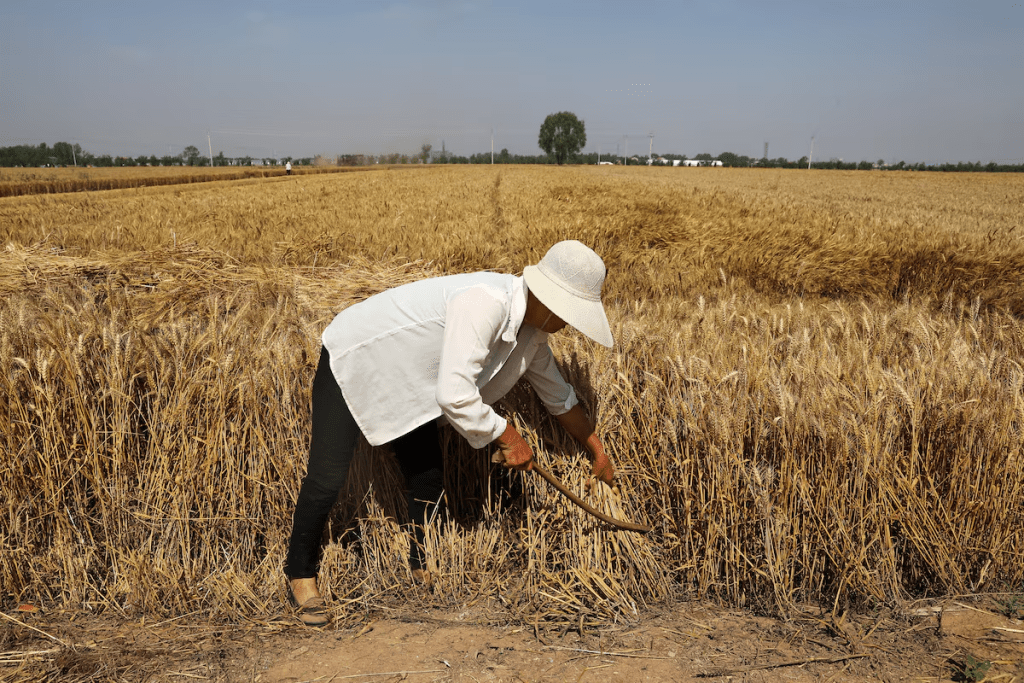
It will boost support for farmers through price, subsidy, and insurance policies, strengthen market monitoring, and keep grain and other key food prices stable.
China aims to stabilize pork, beef, and dairy production, promote balanced supply and demand, boost dairy consumption, and support the cultivation of key forage crops like silage corn and alfalfa, it said.
The meat sector has been hit by oversupply and low prices, squeezing producers' margins. The government has rolled out measures to stabilize the industry, including a quota system on beef imports and tariffs on EU dairy products.
Reuters