The traditional "double-ten" rule of pharmaceuticals—a decade of development and a billion-dollar price tag—is finally meeting its match in the silicon chip. As global healthcare shifts from reactive treatment to proactive prevention, Hong Kong has emerged as a high-tech crucible for this transformation. By marrying multi-omics analysis with generative AI and closed-loop automation laboratory, Beth Bioinformatics and Insilico Medicine, park companies of Hong Kong Science and Technology Parks Corporation (HKSTP), are replacing the hit-or-miss nature of empirical science with "predictive precision." From Professor Maggie Haitian Wang’s breakthrough in "backward-designed" vaccines to Insilico’s accelerated discovery of life-saving molecules for Idiopathic Pulmonary Fibrosis (IPF), the following profiles explore how AI is not just assisting medicine, but fundamentally rewriting the blueprint for human longevity and viral resilience.
How Beth Bioinformatics is Redefining Vaccine Development with AI
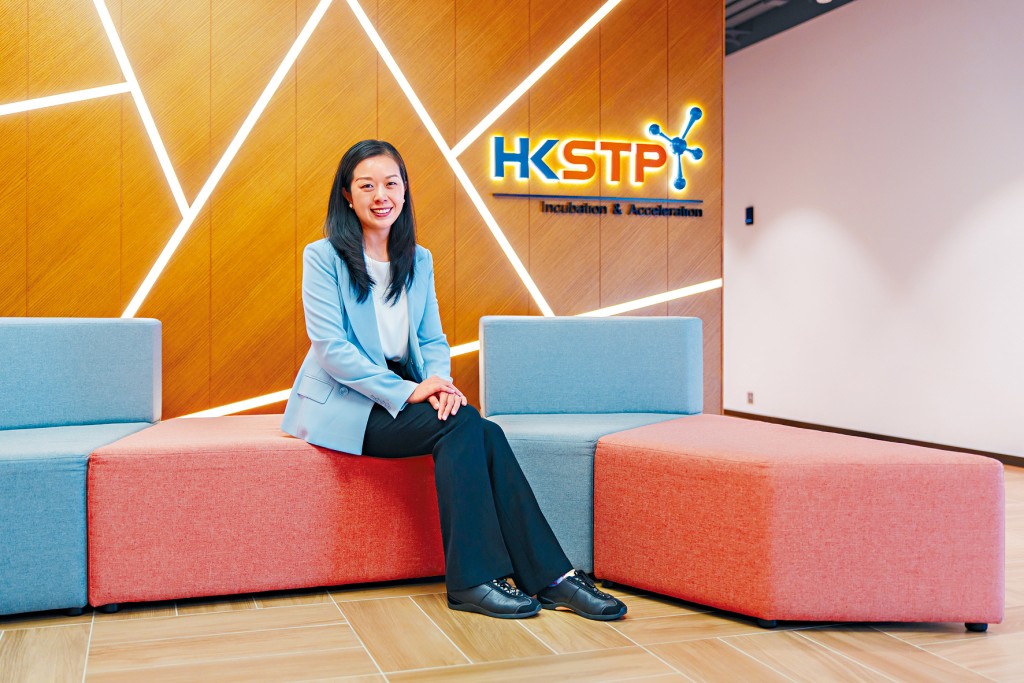
Beth Bioinformatics, a university spinoff and a graduate of HKSTP’s incu-bio programme, is transforming vaccine research from reactive trials to "predictive precision" using AI. Led by Professor Maggie Haitian Wang, the company is breaking traditional bottlenecks.
The company addresses viral mutation through proprietary AI algorithms that conduct deep-tissue analysis of global genomes and epidemiological trends. This has already been deployed to successfully predict circulating strains for Influenza and SARS-CoV-2, allowing pharmaceutical partners to produce high-precision vaccines ahead of schedule.
A cornerstone of their innovation is "Backward Design," a globally unique capability to predict human immune responses. By assessing efficacy before clinical trials begin, researchers can predict outcomes and work in reverse to determine optimal antigen designs. This methodology enhances potency while saving tens of millions in trial costs.
Beth Bioinformatics is currently expanding into therapeutic HPV vaccines to treat infections and cervical intraepithelial neoplasia (CIN). Utilizing "Sequence Recoding," the platform uses AI to optimize antigen expression, enhancing immune response while reducing dosages and side effects. This versatile technology holds immense translational potential for various virus-mediated diseases. By transforming "empirical science" into "predictive science," Professor Wang and her team are establishing Hong Kong as a critical global node for vaccine innovation.
Beth Bioinformatics: Professor Maggie Haitian Wang
How Insilico Medicine is Redefining Drug Discovery
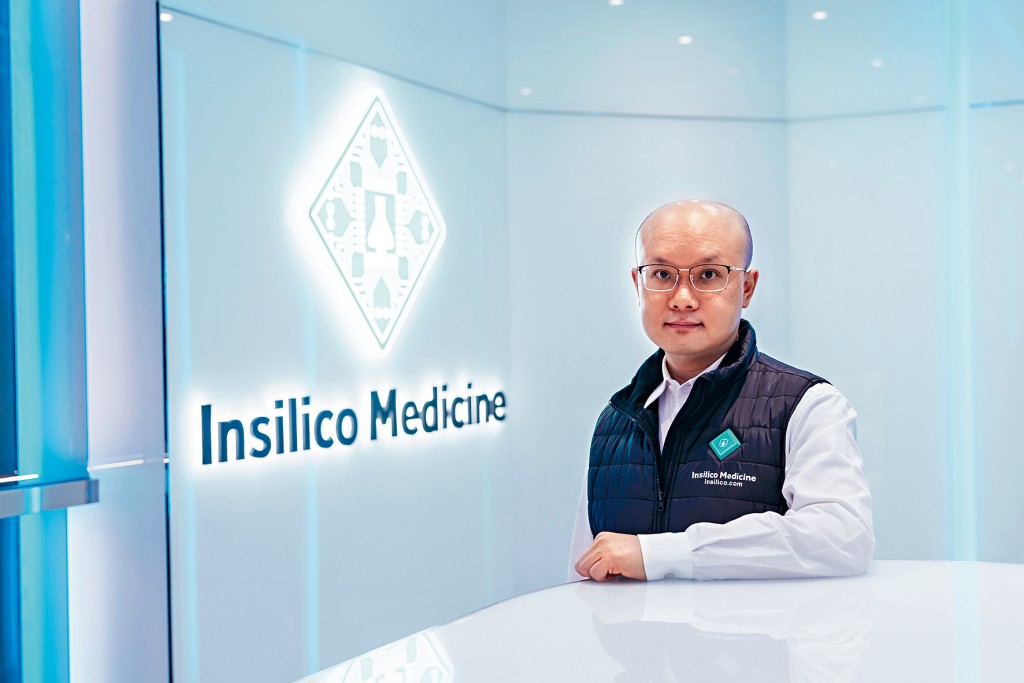
Insilico Medicine, a "unicorn" that listed on the HKEX in December 2025, is overturning the pharmaceutical industry’s "double-ten" rule—the grim reality that drug discovery typically costs over US$1 billion and takes 10 to 15 years. By integrating generative AI with automation laboratory, the firm is slashing early-stage drug discovery timelines from several years to just 12 to 18 months per program.
The company’s end-to-end platform, Pharma.AI, operates through several specialized stages:
- PandaOmics: This AI biology engine finds the "lock" that can switch a disease off, filtering multimodal omics and biomedical text data to discover previously hidden therapeutic targets.
- Chemistry42: Once a target is identified, this generative chemistry engine creates and optimizes new molecular structures. This AI-driven approach significantly reduces physical testing, requiring only 60 to 200 synthesized molecules to be tested per program.
- AI-driven Closed-Loop Automation Laboratory: An automated robotic lab conducts massive wet-lab experiments, creating a closed feedback loop where findings continuously inform and optimize the AI's future predictions.
This precision science has already produced Rentosertib, a breakthrough first-in-class candidate treatment for Idiopathic Pulmonary Fibrosis (IPF). Developed from an AI-discovered target (TNIK) and an AI-designed molecule, the drug has completed Phase IIa clinical trials in China with encouraging results regarding both safety and efficacy trends.
Building on these successes, HKSTP is further scaling this digital revolution through its landmark INNOPOLE project. Situated within the San Tin Technopole, INNOPOLE is designed as a strategic hub for "AI+"—a mission to embed AI across the city’s industrial DNA. By integrating AI with frontier sectors such as life and health technology, microelectronics, new energy, and advanced manufacturing, the project aims to transform traditional workflows into high-value, tech-driven ecosystems. As the first phase is scheduled to commerce in early 2027, INNOPOLE will serve as a critical bridge between Hong Kong’s research excellence and the Greater Bay Area’s massive manufacturing power, ensuring that the "predictive science" pioneered by firms like Beth Bioinformatics and Insilico Medicine becomes the standard for every industry in the region.
Insilico Medicine: Dr Frank Pun