The Hong Kong Observatory has revealed that its artificial intelligence (AI) forecasting model has shown promising results in predicting large-scale weather patterns up to 10 days in advance, including last weekend’s prolonged heavy rainfall.
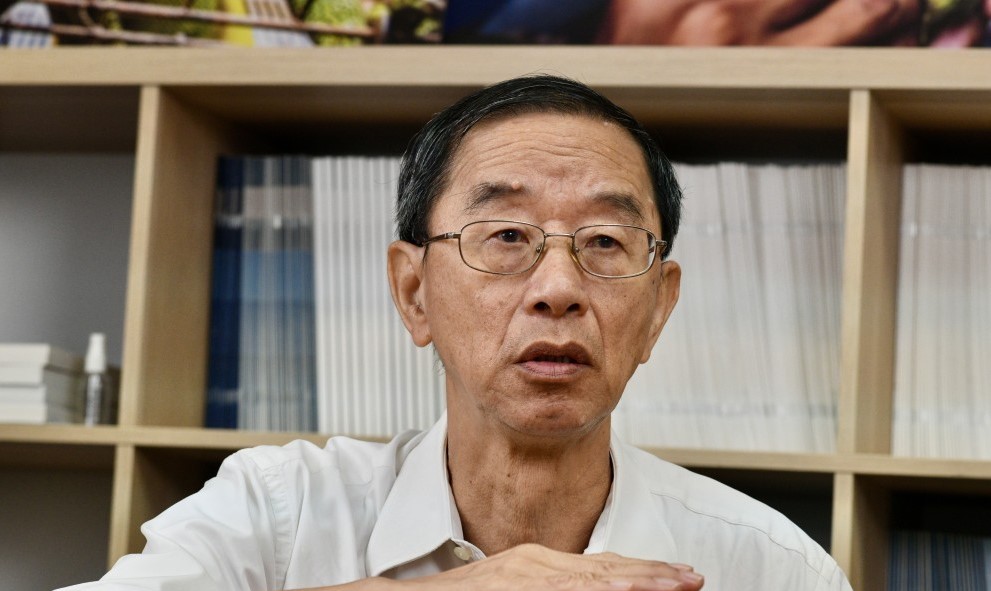
However, the technology is still in its early stages and cannot yet accurately predict extreme downpours, acting Senior Scientific Officer He Yuheng from the Observatory shared these findings on a radio program Friday.
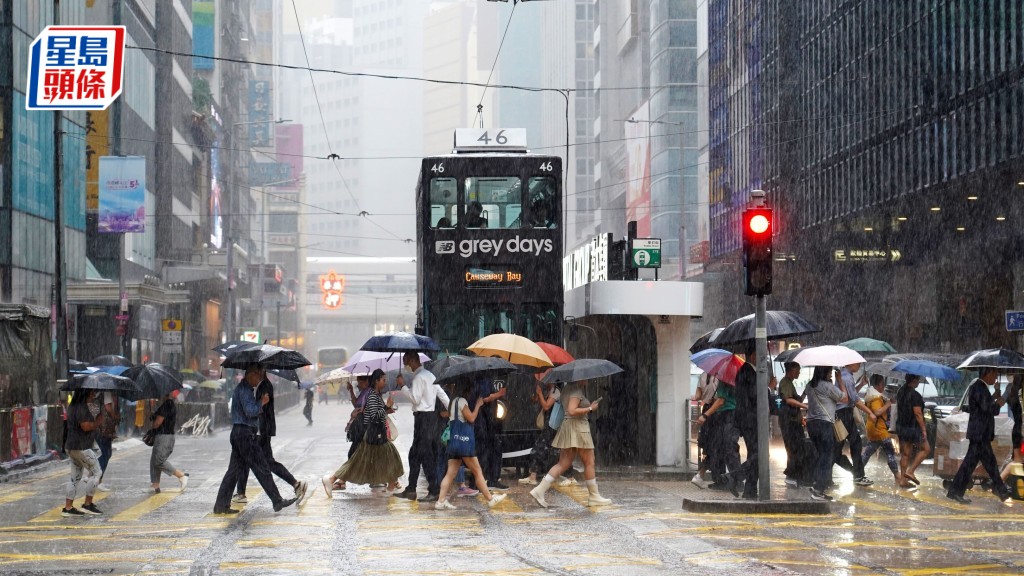
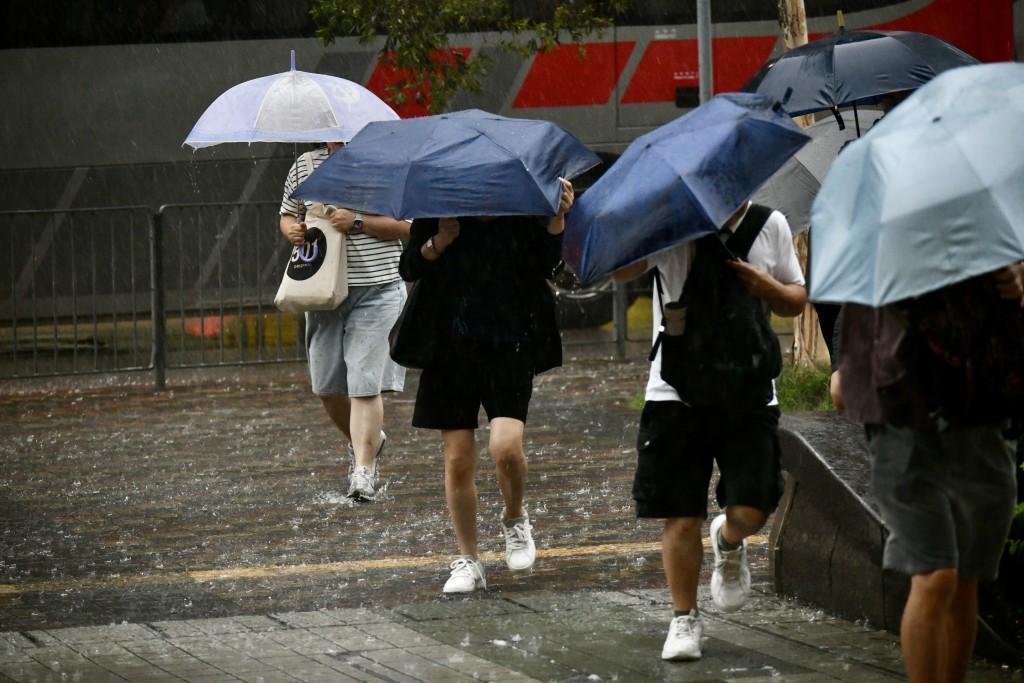
He explained that the AI model had successfully predicted the rain band affecting Guangdong’s coastal areas and the likelihood of heavy rainfall about a week before the recent storms, allowing the public to be warned in advance of potential thunderstorms and strong winds.
He noted that the Observatory relies on a combination of computer models, including both AI and traditional numerical weather prediction systems.
Preliminary analysis suggests that the AI model performs as well as—or even slightly better than—conventional methods in forecasting large-scale weather patterns over a 10-day period, said He.
This includes predicting factors such as the intensity of the southwest monsoon and the position of upper-air disturbances, which are crucial for heavy rain development.
He cautioned that while the AI provides a useful foundation for early warnings, it may not always accurately predict the precise spatial distribution of rainfall.
Regarding the AI’s ability to forecast black rainstorms, He said the Observatory began trialing the technology in mid-2023 and started offering direct rainfall predictions in the latter half of last year. However, due to the system’s relative novelty and limited case studies, further validation is needed to assess its reliability.
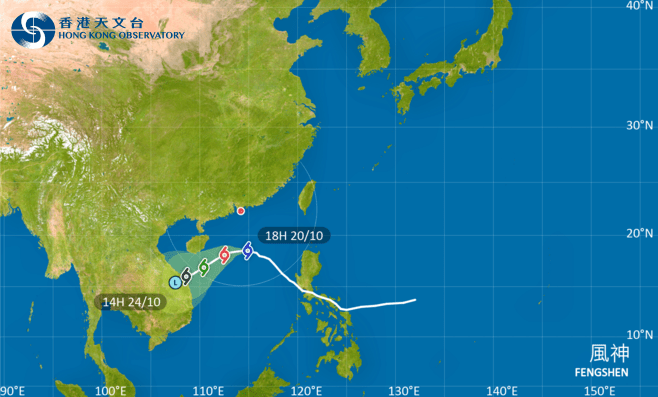
The AI model also shows mixed performance in predicting tropical cyclones, according to the weatherman.
He said that while the model struggles with forecasting the intensity of strong typhoons, it has demonstrated slightly lower error margins in tracking their paths compared to traditional models.
For five-day forecasts, the AI’s average path prediction error ranges between 300 and 500 kilometers, outperforming conventional models, which have errors of 500 to 800 kilometers. Nevertheless, Ho emphasized that even smaller errors can have significant real-world implications, highlighting the need for continued technological advancements.
(Marco Lam)