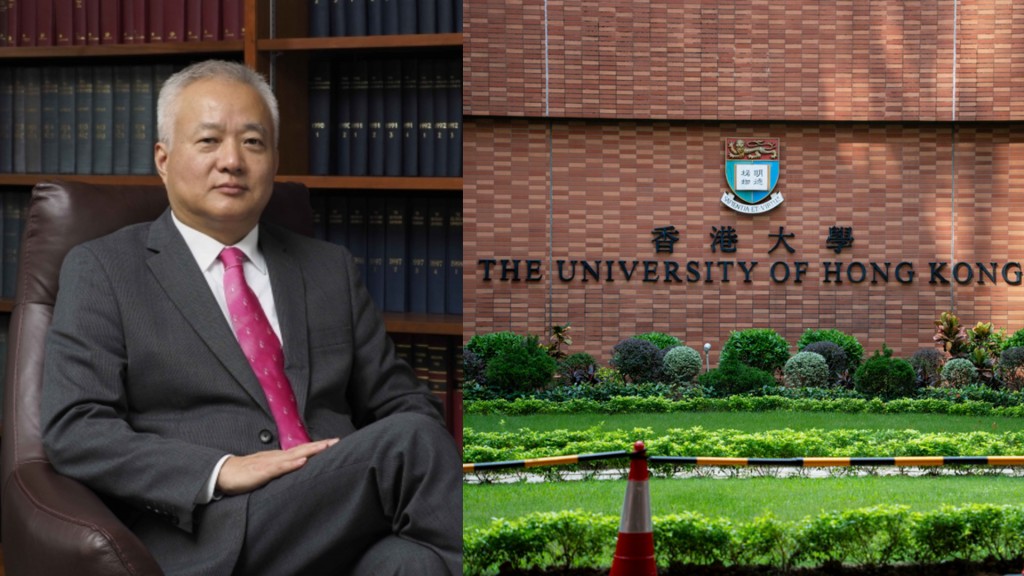
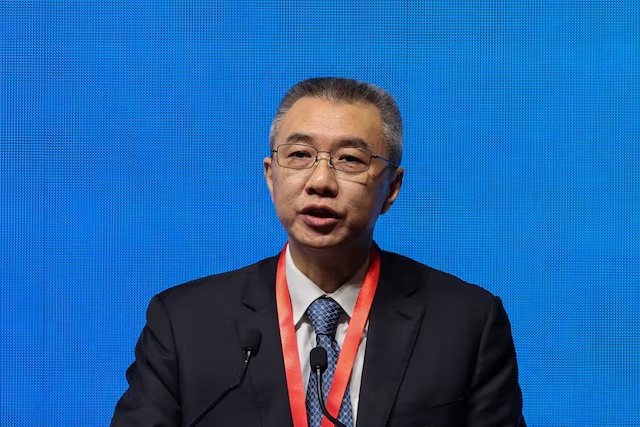
Dean of the Faculty of Law at the University of Hong Kong, Fu Hualing, condemned the male law undergraduate who generated indecent AI images of classmates and other women, calling the act "offensive, insulting, and egregious." (HKU faces criticism over lenient punishment for student who generated indecent AI images)
In an email sent to students on Sunday (July 13), Fu emphasized that the Faculty prioritizes student's well-being and urged students to seek help if needed. He added that assistance will be provided to students, especially those who are affected and feeling disturbed because of the incident.
Fu also pledged to discuss further arrangements with the victims.
His remarks came after three victims criticized HKU's disciplinary response as insufficient in holding the student, identified as "X," accountable. X received a warning letter from the university and was required to submit a formal apology to the affected students.
Over 700 images were discovered on X's personal computer, including both unauthorized downloaded or screenshotted portraits of classmates and other women, as well as AI-generated explicit pictures.
According to social media posts by three victims, the total number of victims ranged from 20 to over 30, including X's friends, university classmates, seniors, primary school classmates, and even secondary school teachers.
Fu emphasized that the Faculty opposes all forms of gender discrimination, harassment, and misconduct. He also stated that a thorough investigation would be conducted and appropriate action taken.
Meetings will be organized with the Law Association, HKU Student Union (HKUSU), affected students, and other groups to discuss follow-up measures.
Meanwhile, Fu addressed the challenges posed by AI to the university, noting that existing policies and mechanisms will be reviewed to ensure standards are clear and understandable.
He reiterated the Faculty's commitment to collaborating with students across platforms to reinforce professional ethics, particularly stressing the integrity expected of future legal practitioners.
(Judy Cui and Natasha Ng)