Read More


65 arrested as police bust illegal nightclub and gambling dens
12-07-2026 19:00 HKT
Mainland woman arrested after allegedly using counterfeit $1,000 banknotes
13-07-2026 12:56 HKT
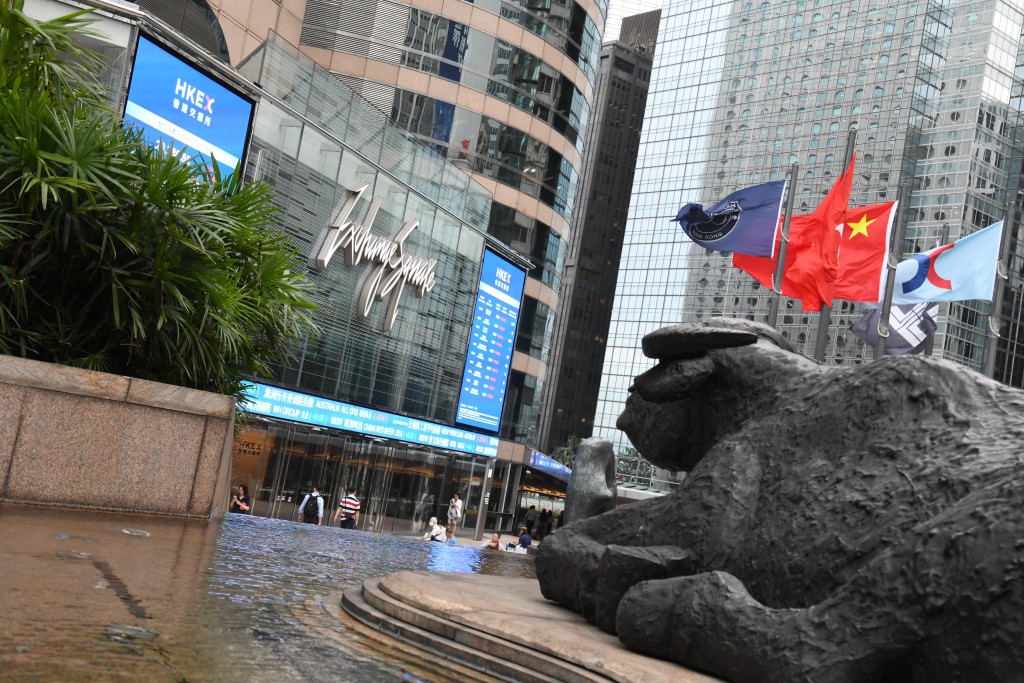
SenseTime Group, one of China's largest artificial intelligence firms, has filed an application for an initial public offering with the Hong Kong stock exchange at a time when a regulatory clampdown has cast dark clouds over the entire tech sector.
The company has yet to give a sense of the size of the deal, but it is, according to a report by Bloomberg, at least HK$15.6 billion.
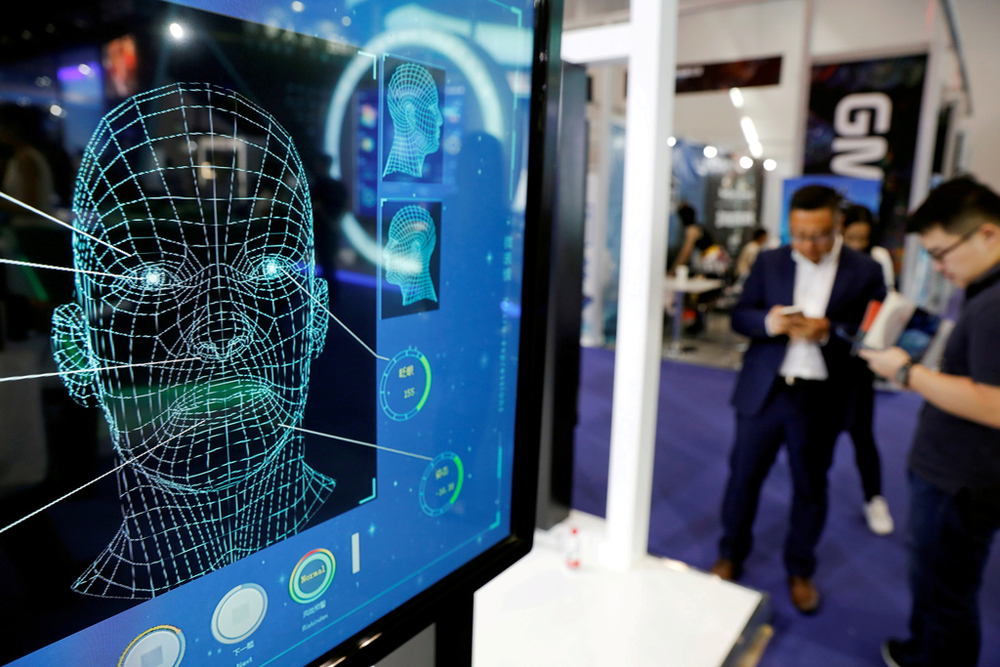
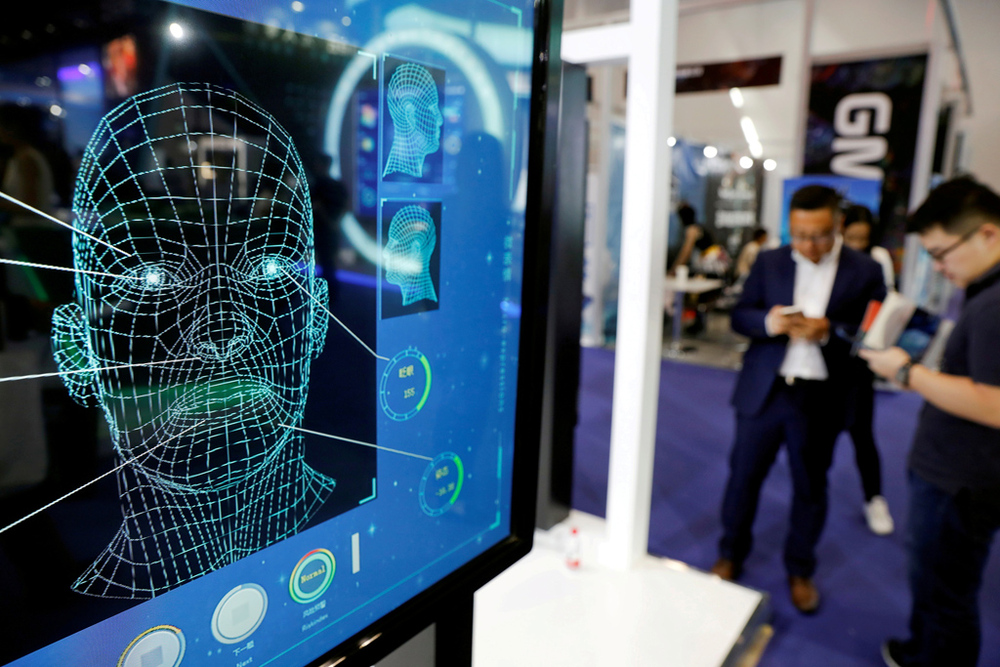
Founded in 2014 by Tang Xiao'ou, a professor of information engineering at the Chinese University of Hong Kong with MIT pedigree, SenseTime is best known for its facial recognition technology.
Its main source of revenue comes from sales of software platforms.
That is reflected in the company being rated as the largest artificial intelligence firm in Asia by revenue last year, according to Frost & Sullivan in a report commissioned by SenseTime and a finding it cites in its prospectus.
Its AI credentials can be gleaned from the 14.88 percent stake that Softbank holds in the Hong Kong-based startup prior to the IPO, the largest among institutional investors.
And that's not all: SenseTime's backers also include Alibaba, Tiger Global and Silver Lake.
However, the company warned of regulatory risks in its prospectus, citing "complex and evolving" laws and regulations regarding privacy and data protection, including new draft rules for cybersecurity reviews in the mainland.
"We cannot predict the impact of the draft measures, if any, at this stage, and we will closely monitor and assess any development in the rule-making process," SenseTime said in an exchange filing.
Also factoring uneasily in SenseTime's calculations is the placement of its Beijing subsidiary among eight mainland tech firms on the US Entity List in 2019 amid trade tensions between Beijing and Washington. Firms on it cannot buy products from US companies. SenseTime said at the time it strongly opposed the ban and would work with the authorities to resolve the issue.
"If our subsidiary remains on the Entity List on a prolonged basis, we may not be able to compete effectively in certain business lines, and our business, results of operations and financial condition could be materially and adversely affected," it warned in its IPO filing.
The company's revenues rose 14 percent to 3.45 billion yuan (HK$4.16 billion yuan) last year and surged 92 percent over the first half of 2020 to 1.65 billion yuan in the first half of 2021. However, like most tech companies, it remained unprofitable despite the latest revenue surge, with its net loss widening to 12.2 billion yuan last year and hitting 3.71 billion yuan for the first half.
The adjusted loss, which excluded losses due to factors such as preferred stock, employee options, amounted to 878 million yuan last year.
High research and development investment costs is one of the reasons it cites for its inability to get out of the red.
SenseTime's R&D expenses have expanded from 46 percent of revenue in 2018 to 71 percent last year, and reached 107 percent in the first half of this year, which means it exceeded revenue in that period.
In terms of business segments, SenseTime is still more dependent on its "smart city" projects, which use its AI-enabled monitoring and surveillance system to assist city management and rely more on government clients.
The prospectus shows that in the first half, revenue contributed by smart cities accounted for more than 47 percent of total revenue, the highest percentage among its four major business segments.
The other three segments are Smart Business, Smart Life, and Smart Car.
The former is also the second major source of revenue, accounting for about 40 percent.
That included selling AI-related hardware, software and services to enterprises. Smart life and Smart car both account for less than 10 percent of revenue.
The company plans to use 60 percent of the funds it raises for R&D, 15 percent for expansion, 15 percent for potential investments, and the remaining 10 percent for daily operations and general corporate purposes.
The seven-year-old startup has been through 12 rounds of funding since its establishment, with a total fund-raising amount of US$5.2 billion (HK$40.56 billion).
China International Capital, Haitong Securities and HSBC are joint sponsors on the proposed offering.