Read More












China’s artificial intelligence sector does not face an overall bubble, and a recent market correction has returned valuations to a healthy level, a senior Goldman Sachs strategist said, highlighting three key sub-sectors for investment.
In an interview with mainland media, Kinger Lau, chief China equity strategist at the bank, said the total market capitalization of Chinese AI-related stocks has yet to fully reflect the potential economic benefits the technology will bring to the broader economy.
While Lau acknowledged localized overheating in June—when valuations for certain AI hardware companies on the STAR and ChiNext boards hit five-year highs—he noted that a subsequent month-long pullback has restored a "reasonable and healthy" balance between share prices and future earnings growth expectations.
While Chinese AI firms account for about 11 percent of the global AI market capitalization, overseas funds have allocated only around 1 percent of their AI portfolios to the region, he said.
Goldman identifies three specific Chinese sub-sectors with the strongest investment prospects: the power supply chain, hardware infrastructure, and physical AI.
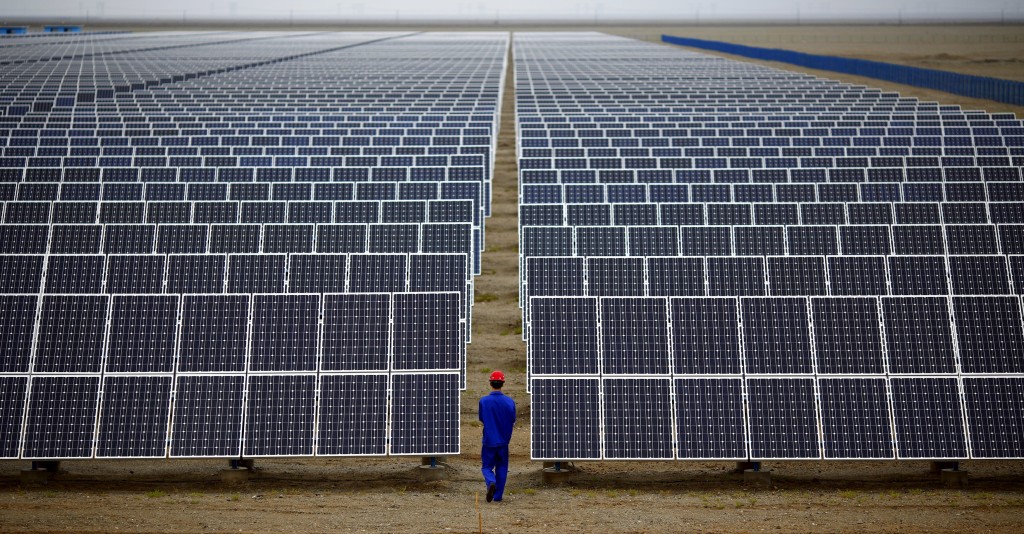
The power industry offers a long-term structural opportunity as domestic equipment manufacturers steadily expand their global market share, a trend further supported by the massive, ongoing build-out of computing infrastructure across China, Lau noted.
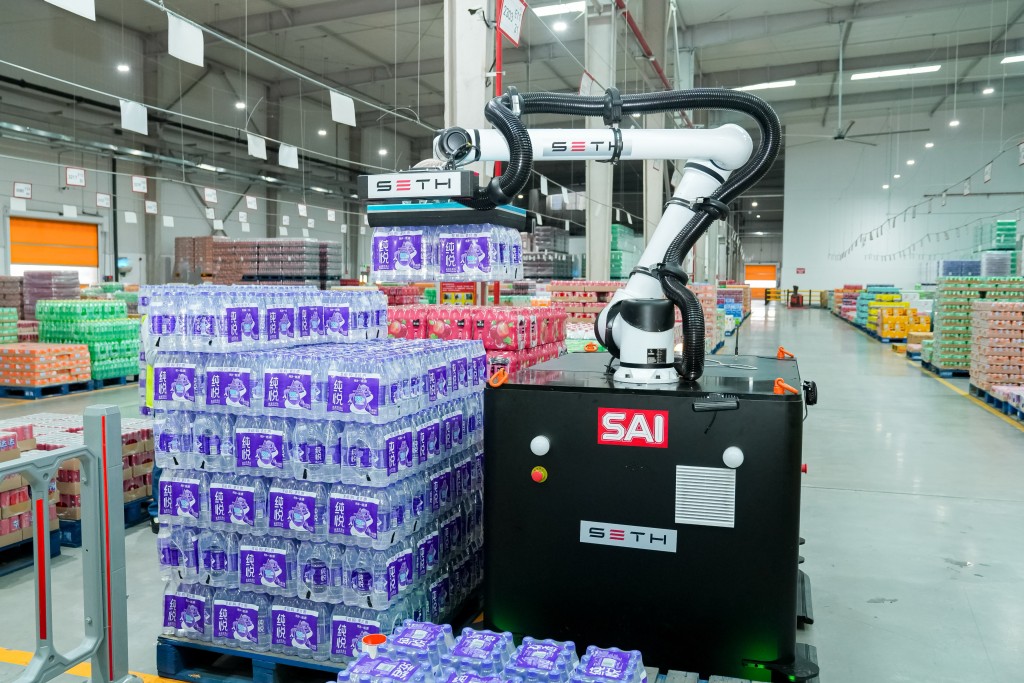
Hardware infrastructure, including printed circuit boards (PCBs), optical modules, and data centers, provides high earnings certainty over the next two to three years, he said, adding that physical AI—spanning industrial intelligence and humanoid robots—benefits from China’s robust manufacturing ecosystem and has strong global competitiveness.
Beyond physical infrastructure, China’s AI software applications hold substantial growth potential, with AI tokens, essentially representing AI computing services, poised to emerge as a major new growth driver for Chinese exports, Lau said.
The cost per token for domestic large language models is significantly lower than that of international rivals, Lau noted, a factor that is accelerating the commercial rollout of AI agents and industry-specific cloud solutions across the country.
This structural cost efficiency could soon redefine the nation's trade landscape, he added.