US consumer prices rose at a brisk clip for a second straight month in April, resulting in the largest annual increase in inflation in nearly three years and further bolstering expectations the Federal Reserve would keep interest rates unchanged for a while.
The Consumer Price Index increased 0.6 percent last month after surging 0.9 percent in March, the Labor Department's Bureau of Labor Statistics said on Tuesday. Economists polled by Reuters had forecast the CPI rising 0.6 percent. Estimates ranged from a 0.4 percent gain to a 0.9 percent increase.
The moderation after posting the largest increase since June 2022 was mostly mechanical. Oil prices shot above US$100(HK$780) a barrel in March following strikes against Iran by the US and Israel, before pulling back to still-high levels after a ceasefire in early April.
In the 12 months through April, the CPI advanced 3.8 percent. That was the biggest year-on-year increase since May 2023 and followed a 3.3 percent rise in March.
The back-to-back strong inflation readings will escalate political risk for President Donald Trump and his Republican party ahead of November's midterm elections. Trump won re-election in 2024 in large part because of his promise to reduce inflation, but Americans have soured on his handling of the economy and many blame him for the pain at the pump.
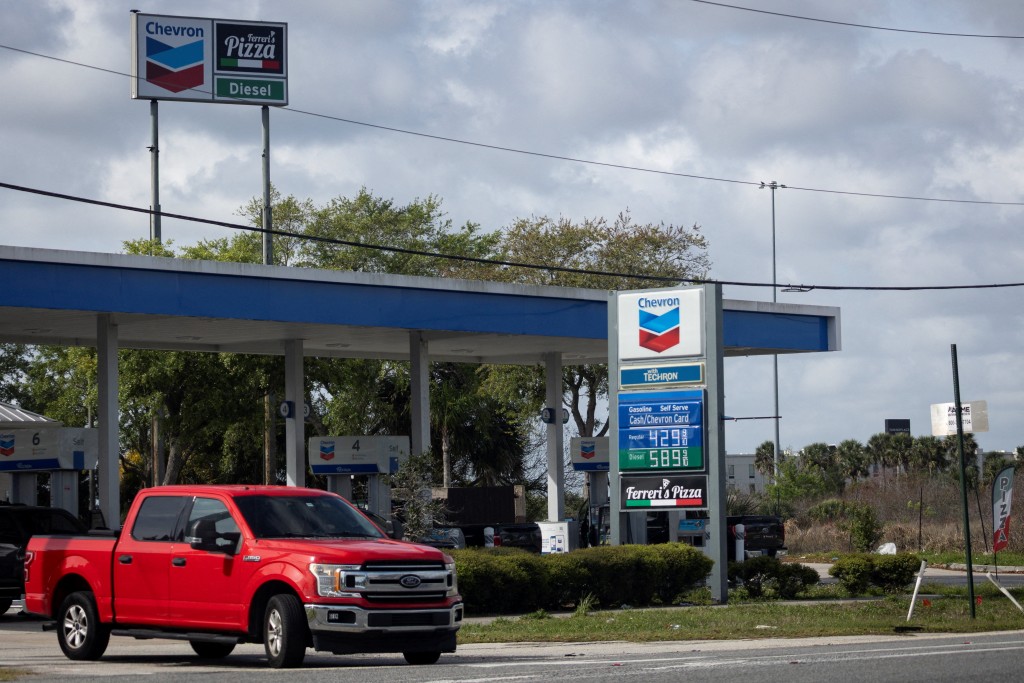
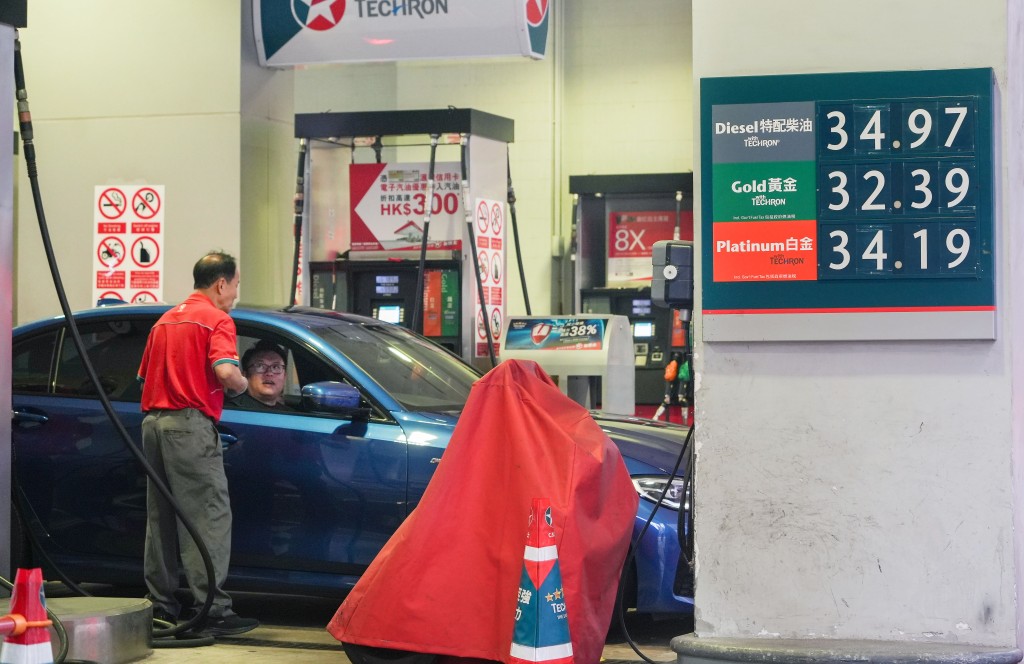
The war has driven oil prices higher, which was immediately reflected in more expensive gasoline, diesel and jet fuel. Economists believe the second-round effects would be felt in the months ahead. The report followed news last week of a bigger-than-anticipated increase in nonfarm payrolls in April.
Financial markets expect the US central bank to keep rates unchanged into 2027. The Fed, which tracks the Personal Consumption Expenditures price indexes for its 2 percent inflation target, last month left its benchmark overnight interest rate in the 3.50 percent-3.75 percent range.
Excluding food and energy, the CPI climbed 0.4 percent last month, partly lifted by a one-time adjustment to rent measures after last year's shutdown of the federal government prevented data collection in October.
The BLS splits its rent survey into six panels. Each panel is sampled every six months on a rotating basis. The BLS used a method called carry-forward imputation for rent and OER to account for the missing data, which had artificially lowered the rent indexes. The so-called core CPI increased 0.2 percent in March.
Most economists believe the pass-through from Trump's sweeping tariffs was probably over. The US Supreme Court struck down the duties in February, lowering the effective tariff rate. Core CPI inflation advanced 2.8 percent year-on-year in April after rising 2.6 percent in March.
Reuters