Read More




Under airstrikes, Iran defiant on eve of Trump's ceasefire deadline
07-04-2026 11:18 HKT

Long queues at border checkpoints as Easter holiday travellers return to HK
07-04-2026 02:45 HKT


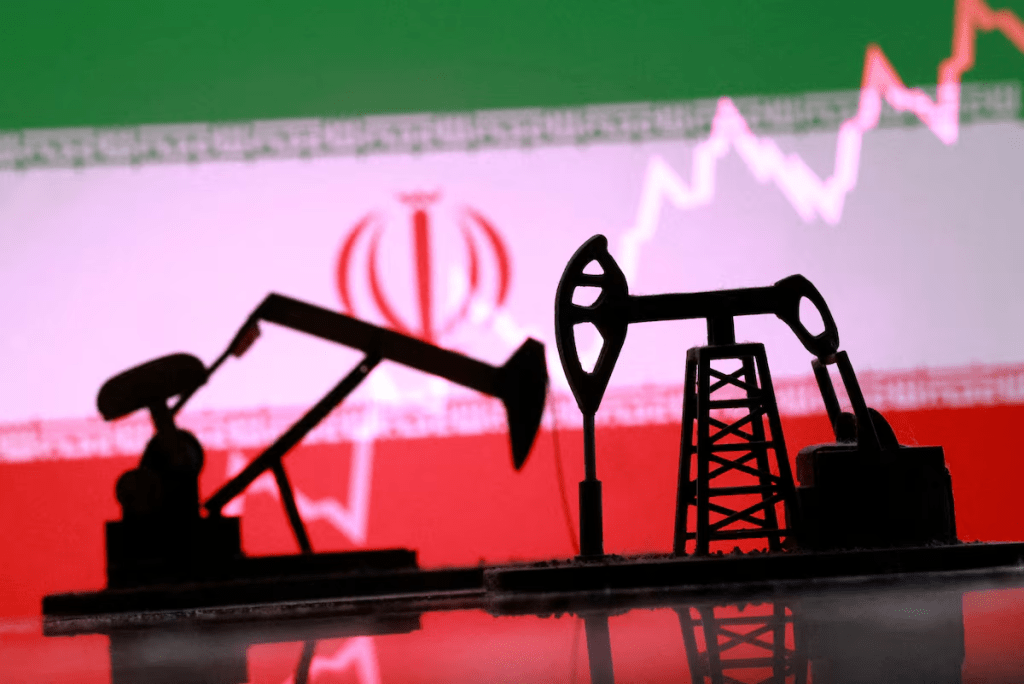
Oil prices dived, stocks surged and the dollar was knocked back on Wednesday as a two-week Middle East ceasefire sparked a relief rally, fuelled by hopes that oil and gas flows through the Strait of Hormuz could resume.
The news capped weeks of financial market volatility and geopolitical upheaval after U.S. and Israeli strikes on Iran late February pushed tensions to the brink, with Tehran effectively choking off the strategic waterway that carries about 20 percent of the world’s oil and gas.
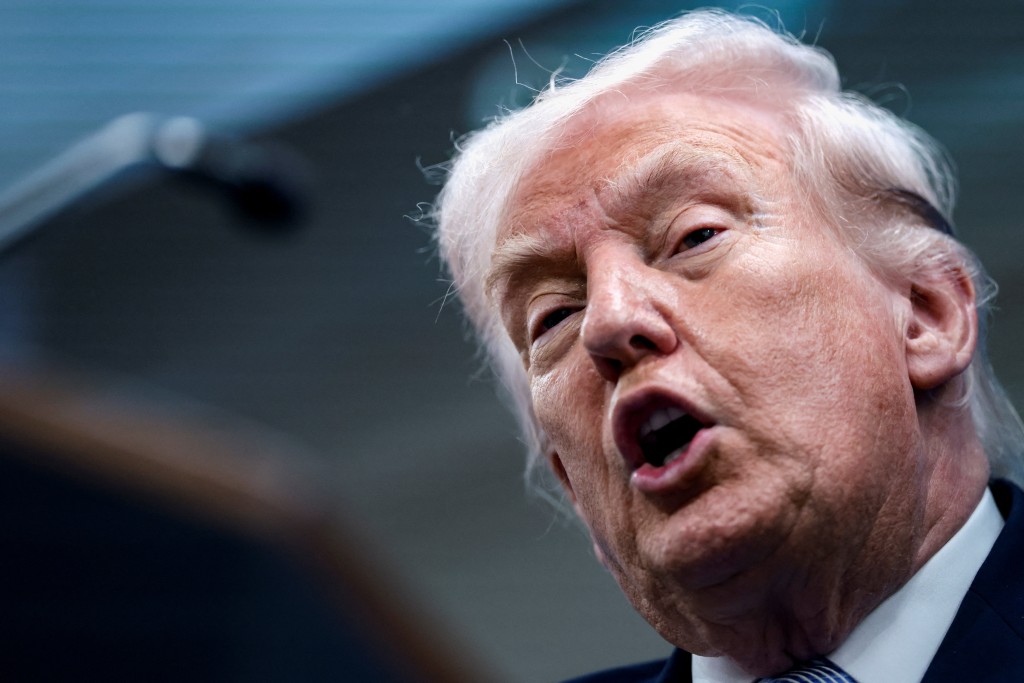
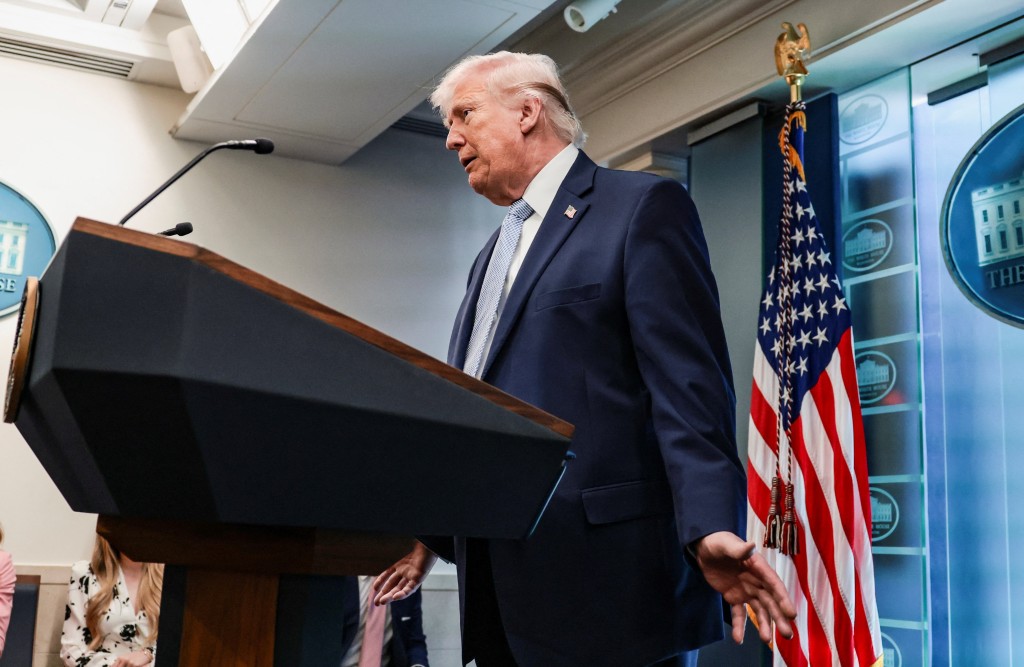
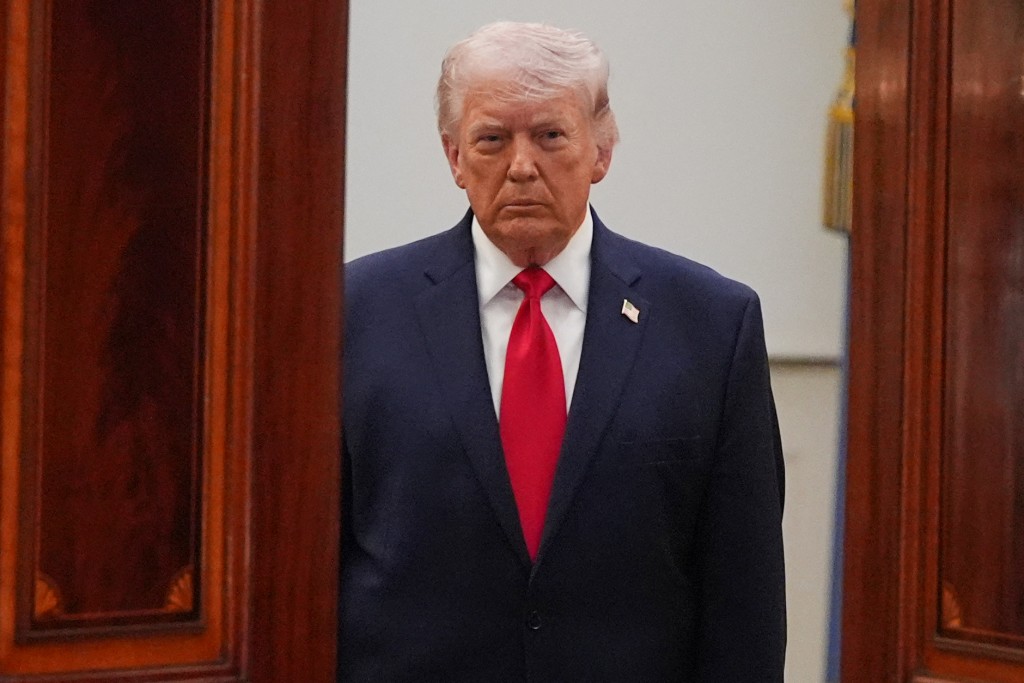
U.S. President Donald Trump on Tuesday agreed to a ceasefire with Iran, less than two hours before his deadline for Tehran to reopen the strait or face devastating attacks on its civilian infrastructure.
Market reaction was swift and dramatic, with U.S. crude futures down around 16 percent to US$94.59 (HK$740.72) a barrel, while Brent futures also slid 15 percent to US$92.35 per barrel.
S&P 500 futures leapt over 2 percent, while European futures jumped over 4 percent. The U.S. dollar fell broadly, having been the haven of choice during the tumult.
In Asia, Japan’s Nikkei surged about 5 percent while South Korea’s Kospi rose 6 percent, triggering a halt in trading. That left the MSCI’s broadest index of Asia-Pacific shares outside Japan up 4 percent.
Beyond the immediate relief, investors remain keen to see whether the ceasefire leads to a broader resolution before placing major bets.
“Does it mean people are going to take new risks? No, it doesn’t,” said Martin Whetton, head of financial markets strategy at Westpac. “It would have to actually be a lasting peace (to change things). People aren’t actually taking risk.”
The six-week conflict has sent oil prices soaring, reignited inflation fears and thrown the global rates outlook into disarray, forcing governments and companies to scramble for cover against a sudden energy shock.
Trump’s social media announcement marked an abrupt reversal from hours earlier, when he issued an extraordinary warning that “a whole civilization will die tonight” unless his demands were met.
Charu Chanana, chief investment strategist at Saxo, said the pivotal test is whether negotiations keep progressing over the next two weeks — and whether insurers and tanker operators regain enough confidence for traffic through Hormuz to run normally again.
“That will determine whether this remains just a relief rally or starts to look more like a durable de-escalation.”
The yield on the benchmark U.S. 10-year Treasury note fell 7.9 basis points to 4.261 percent, its lowest since mid-March. The yield on U.S. 2-year Treasury note sank 10 bps to 3.727 percent.
Gold prices rose over 2 percent to US$4,812 per ounce.
In currencies, the risk-sensitive Australian dollar rose 1.3 percent to above US$0.7070 and the euro gained 0.76 percent to US$1.1683. That left the dollar index at 99.047, hovering near a one month low.
Some analysts remain sceptical that the ceasefire will translate into lasting peace, warning of likely twists and turns ahead.
Carol Kong, a currency strategist at Commonwealth Bank of Australia, said the conflict’s root causes remain unresolved, keeping the risk of re-escalation firmly on the table.
“We maintain our view that the war will run into June. The implication is dollar losses may prove short-lived.”
Reuters