Read More





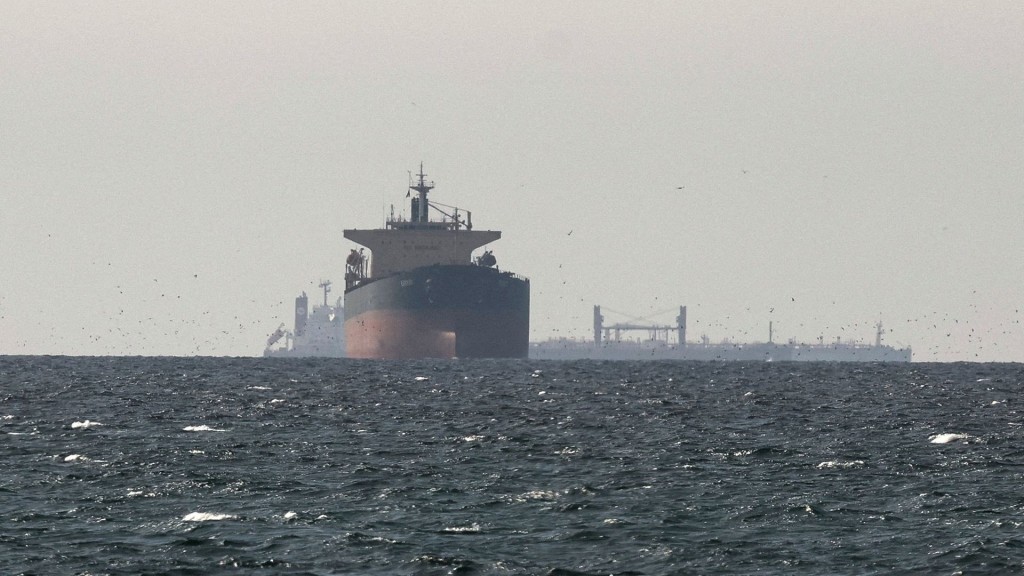
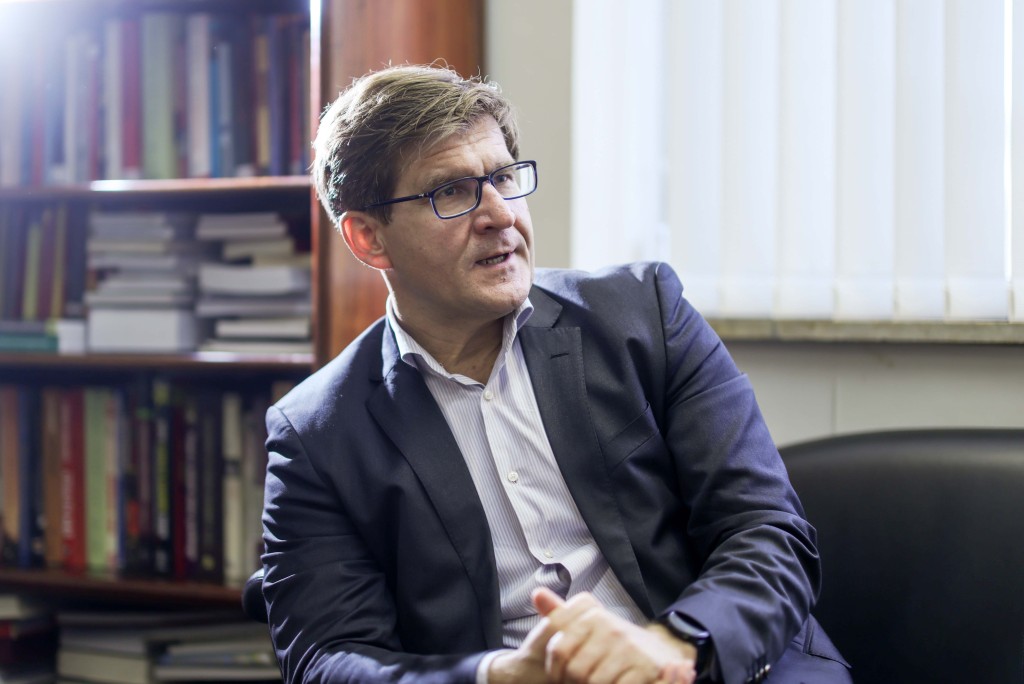
Rising tensions from the US-Israeli war with Iran are instilling immense uncertainties in the global economy, but Marcin Piatkowski, an international economist from Poland, said there is no need to fear stagflation.
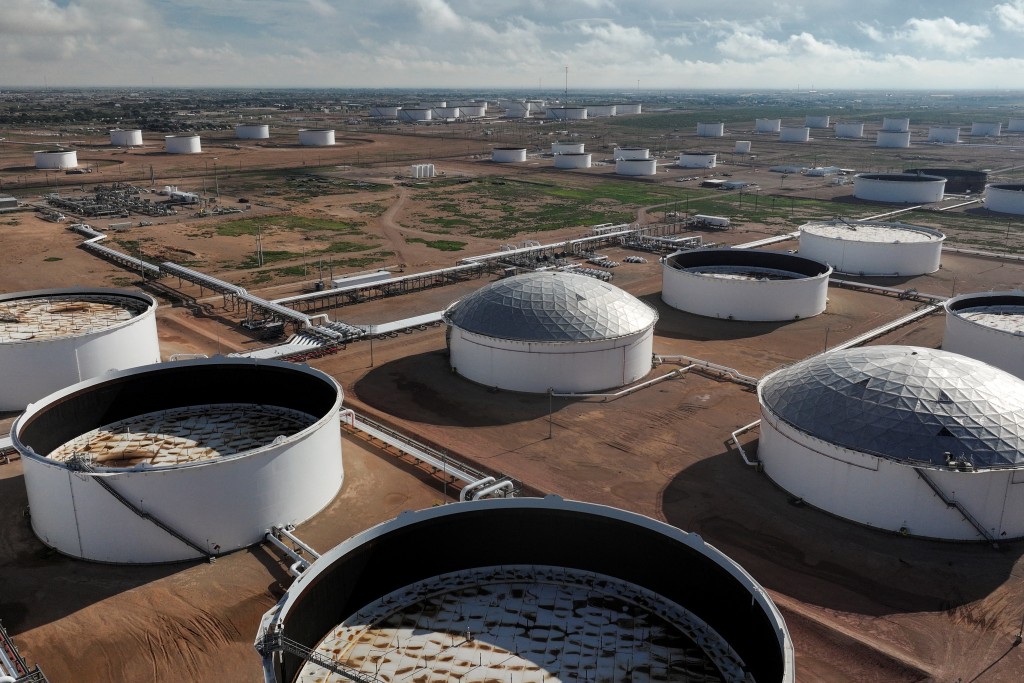
Piatkowski, an economics professor at Kozminski University in Warsaw, Poland, said in an exclusive interview with The Standard that, unlike the 1970s oil shock, where many economies experienced stagflation, the current economic structure is much strengthened, being two to three times less oil-intensive.
“Stagflation, I think, will be a very pessimistic scenario,” the Polish economist said.
Economic structure has evolved over the past 40 to 50 years, Piatkowski noted, with an increasing share of services that are less energy-dependent.
If the conflict endures longer than expected and oil prices remain above US$100 (HK$780) per barrel for an extended period, Piatkowski said central banks around the globe will face challenges in controlling a potential surge in prices, but stressed that they have a much stronger reputation than in the 1970s.
The conflict underscores the need for nations to invest in non-fossil fuels, he said, urging countries to speed up green investments.
“I think there will be some long-term lessons that countries will take out of the conflict, one is that it is in countries’ interest to reduce their vulnerability to energy prices,” Piatkowski said.
The economist urged countries worldwide to speed up green investments, saying companies investing in green energy technologies will emerge as relative winners of the crisis, as nations will invest more in alternative energy sources such as nuclear, wind, solar, and biomass.
Piatkowski also noted that this year’s global GDP growth will be slower, with an expected growth of 3 percent.
As the war has been affecting global trade, Piatkowski said that the US dollar is still predominant in the global economy, as the share of US dollars in the global foreign exchange reserves in central banks is around 57 percent, according to the International Monetary Fund, though the share has been declining slowly.
Having taught at Peking University, Piatkowski also noted that China’s economy is projected to grow fast, even though China set its GDP growth target for this year at 4.5 percent to 5 percent, growing slightly slower than in the past, its growth rate will be twice as fast as the growth rate for the US and almost three times as fast as Western Europe.
In the meantime, Piatkowski said the global market is in a “wait and see” mode to determine the most optimal strategy to calm down surging oil prices, inflation and other economic shocks.
Artificial intelligence is poised to become a major catalyst for economic growth and productivity, and is unlikely to replace humans for now, said Piatkowski.
He said AI is but another emanation of technological progress, as it has mostly brought positive impacts so far, such as in the United States, where investments in AI infrastructure contributed to half of its GDP last year.
Piatkowski stressed that labor market turnover is “something most natural,” as this is how labor is reallocated from industries that no longer create jobs, and that AI and other technologies will continue to push for this reallocation.
While AI may disrupt routine jobs in service industries such as banking, consulting, and software, he expects these to be replaced by new jobs created elsewhere.
Gloria Leung