Read More











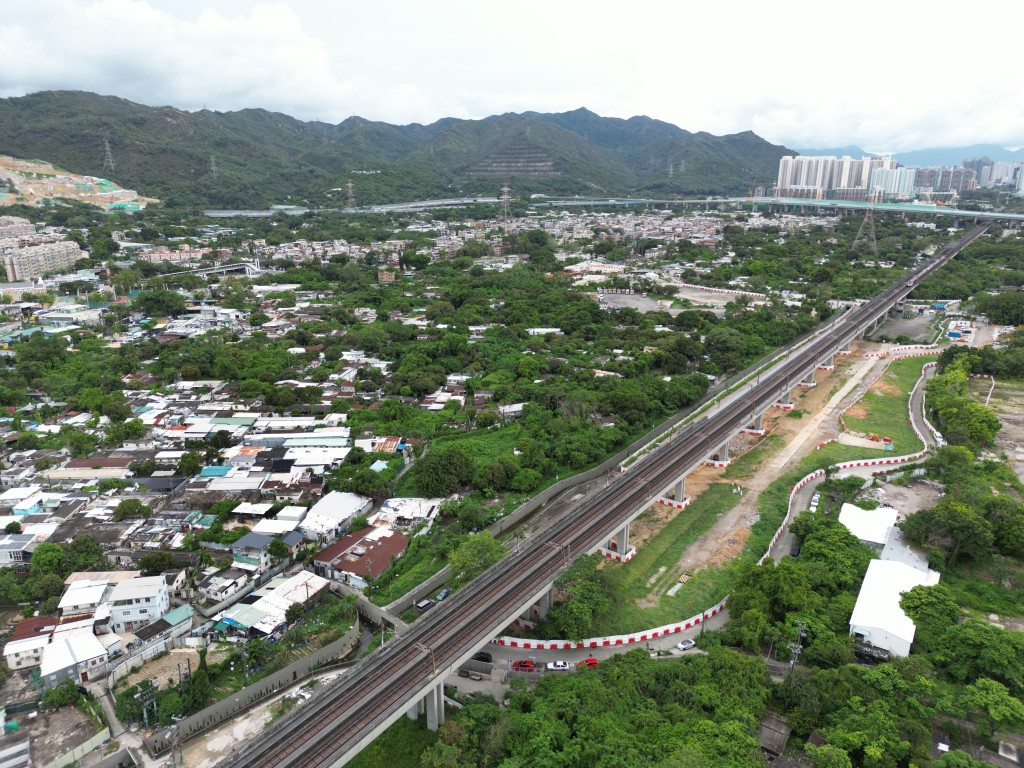
Hong Kong plans to set up a government-owned vehicle to manage an industrial zone in Hung Shui Kiu to accelerate the development of the Northern Metropolis, according to government sources.
The plan to establish a company comes after the government took the current economic challenges into consideration, while being eager to have strategic industries settle in the new hub in the northern part of Hong Kong.
The government-owned entity will enable the administration to have discussions with leading companies as soon as possible, offering higher flexibility.
A wholly government-owned non-statutory zone company will be set up for a 23-hectare industrial plot in Hung Shui Kiu, according to the sources.
The government will finish studying the proposal and announce it this year.
The prioritized industries include logistics, port logistics, advanced manufacturing, and new industrial sectors.
LAND SURRENDER
Besides, the government sources indicated that land eligible for voluntary surrender includes private land the government plans to acquire for development within three years, and land already reclaimed by the government, but where compensation has not been paid due to incomplete land title reviews.
This initiative aims to help developers improve their cash flow.
The government does not rule out expanding the scheme beyond these new development areas.
LAND PREMIUMS
To attract private builders, the government also decided to adopt a “pay for what you build” approach to lower the costs of land premiums, which will allow developers to pay the required premium according to the actual built floor area and use, rather than the maximum floor area based on the maximum plot ratio under the current planning regime.
The administration also mulls permitting developers to pay land premiums in phases based on their development scale.
Government sources disclosed that it is a three-year pilot program applicable across Hong Kong, targeting non-residential land only.
And the threshold of land premiums that the owners should pay initially would be based on at least 60% of the maximum floor area calculated using the highest plot ratio, aiming to alleviate developers’ financial burdens in the early stage.
And developers can decide within 10 years after the completion of the initial development whether to continue the remaining 40 percent.
The 60 percent bar is set to avoid excessively small development scales, according to the sources.
The authorities plan to consult stakeholders about the above measures later this year and finalize arrangements by the first quarter of next year at the latest.