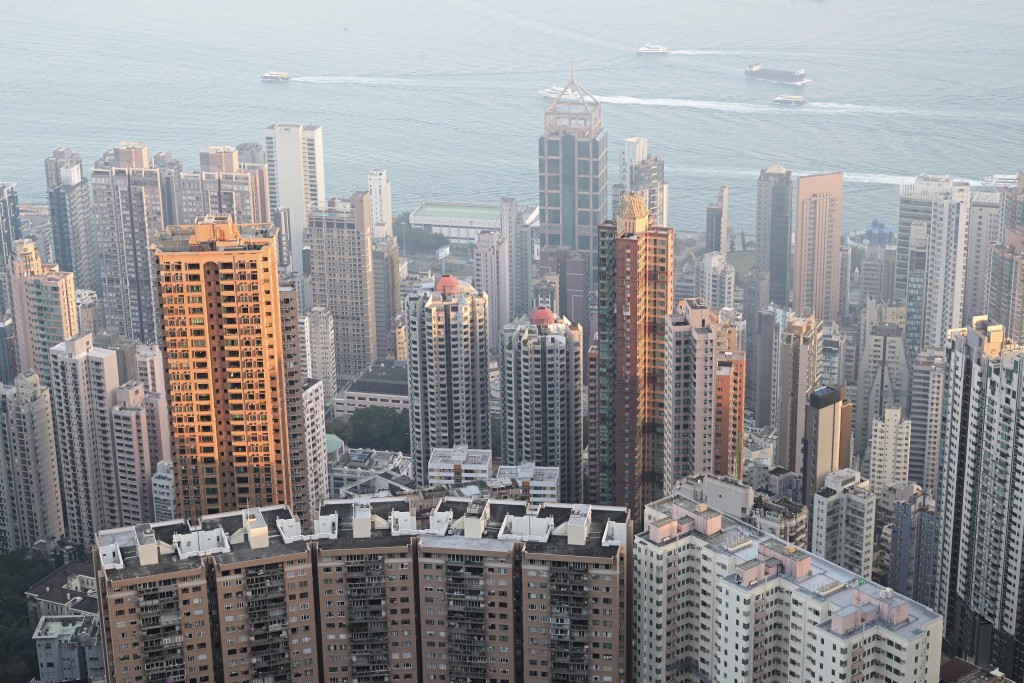
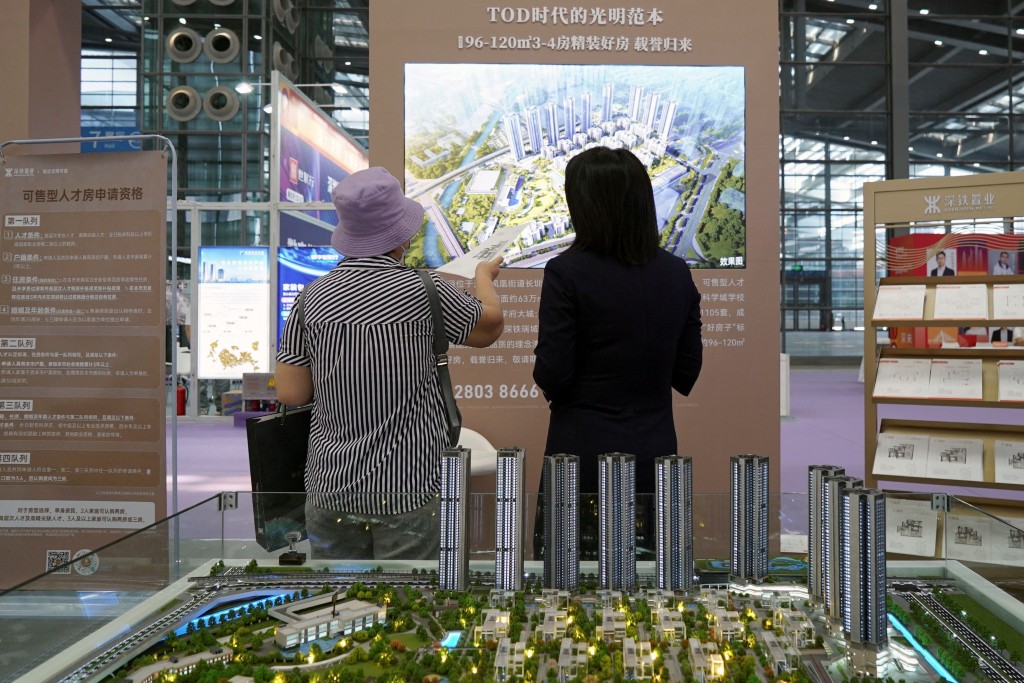
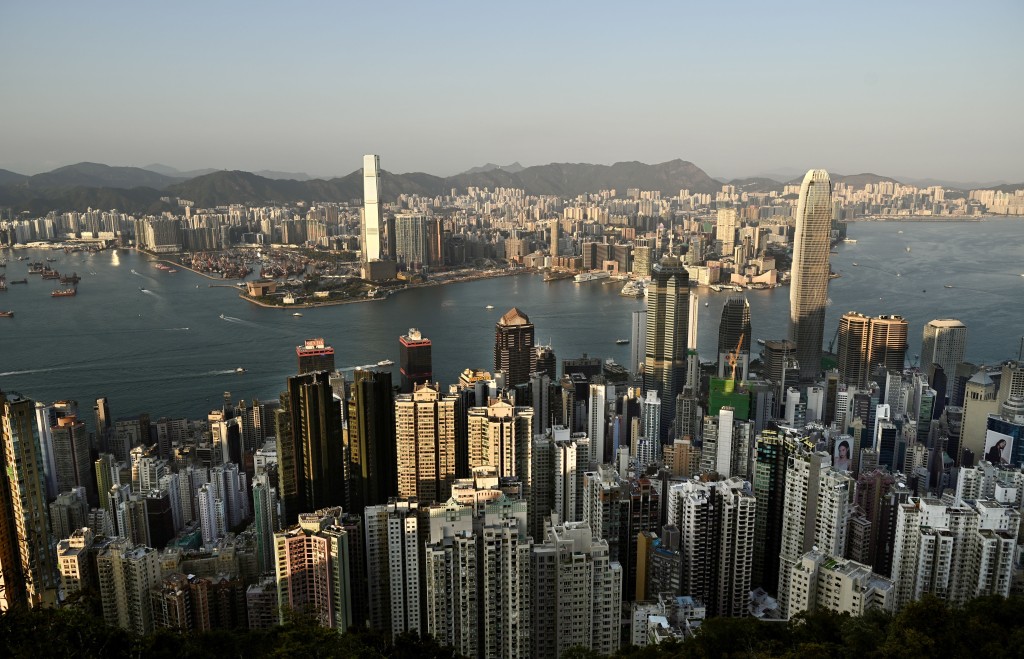
Hong Kong has further eased requirements for its Capital Investment Entrant Scheme, allowing home purchases of above HK$30 million to be counted toward the required investment threshold.
That was lower than the original price requirement of HK$50 million or above. The government has also increased the maximum investment amount to be counted from HK$10 million to HK$15 million for the purchase of non-residential properties, with no transaction price threshold.
However, the amount of investment in residential real estate that can be counted towards the scheme is still capped at HK$10 million.
Government sources said the latest adjustment to the scheme is aimed at responding to views from industry players and lawmakers, stressing that lowering the threshold for residential property transactions will not affect the local housing market.
The focus, they added, is not on property performance but on enhancing flexibility and the scheme’s overall appeal to investors.
Under Secretary for Financial Services and the Treasury Joseph Chan Ho-lim has revealed that the scheme had attracted over 1,900 applications by the end of last month.
If all are approved, the initiative could inject approximately HK$58 billion into the local economy, a testament to its growing popularity among global investors, he said.
Sources said about 800 applications were approved by August, and the top three preferred asset classes were equities, funds, and bonds, while property accounted for only a small share.
The scheme, launched in March 2024, requires applicants to invest at least HK$30 million in Hong Kong to obtain residency. The government later added purchases of residential properties worth HK$50 million or more as the eligible investment amount toward the scheme, subject to a cap of HK$10 million.
The adjustment is expected to boost demand for luxury apartments and houses, but not to a significant increase in overall transaction volume, said CBRE Hong Kong head of research Marcos Chan.
Homes priced at over HK$30 million accounted for 21.7 percent of the total transaction value last year but only 2.8 percent of the total transaction number, CBRE said.
On the change to non-residential properties, Chan said the relaxation alone will not result in a significant rise in demand and that purchase decisions will still depend on individual needs and the market fundamentals of the commercial property sector.