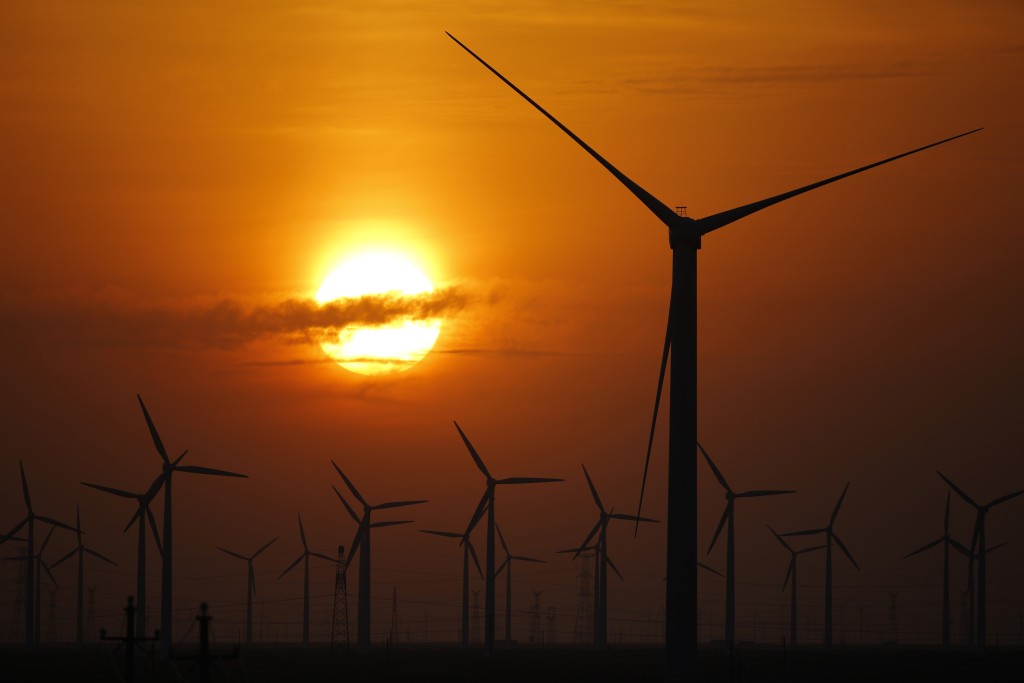
Hong Kong enterprises should shift focus to adopt environmental, social, and governance-related measures and technologies, as the green transition is inevitable and can bring opportunities, said officials and scholars at a forum.
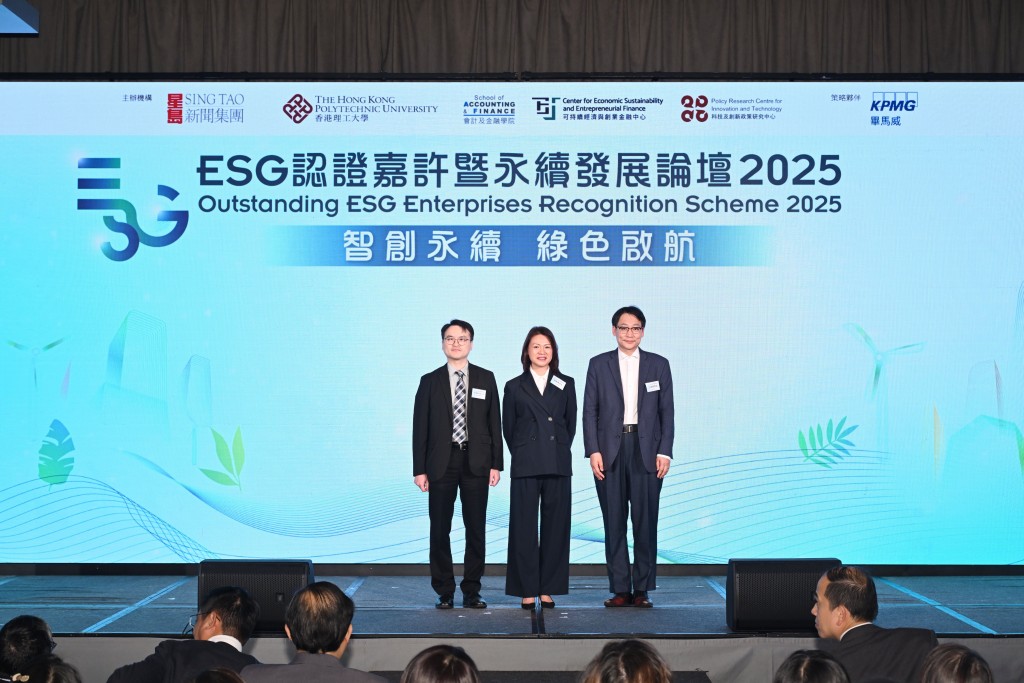
Organized by Sing Tao News Corp (1105) and the Hong Kong Polytechnic University, the Outstanding ESG Enterprises Recognition Scheme 2025 marked its third edition this year, with the largest number of participants.
Sing Tao deputy chief executive Karrie Lam noticed that in recent years, major enterprises are no longer just paying lip service; they are integrating ESG factors into their investments and decision-making, and proactively releasing reports to enhance transparency.
Lam added that this year, more listed companies, small and medium-sized enterprises, and technology innovation companies have participated, making Sing Tao's scheme one of the largest and most authoritative ESG certification platforms.
Professor Wang Zuankai, associate vice president (research) at PolyU, said in his speech that this year's theme, highlighting smart technologies leading to a green future, aligns with the initiative in the 2025 Policy Address to accelerate the implementation of green technology.
Wang also noted that Hong Kong Exchanges and Clearing's (0388) new climate disclosure standards – slated for implementation as early as 2025 – mean that companies will require more precise data collection, more professional analytical capabilities, and more forward-looking strategies.
Arthur Lee Hok-yin, the Commissioner for Climate Change of the Environment and Ecology Bureau, pointed out that Hong Kong can assist Belt and Road Initiative countries and other nations in cultivating green talent, advancing the green transition, helping mainland green enterprises expand their markets, develop new quality productive forces, and create win-win scenarios for both the economy and the environment.
Against the backdrop of increasingly standardized and normalized global ESG information disclosure, Wu Qiang, associate head for research at the School of Accounting and Finance at PolyU, expressed hope that enterprises will proactively align with mainstream international ESG disclosure standards to further enhance the professionalism and reference value of their reports.
At a panel discussion, Elsa Pau, founder and CEO of BlueOnion, pointed out that the volume of climate data is extremely vast and must rely on machine learning and artificial intelligence for effective processing.
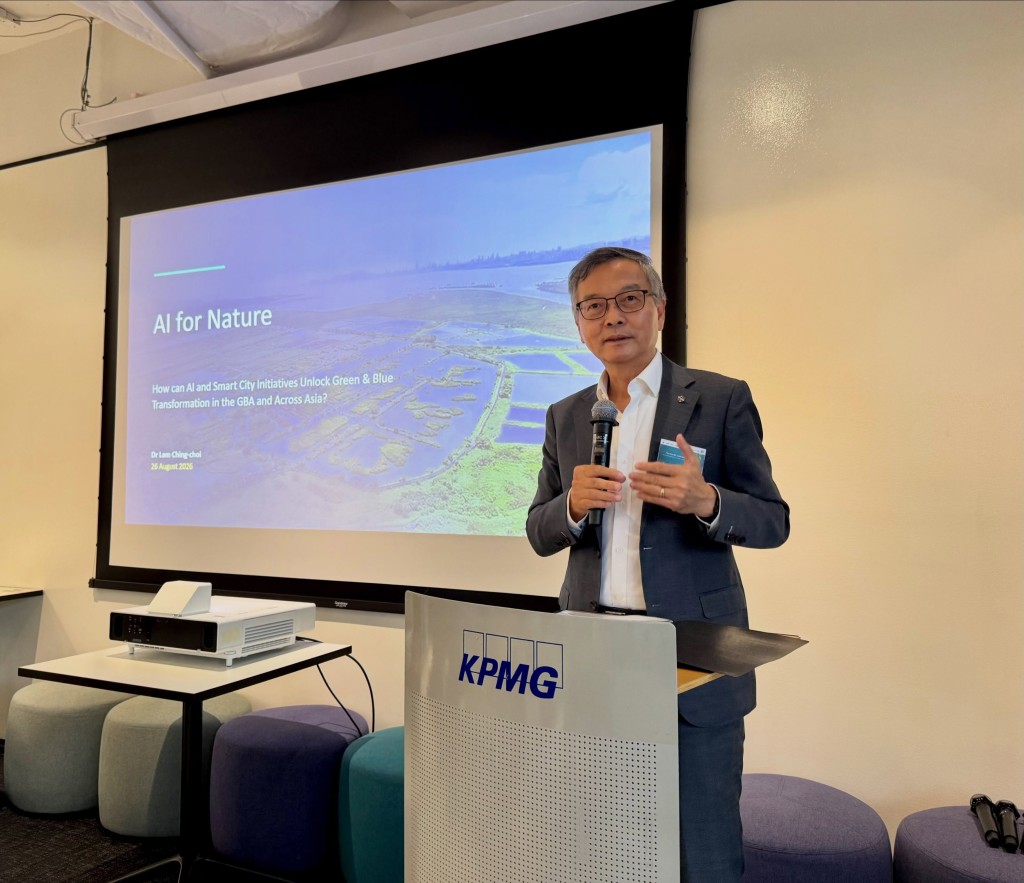
Wilson Pang, head of advisory in the southern region of KPMG China, believes that listed companies and large enterprises possess more experience, resources, and capabilities in ESG and they should play a leading role and drive participation among SMEs within the industrial chain.
Arthur Lam, co-founder and CEO of Negawatt, proposed a new interpretation of ESG, advocating for the "tokenization" of individual actions. By certifying personal integrity, ethical consumers can quickly identify ethical enterprises, forming a virtuous cycle, he said.
In addition, this year’s scheme introduces the “ESG SME Pioneer Award” to recognize small- and medium-sized enterprises dedicated to contributing to sustainable development.
Numerous companies received awards, including the Hong Kong Airport Authority, Alibaba Group (9988), Bank of China (Hong Kong) (2388), Café de Coral Group (0341), Chow Sang Sang Jewellery (0116), and Chow Tai Fook Life Insurance, among others.