Hong Kong, like many developed economies, is grappling with an aging population and a shrinking workforce. To address labor shortages, the government has introduced labor importation schemes. However, a more holistic approach – one that integrates macroeconomic planning, education reform, technological advancements and professionalization – is needed for long-term sustainability.
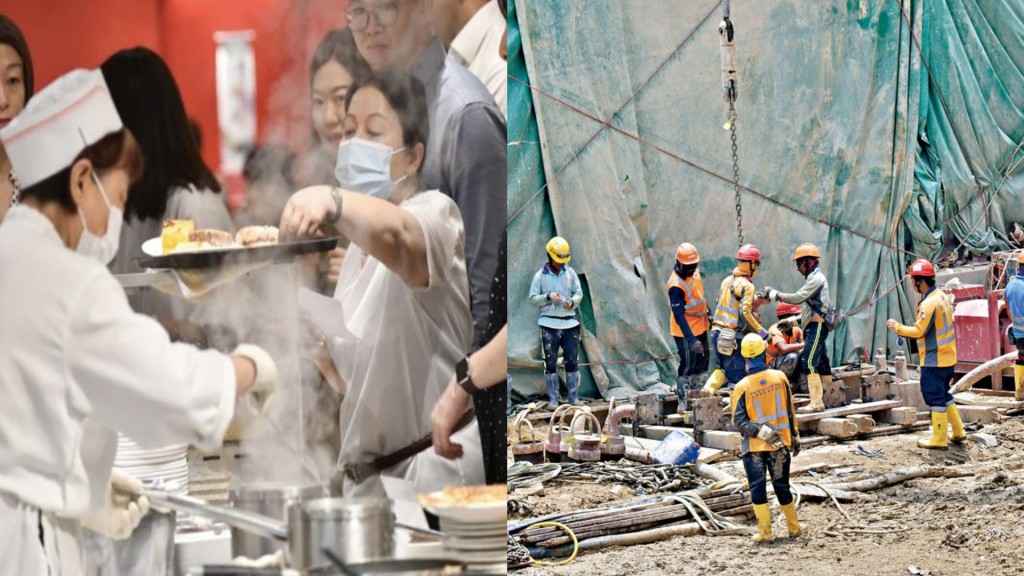
In 2023, Hong Kong launched its first labor importation schemes, lagging behind other economies like Singapore. These programs include the Labour Importation Scheme for the Construction and Transport Sectors, the Special Scheme to Import Care Workers for Residential Care Homes, and the Enhanced Supplementary Labour Scheme, which covers 26 low-skilled job categories such as waiters, sales representatives, clerical workers, and delivery personnel.
While these schemes aim to fill immediate gaps, they come with challenges. Employers must justify the need for imported workers, with government agencies reviewing applications, case by case, to ensure priority is given to local labor. This process is both time-consuming and costly, particularly as complaints arise about employers exploiting legal loopholes to hire cheaper foreign labor.
Labor market’s cyclical nature
Hong Kong’s labor market is closely tied to its economic cycles. During periods of growth in the property market, retail, and tourism sectors, demand for labor spikes. Conversely, when the economy slows, as it has recently, labor importation becomes a contentious issue, with public backlash against the influx of foreign workers.
This cyclical nature underscores the importance of addressing the structural inefficiencies in Hong Kong’s labor market. For instance, many roles covered by the labor importation schemes, such as sales representatives and waiters, could be professionalized. Offering better career paths and skill development for these roles could attract more local talent and reduce reliance on imported labor.
While Vocational Training Council programs aim to equip workers with relevant skills, questions remain about their effectiveness. Are these training programs aligned with market needs? Are they addressing the growing skills mismatch? A comprehensive review is necessary to ensure training initiatives meet the demands of Hong Kong’s evolving economy.
Education reform and skills mismatch
Hong Kong’s education system faces its own challenges. While the number of university graduates has increased, many struggle to secure well-paying jobs. For example, fresh graduates entering the media industry typically earn HK$16,000 to HK$18,000 a month – comparable to a waiter’s pay.
The lack of professionalization in industries such as media further exacerbates this issue. Without clear career progression or competitive wages, these sectors fail to attract or retain talent. At the same time, universities in Hong Kong often prioritize academic research and journal publications to boost global rankings. However, much of this research relies on outdated data and fails to address the needs of fast-changing industries.
Some taught programs, which are designed to equip students with industry-specific skills, are often overlooked in these rankings. As a result, universities may underinvest in practical, career-oriented education. This misalignment between education and the job market extends beyond the media industry, affecting multiple sectors across Hong Kong.
Technology and professionalization
Another avenue for addressing labor shortages is automation. Some roles, such as clerical work or delivery services, can be replaced by technology to increase efficiency and reduce reliance on human labor. At the same time, other roles, such as sales representatives and waiters, should be professionalized to improve their status and appeal. By offering better training, career progression, and wages for these roles, Hong Kong can create a sustainable workforce that meets the demands of its economy. Policymakers must also consider demographic solutions, such as incentivizing childbirth and retaining older workers, to address long-term labor shortages.
Sustainable workforce strategy
Hong Kong’s reliance on labor importation schemes may provide short-term relief, but it is not a long-term solution. A holistic approach is essential, one that includes:
- Professionalizing low-status jobs to make them attractive to local workers.
- Reforming education to address skills mismatches and better align with industry needs.
- Investing in automation to replace roles that can be streamlined by technology.
- Demographic strategies to promote population growth and retain older workers.
By addressing these interconnected issues, Hong Kong can build a resilient labor force capable of adapting to economic fluctuations and industry changes.
By adopting a comprehensive and forward-thinking strategy, Hong Kong can create a sustainable labor force that drives future growth and prosperity.