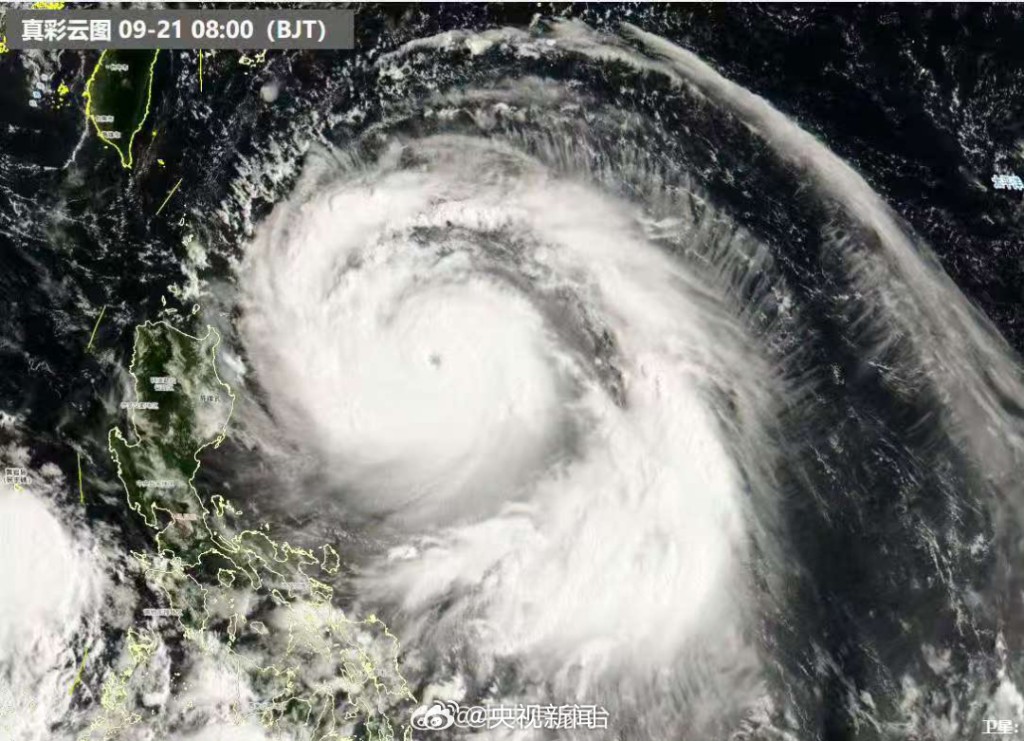
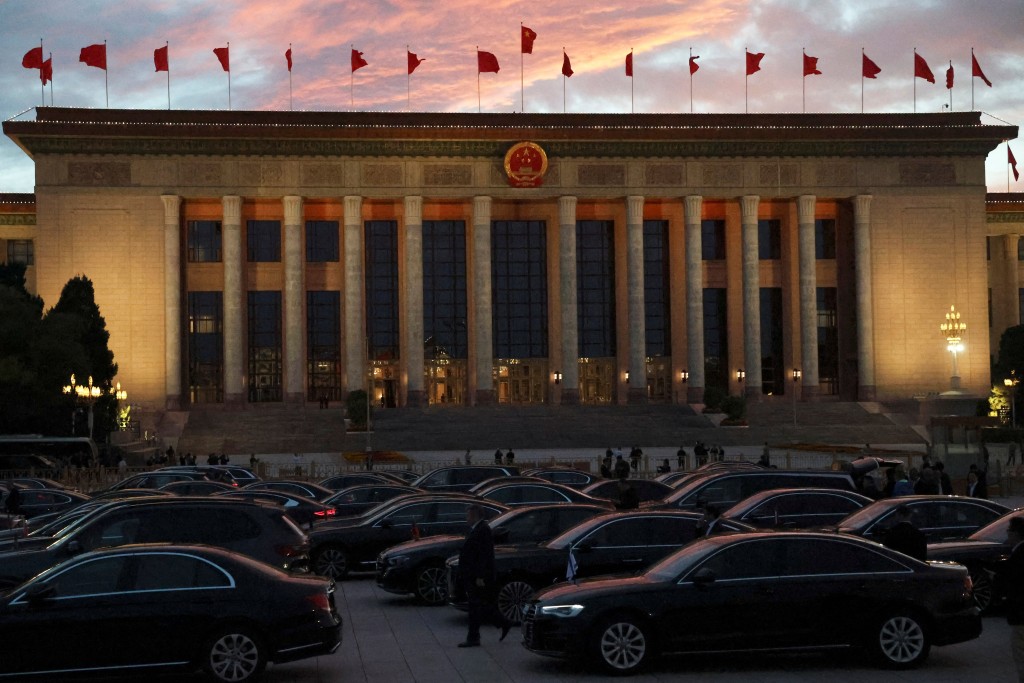
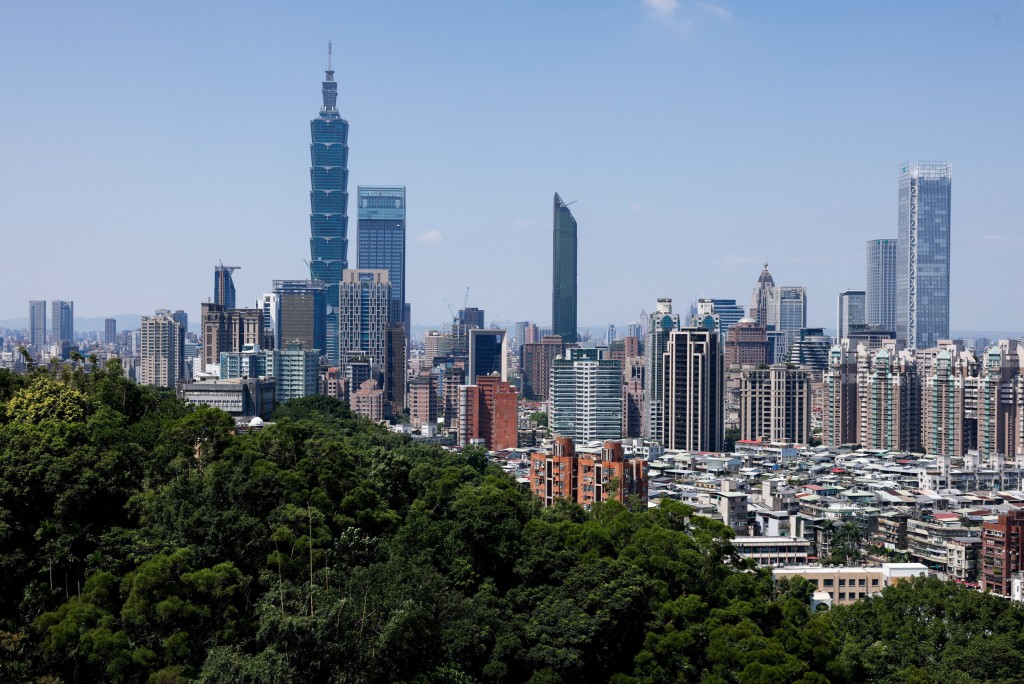
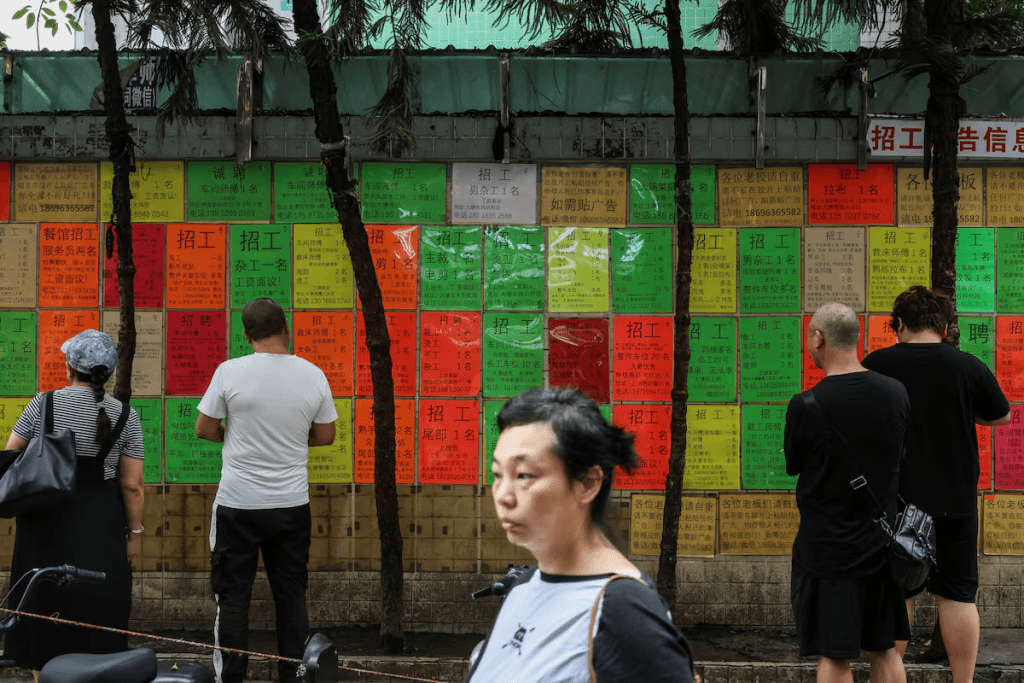
As Super Typhoon Ragasa barrels toward Guangdong province's western coast, authorities across the region are mobilizing for what could be one of the most intense storms in years, comparable in strength to the devastating Typhoons Hato and Mangkhut.
The storm, which intensified to super typhoon status with winds reaching 17 levels near its center, is expected to approach the coast late Tuesday, bringing severe winds, torrential rains, and potential multiple landfalls that could unleash storm surges, localized tornadoes, and flash flooding in coastal and low-lying areas.
Comprehensive shutdowns enacted across cities
In a coordinated response, local governments have imposed sweeping emergency measures to safeguard lives and property.
Dongguan, a bustling manufacturing hub, activated a comprehensive shutdown starting Monday afternoon, halting schools, factories, businesses, public transport, and operations across the city.
From Tuesday afternoon through early Thursday, delivery services like food apps and couriers will pause entirely, while markets, malls, supermarkets, restaurants, entertainment venues, parks, tourist sites, and exhibition centers will close their doors to prevent accidents during peak gusts.
Neighboring Zhuhai has gone further, suspending all classes on Tuesday and Wednesday and initiating similar closures from Tuesday evening, with maritime links to Hong Kong severely disrupted—ferry services from Jiuzhou Port and Zhongshan Port to the city will be grounded from Monday through Wednesday, stranding travelers and halting cross-border trade.
Transportation systems grind to a halt
Rail networks in Guangdong are also grinding to a halt for safety, with high-speed and regular trains scaling back operations from Tuesday and ceasing entirely on Wednesday before a gradual resumption Thursday morning.
These disruptions underscore the typhoon's broad reach, as Ragasa's expansive wind field is forecast to lash the province's seas and land with gusts up to 17 levels through Wednesday, easing only by Friday.
Maritime transport faces similar challenges, with ferry services between Guangdong ports and Hong Kong completely suspended during the storm’s peak, isolating coastal communities and affecting regional commerce.
Shenzhen’s massive evacuation plan
Shenzhen, the tech powerhouse bordering Hong Kong, has launched an ambitious evacuation plan to relocate about 400,000 residents from vulnerable spots like coastal zones, flood-prone basins, and makeshift worker dorms.
Emergency officials are urging people to stockpile at least three days' worth of water, food, medications, and essentials, while reinforcing homes against flying debris and mapping escape routes for those in high-risk landslide areas or dilapidated buildings.
Special attention is being paid to vulnerable groups, including the elderly, children, patients, and pets, with adjustments to healthcare services advised for those with ongoing medical needs.
Authorities emphasize community cooperation to ensure smooth relocations, highlighting the storm's potential for sudden thunderstorms, brief extreme winds, and rare but dangerous twisters in its outer bands.
Meteorological warnings and disaster preparedness
The Guangdong Meteorological Bureau has issued stark warnings for all vessels in the northern South China Sea to seek shelter immediately, stressing robust anchoring for those already docked.
With the typhoon's path still uncertain—possibly making landfall multiple times between Wednesday night and Thursday afternoon—provincial leaders are prioritizing disaster preparedness, from fortifying infrastructure to monitoring real-time weather shifts.
Guangzhou anticipates cloudy skies giving way to violent downpours and winds up to 14 levels in exposed areas from Tuesday night onward, with temperatures hovering around 34 degrees Celsius early in the week before the deluge hits.
(AFP and Staff reporter)