In a story that seems lifted from the pages of a novel, a man from Hubei province turned his fascination with tomb raiding fiction into a real-life crime, stealing 20 invaluable bronze artifacts from an ancient burial site.
From fiction to real action
According to media sources, the main suspect, surnamed Yu, said his obsession with tomb raiding literature drove him to seek real-world experience. Teaming up with an accomplice surnamed Chan, the duo conducted extensive searches to identify a potential tomb location.
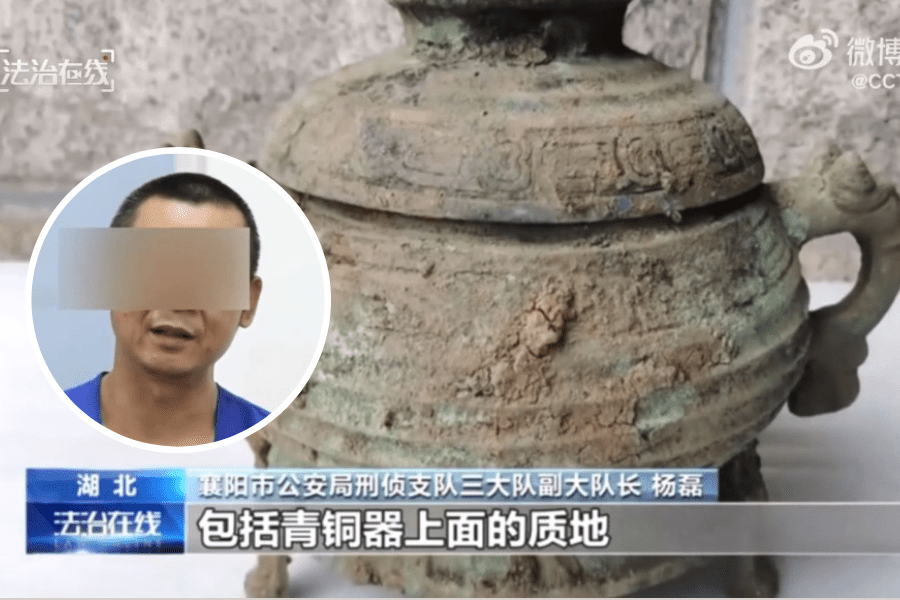
After discovering copper rust on the ground, they reportedly spent four to five hours digging a hole two meters deep. Their efforts paid off when they successfully unearthed 20 artifacts, including nine first-class cultural relics, one second-class relic, and nine third-class relics.
Among the treasures were four gui vessels, believed to have belonged to a noble’s tomb dating back to the Spring and Autumn period.
Police operations and arrests
The pair came to the attention of authorities when they attempted to sell the "freshly unearthed artifacts."
Following verification of the items' authenticity by cultural relic experts, local police arranged a sting operation. The transaction was set to take place at an abandoned warehouse in Zaoyang, where the artifacts were to be sold for 4 million yuan.
The artifacts were seized, and the men were arrested during the transaction.
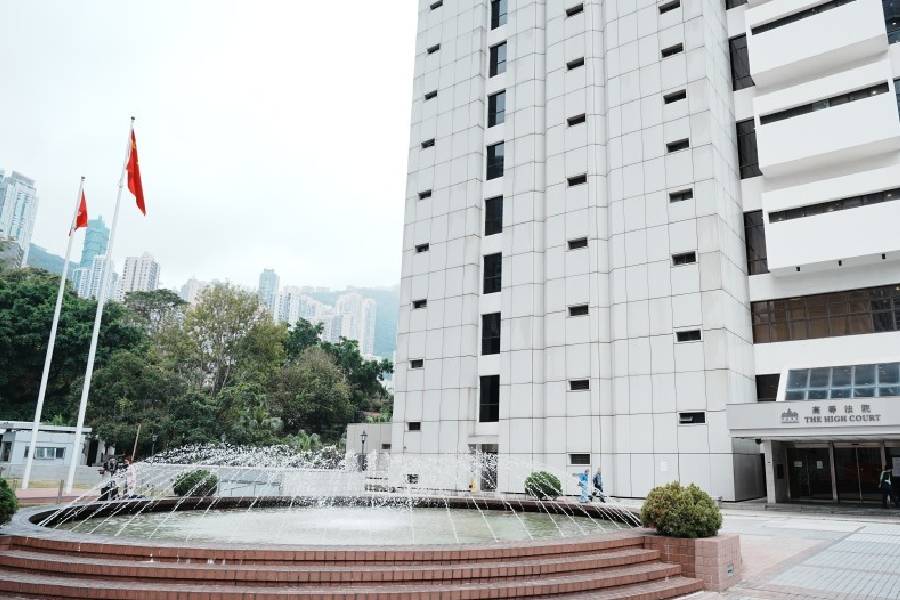
The People's Court of Fancheng District in Xiangyang City, Hubei Province, subsequently sentenced the two men to prison terms ranging from 10 years to 10 years and 3 months for their involvement in the tomb raiding, which occurred last year. They were also ordered to compensate over 70,000 yuan for archaeological rescue efforts.
A middleman involved in the sale, surnamed Li, was sentenced to three years and six months in prison for concealing criminal proceeds and was also issued a fine.
In a further development this July, Yu was formally prosecuted for the illegal excavation of important cultural sites.
The tomb in question is well-known in the region, having been discovered over 20 years ago during highway construction.
In 2014, the National Cultural Heritage Administration approved further excavation of the site by various archaeological institutions.
(Phoebe Poon)