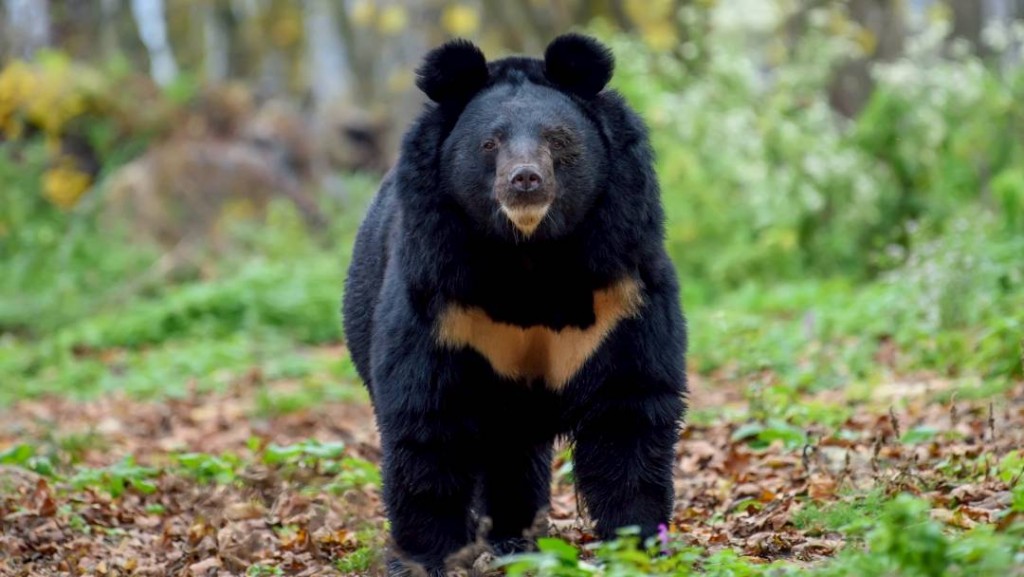
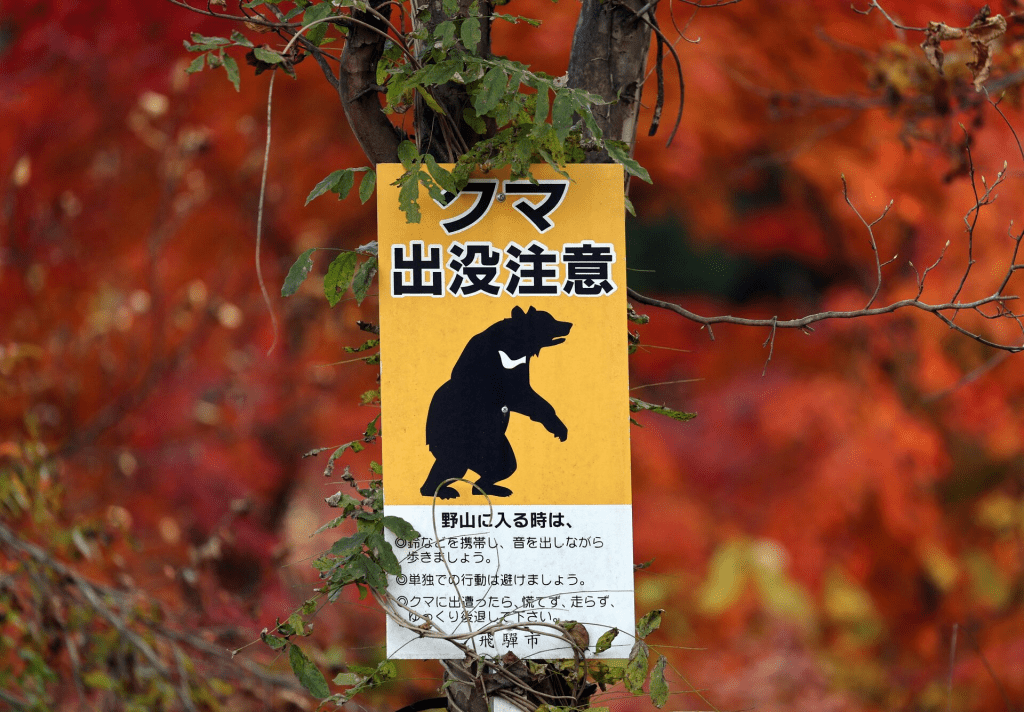
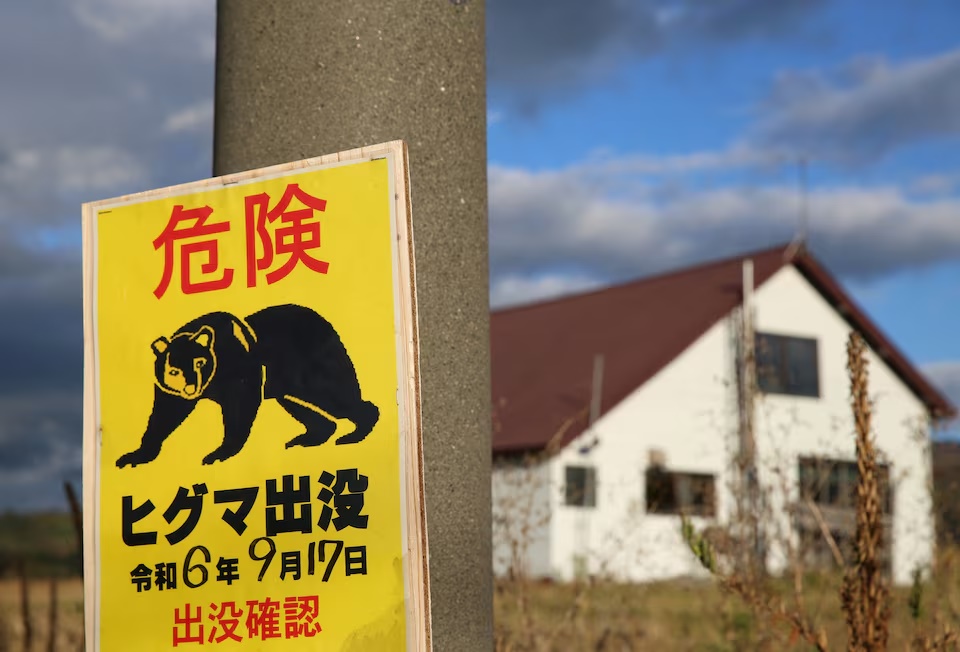
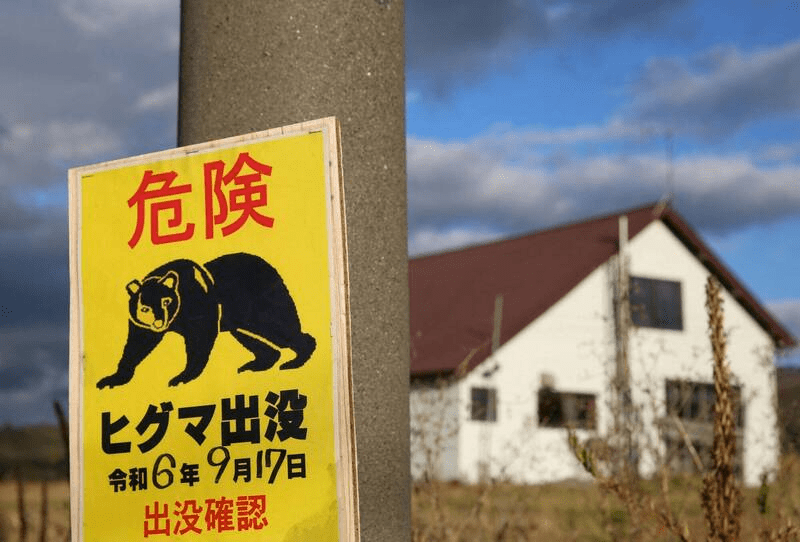
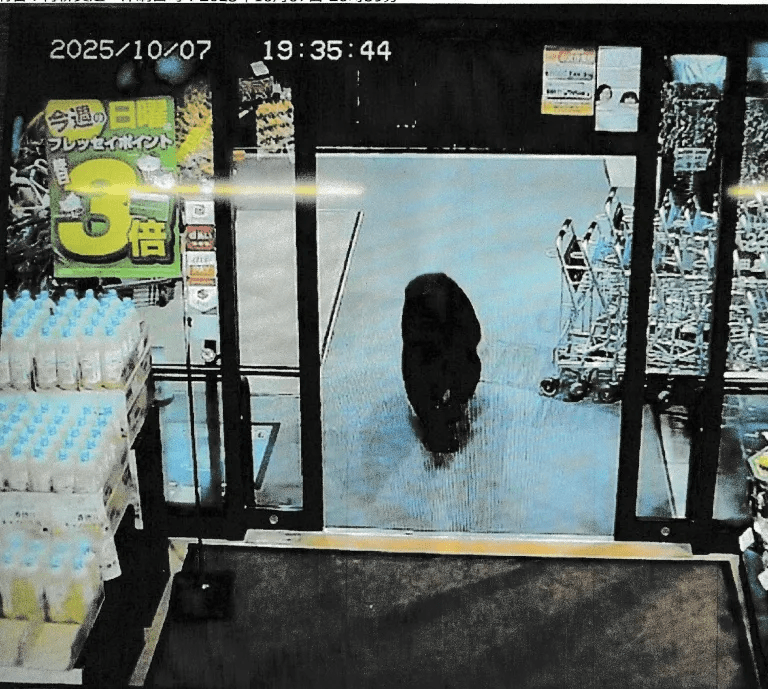
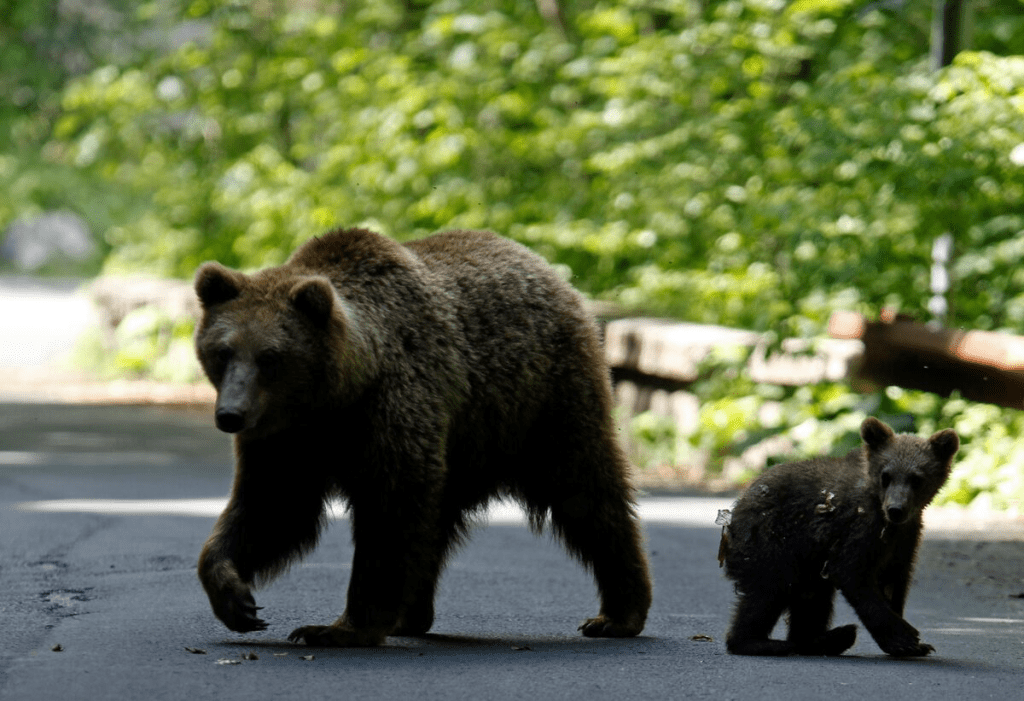
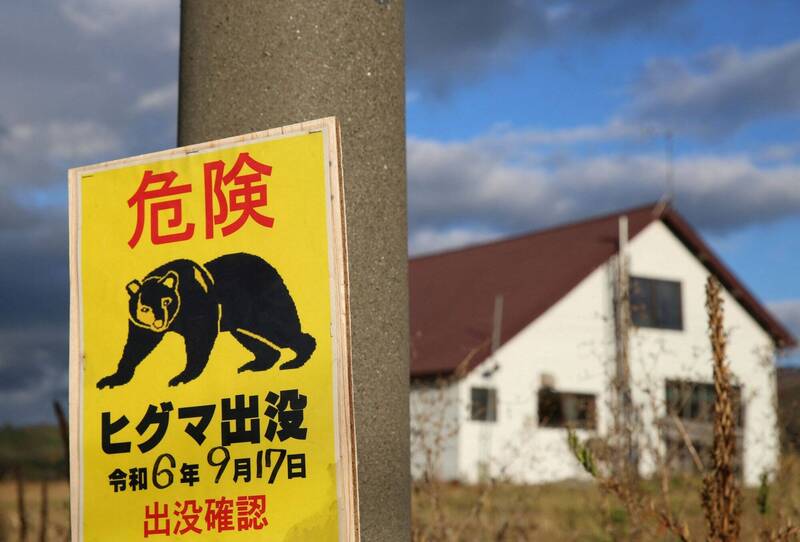
As Japan grapples with its worst bear-attack season in years—with over a hundred people injured or killed—one remote restaurant in Saitama Prefecture has turned the crisis into a culinary attraction, packing tables with curious diners eager to taste bear meat and, some say, help thin the surging population.
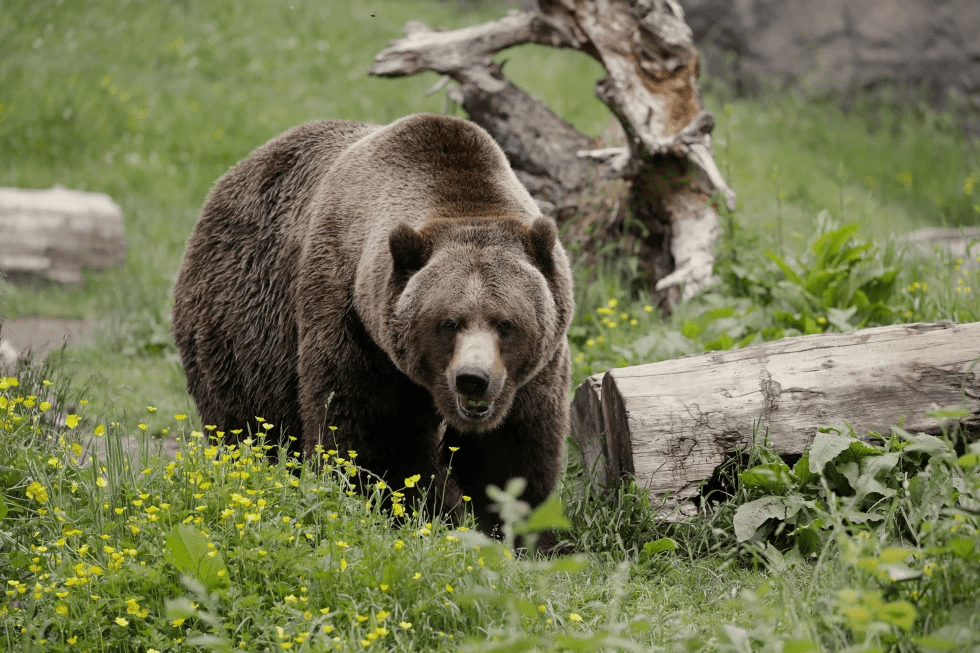
At “Mushroom Village Suzuka Garden” in the mountainous Okuchichibu area, the entrance is guarded by a life-sized brown bear specimen, and every seat is filled.
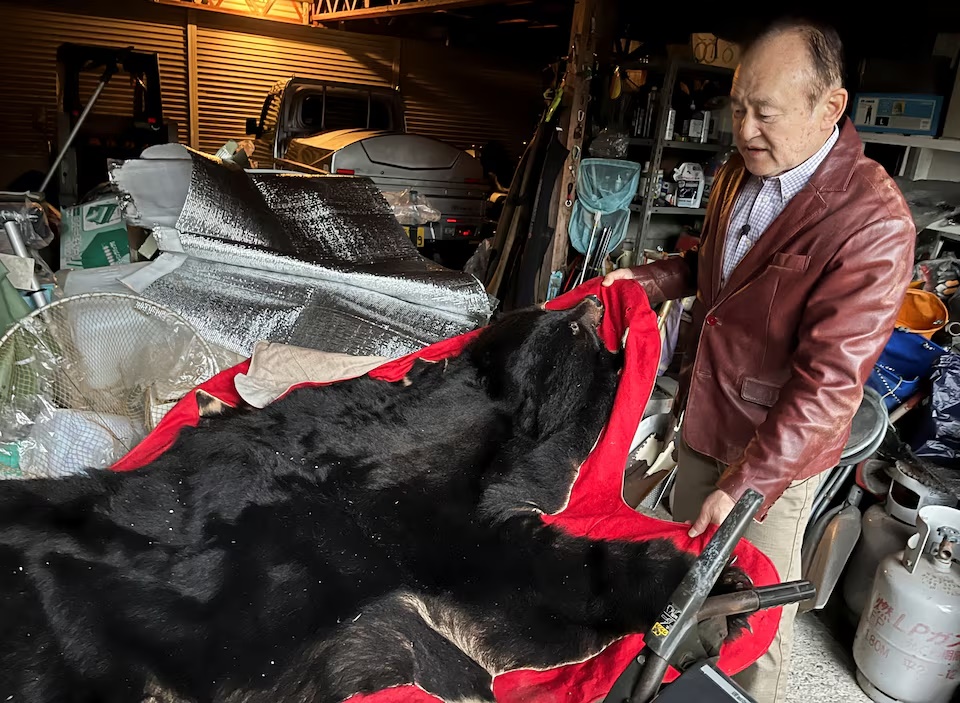
Customers travel hours for dishes made from bear caught just days earlier in traps near the restaurant.
Diners describe the meat as surprisingly free of gaminess, rich in flavor, and pleasantly chewy.
A man who drove three hours from Tokyo called it one of the best meats he had ever eaten, while a 90-year-old regular declared herself a lifelong fan.
The trend has even reached the political stage. Former Prime Minister Shigeru Ishiba made headlines last week when he enthusiastically dug into bear-meat char siu at a public event, urging citizens to eat more as a practical way to bring bear numbers back under control.
Restaurant owners and hunters argue that sustainable consumption of bear and wild boar is essential now that aging rural communities field fewer hunters, allowing wildlife populations to explode and push bears into human settlements.
Yet turning more bears into dinner remains easier said than done: processing the meat to food-safety standards is technically complex and expensive, most captured bears currently end up discarded, and building a reliable commercial supply chain would require years and major investment.
For now, the handful of specialty eateries serving bear are booked solid, offering Japanese diners a rare chance to fight the bear surge one bite at a time.