Read More








Office lottery dispute leads to High Court lawsuit over $33m prize
26-10-2026 17:24 HKT


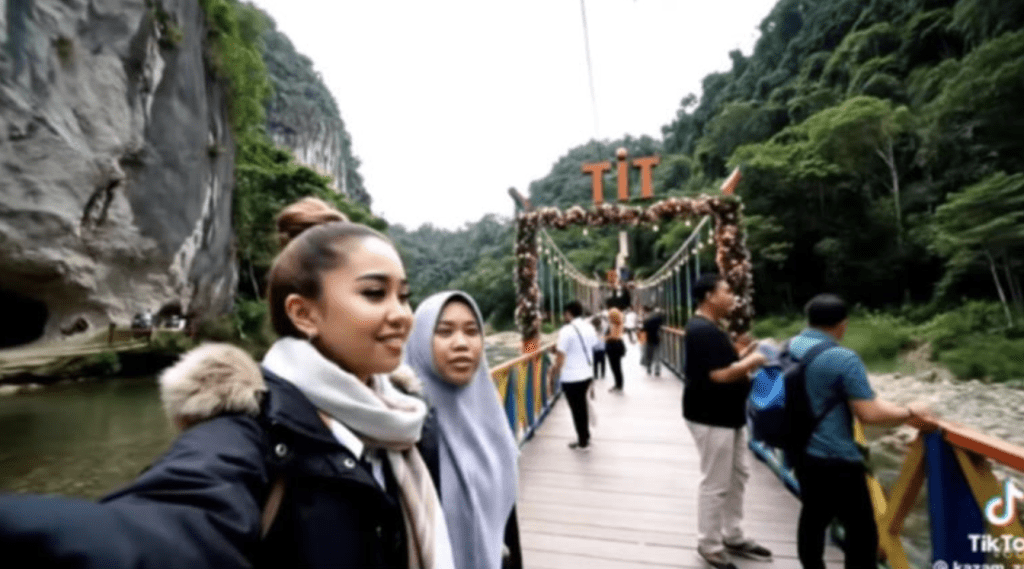
A misleading AI-generated tourism video recently went viral on Malaysian social media, tricking unsuspecting travelers into embarking on a futile journey to a nonexistent cable car attraction. The elaborate hoax has sparked outrage and warnings from authorities about the dangers of deepfake technology.
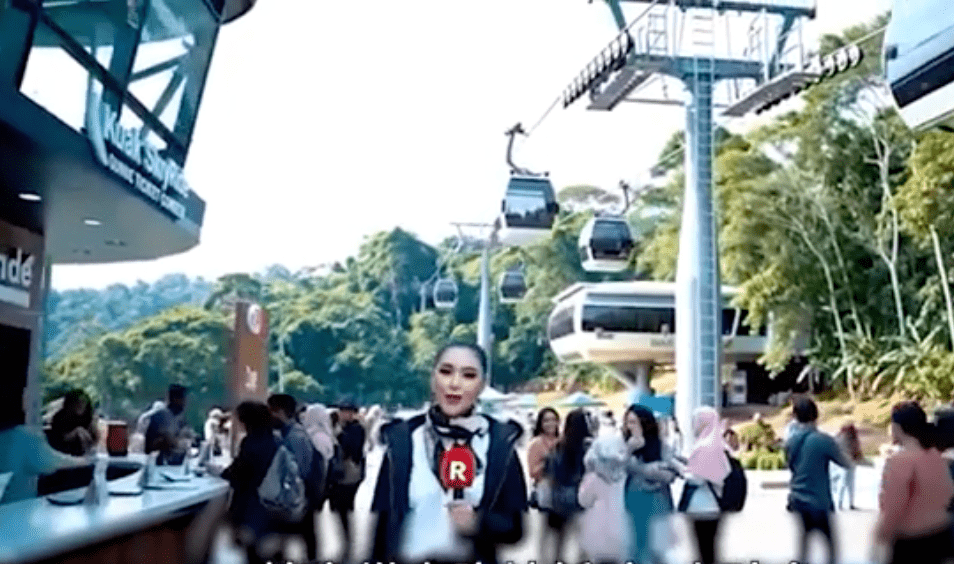


According to The Straits Times, a Malaysian hotel employee posted on Threads about an elderly couple from Kuala Lumpur who had driven 4.5 hours to Perak state after viewing an impressive promotional video.
The clip depicted a scenic cable car journey through dense forests, featuring a flowing stream, deer, and interviews with seemingly happy "tourists." A female reporter from "TV Rakyat" had enthusiastically described the experience, lending credibility to the attraction.
However, upon reaching Kuak Hulu, the couple discovered that the cable car did not actually exist—the entire video, including the reporter and interviewees, had been created using artificial intelligence.
The elderly woman, visibly distressed, questioned the hotel staff, asking why anyone would fabricate such a story, especially since the video had even included a journalist. When she expressed her intention to take legal action against the "reporter," the staff informed her that the woman was an AI-generated figure who did not exist in reality.
The video was so convincingly produced that many were fooled—except for one glaring error. During a scene where a female acrobat performed a flip, her legs and body appeared to merge unnaturally, revealing the AI’s limitations in rendering complex movements.
The couple was not the only one duped. Local media Says reported that another netizen claimed their parents had also fallen for the scam, spending 9,000 Malaysian ringgit (approx. $1,600 USD) on car rentals and travel expenses—only to discover the attraction was pure fiction.
The incident has raised concerns over the misuse of AI in spreading misinformation. Malaysian authorities have since urged the public to exercise caution and verify the authenticity of viral content before making travel plans.
As deepfake technology becomes increasingly sophisticated, this case serves as a stark reminder: not everything you see online is real—even if it looks convincingly perfect.