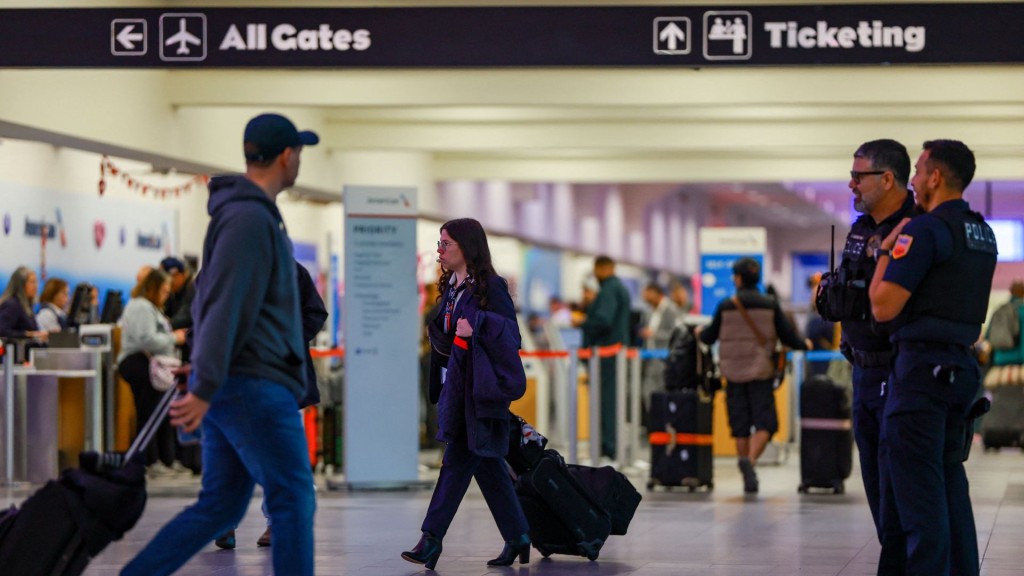
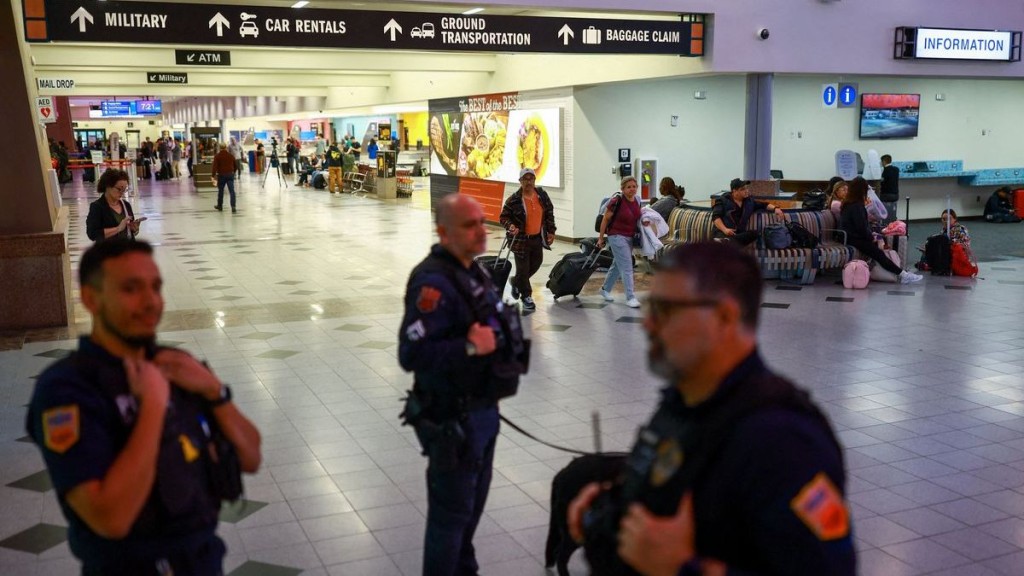
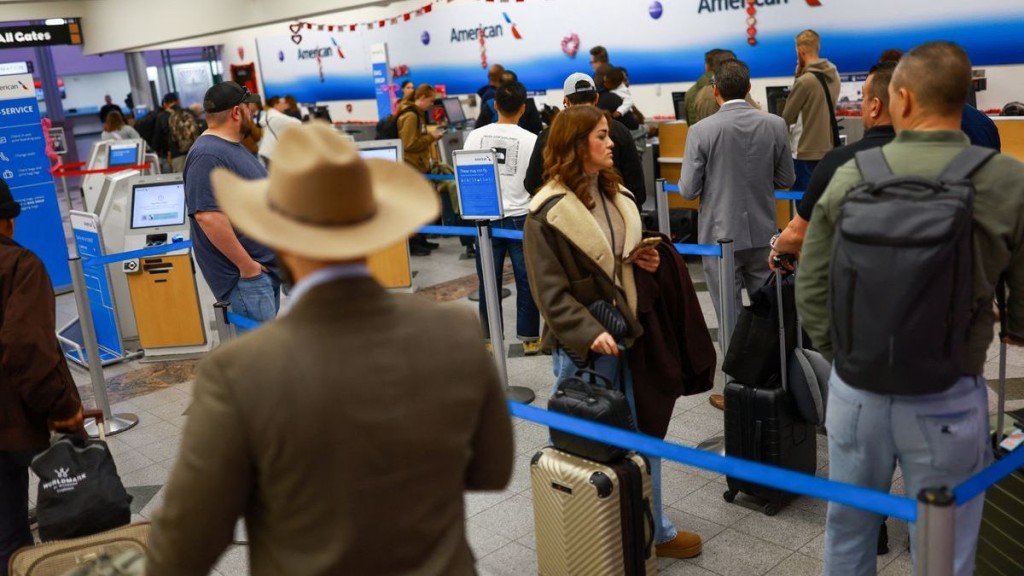
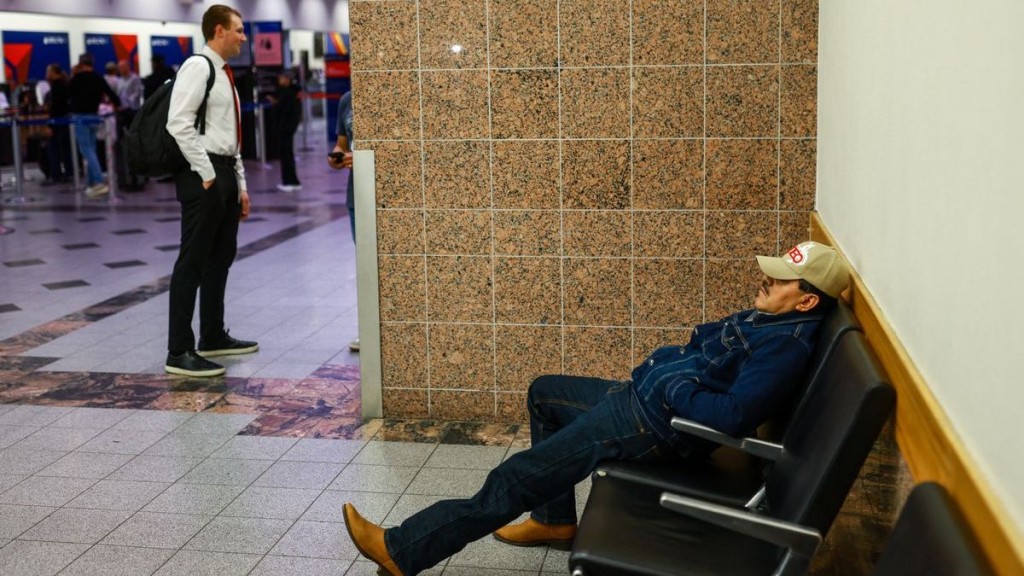
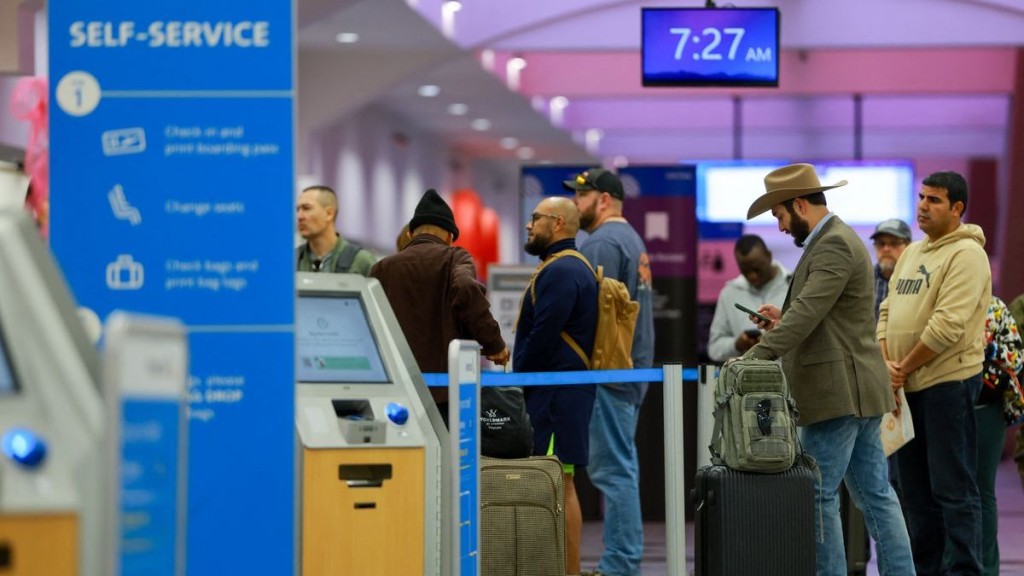
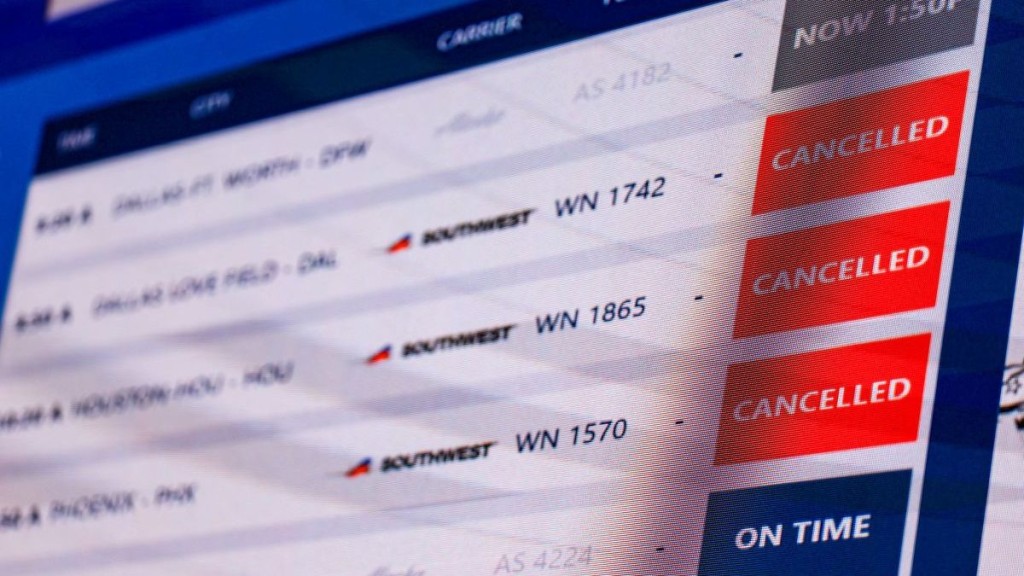
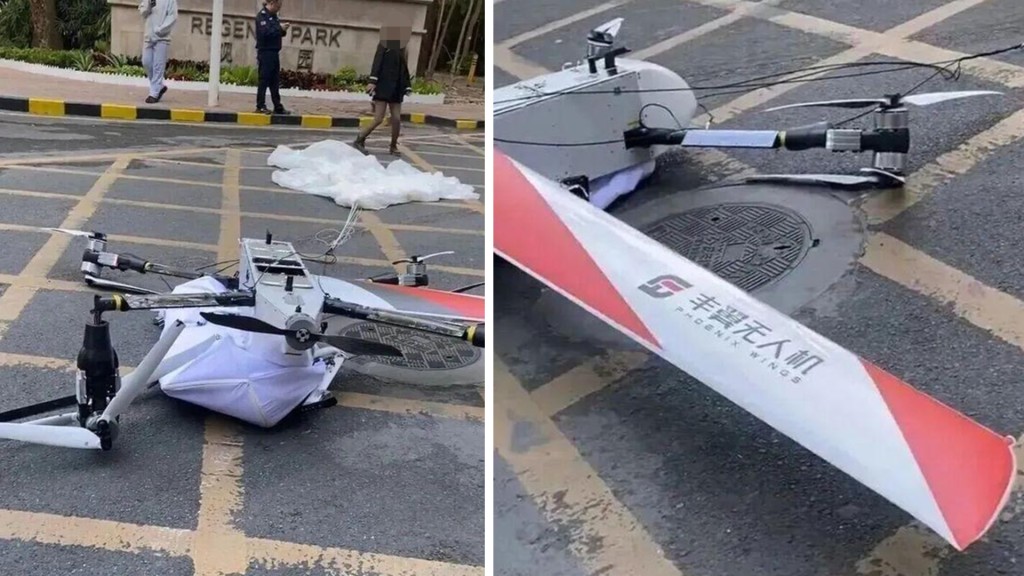
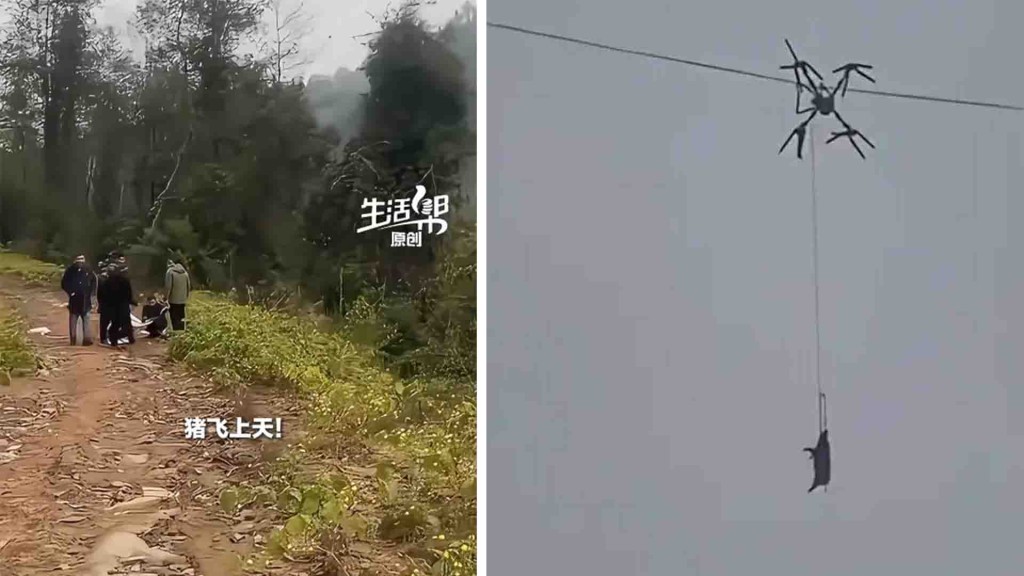
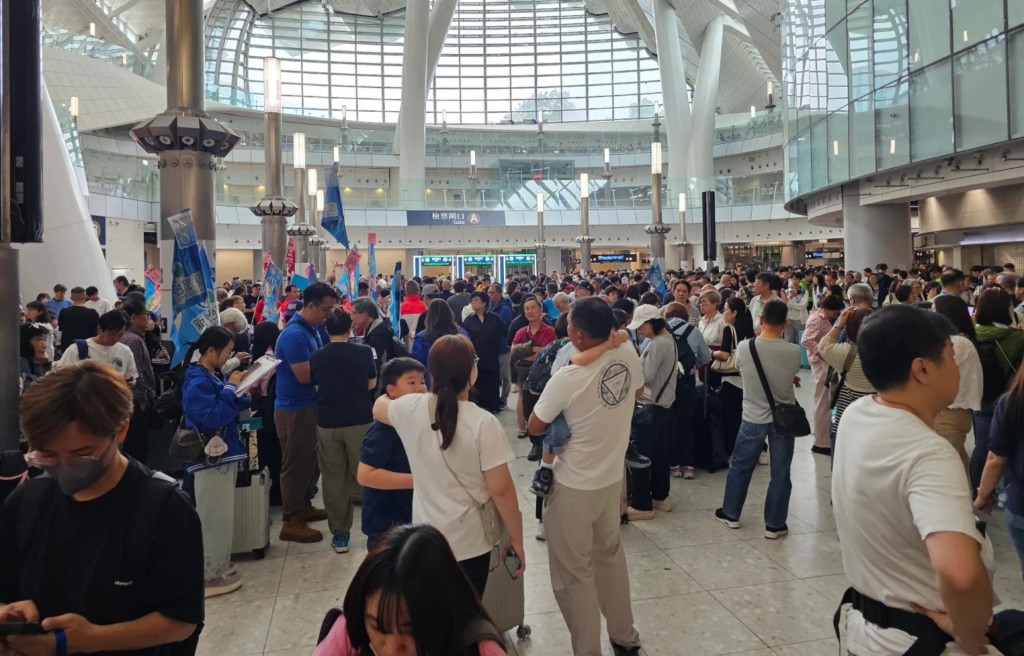
The U.S. Federal Aviation Administration on Wednesdayallowed flights to resume at Texas' El Paso International Airport, which borders Mexico, after abruptly barring all air traffic due to what they said was a drone incursion by a drug cartel.
ADVERTISEMENT
SCROLL TO CONTINUE WITH CONTENT
Officials had earlier warned flights in and out of the airport could be cancelled for 10 days, in what appeared to be an unprecedented action for a single airport.
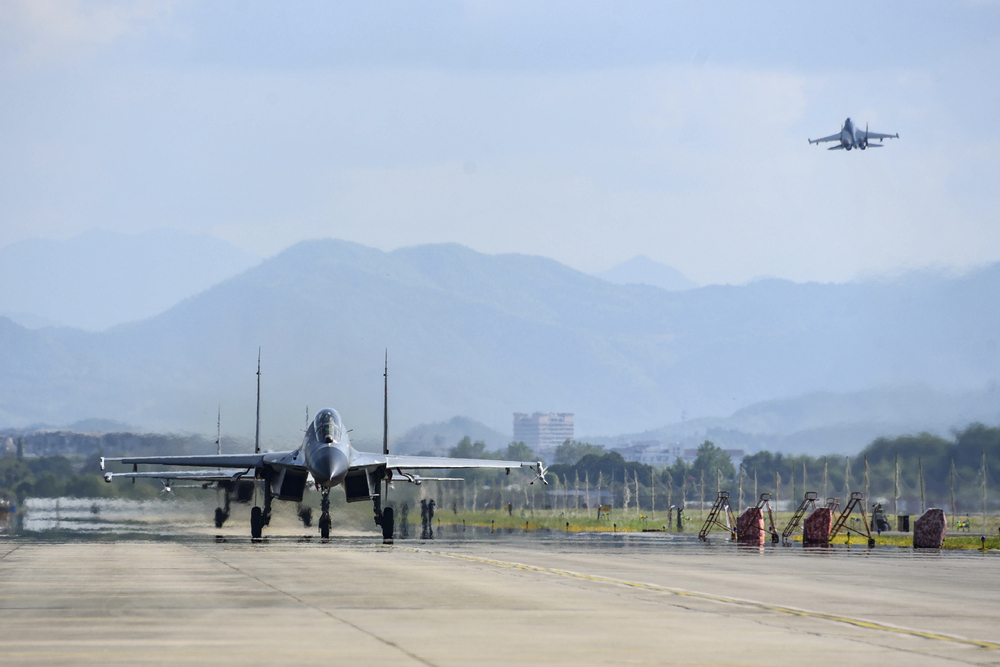
U.S. Secretary of Transportation Sean Duffy said the FAA and the Pentagon had shut down the airspace to deal with a cartel drone. "The threat has been neutralized, and there is no danger to commercial travel in the region," he said on social media.
Airline officials said the closure was prompted by coordination issues between the Pentagon and the FAA as they sought to assess what risk the Pentagon's counterdrone technologies might pose to U.S. air traffic. The FAA has not explained why its safety concerns were resolved so quickly.
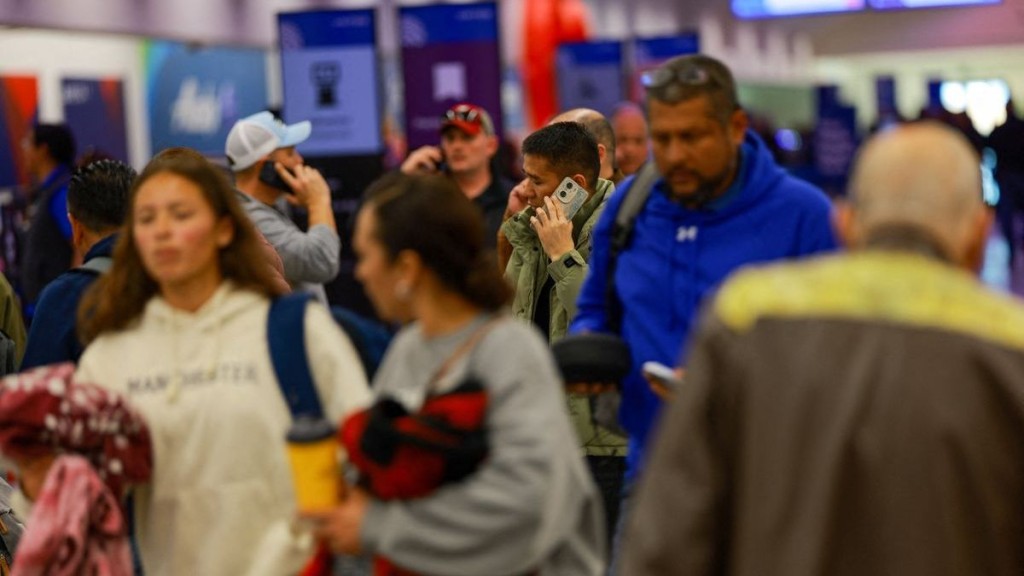
The move had stranded numerous aircraft from Southwest Airlines, United Airlines and American Airlines at the airport, which handles about 4 million passengers annually.
+1
AIRLINES CAUGHT OFF GUARD
Airlines were caught off-guard by the announcement, which occurred early Wednesday. Southwest Airlines said the effects should be minimal for the 23 departures scheduled for today.
The flight prohibition also covered some rural airspace in neighboring New Mexico.
"This rash decision will erode trust in public safety," Democratic Representative Joaquin Castro of Texas said on social media.
In mid-January, the FAA warned airlines to exercise caution when flying over Mexico, Central America and parts of South America, citing the risks of potential military activities. That caution was lifted last week after Trump said the United States wanted flights to resume to Venezuela.
Tensions between the U.S. and regional leaders have ramped up since the Trump administration mounted a large-scale military buildup in the southern Caribbean, attacked Venezuela and seized its president, Nicolas Maduro, in a military operation.
Trump said in January that drug cartels were running Mexico and suggested that the U.S. could strike land targets to combat them, in one of a series of threats to deploy U.S. military force against cartels.
After the attack on Venezuela, the FAA curbed flights throughout the Caribbean, forcing the cancellation of hundreds of flights by major airlines.
In December, a JetBlue passenger jet bound for New York took evasive action to avoid a mid-air collision with a U.S. Air Force tanker plane near Venezuela, which did not have its transponder activated.