Read More
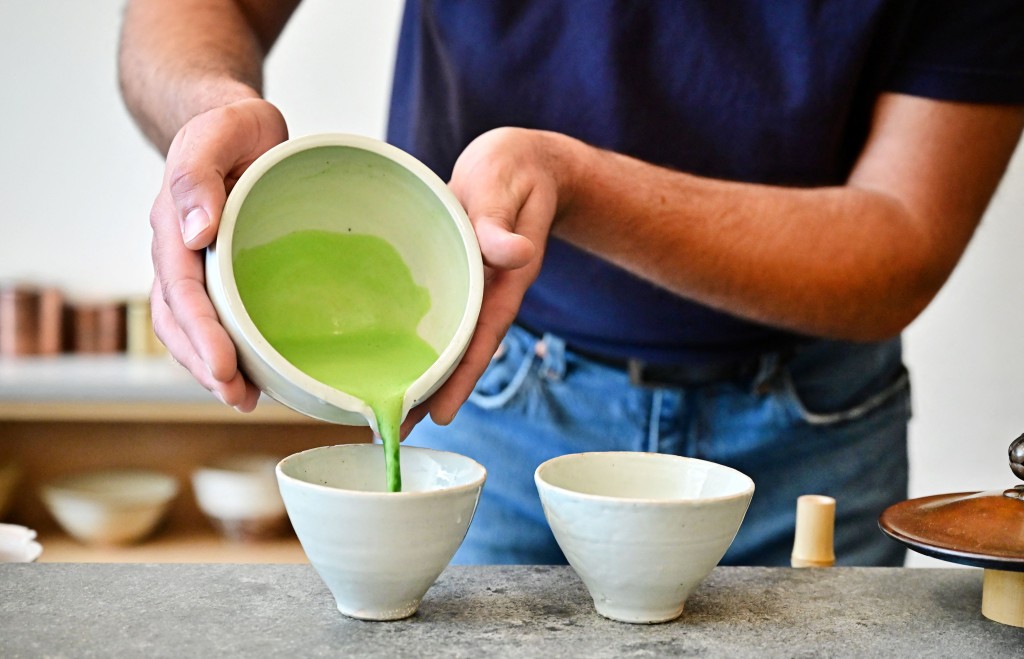
The matcha revolution sweeping social media platforms like TikTok and Instagram has created an unprecedented global demand that Japanese tea growers say they can no longer satisfy.
ADVERTISEMENT
SCROLL TO CONTINUE WITH CONTENT
While the vibrant green powder has become a staple in cafes worldwide and inspired millions of #Matcha posts, traditional producers warn that the centuries-old craft cannot keep up with the viral trend.
Masahiro Okutomi, a 15th-generation tea farmer in Sayama, Saitama Prefecture, recently told reporters his family business has been overwhelmed with orders.
"We've had to stop accepting new matcha orders entirely," he revealed, describing the production challenges behind the Instagram-friendly product.
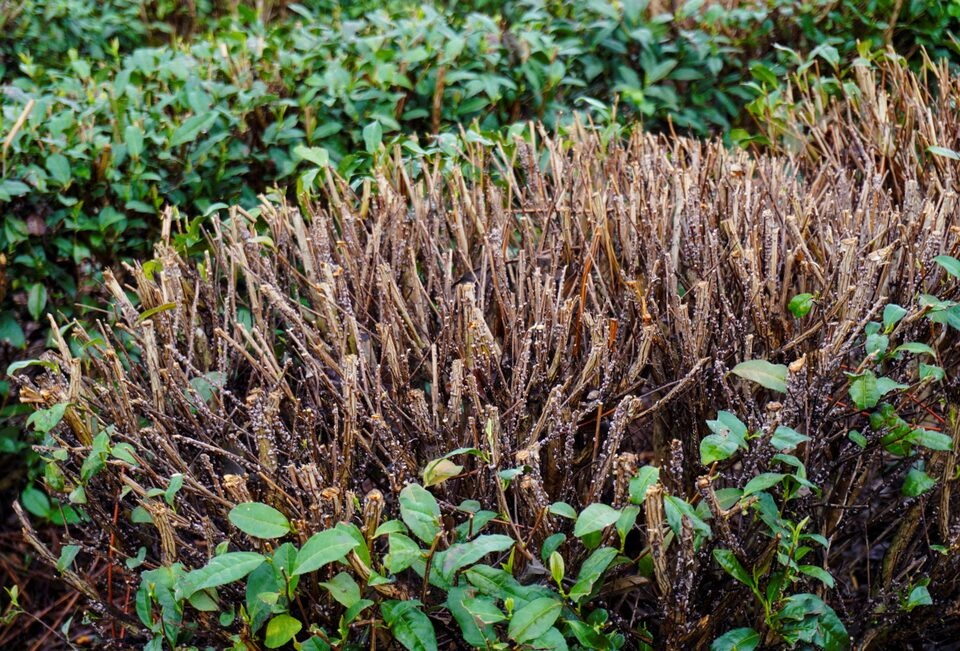
The artisanal process involves shading tea plants for weeks to develop matcha's signature flavor and color before harvesting the tencha leaves. Workers must then meticulously remove stems and veins by hand, steam and dry the leaves, and finally stone-grind them into fine powder - a labor-intensive method yielding just 40 grams per hour at twice the cost of regular green tea.
The global matcha market, valued in the billions, faces additional pressure from US tariffs on Japanese goods.
While the Japanese government encourages expanded production to lower costs, Okutomi worries about quality compromise.
"Many tea masters are aging without successors," he noted, adding that Japan's tea fields have dwindled to just a quarter of their numbers from two decades ago.
Marco Lam (marco.lam@singtaonewscorp.com)