
Read More
ADVERTISEMENT
SCROLL TO CONTINUE WITH CONTENT
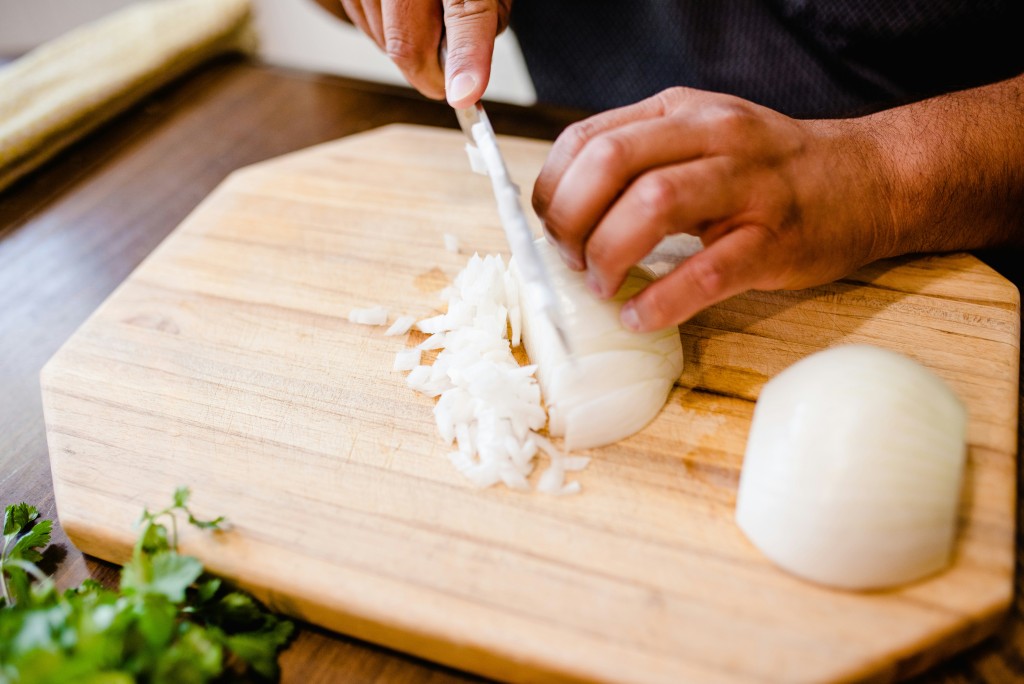
Onions are a staple in many households, packed with nutritional value. While some assume any cut is fine, Japanese and Taiwanese nutrition experts point out that vertical and horizontal cutting affect not only texture but also the release of active nutrients. Mastering the right cutting and cooking techniques can help you get the most health benefits from onions.
Vertical vs. Horizontal Cutting – Crunchy Texture vs. Milder Flavour
The main cutting styles are vertical cuts (along the grain) and horizontal cuts (across the grain). Each offers different advantages:
-
Vertical Cuts (Crunchier Texture): Cutting along the grain preserves structure, keeping onions firm and crunchy even after cooking. Best for stir-fries, stews, and Japanese simmered dishes.
-
Horizontal Cuts (Reduced Pungency): Cutting across the grain breaks cell walls, reducing pungent spiciness and releasing natural sweetness. Ideal for salads or raw consumption.
-
Boost Nutritional Activity: Experts note that the finer the cut, the more active the key nutrient—allicin—becomes. For maximum health benefits, use horizontal cuts or chop finely.
Sulfur Compounds Support Heart Health – Let Cut Onions Sit for 10 Minutes to Double Benefits
Taiwanese dietitian Li Wan-ping explains that the strong odour and pungent taste of onions come from sulfur compounds like propyl sulfide. These compounds help promote circulation, maintain blood vessel health, prevent blood clots, assist fat burning, and have antibacterial properties. After cutting or slicing onions, let them sit in the air for 10 minutes or more at room temperature. This allows allicin to fully develop, maximising fatigue relief and immune support.
Onion Skin Is Rich in Antioxidants – Make Your Own Nutrient Powder
Many people throw away onion skins, but the Japanese column "Dietitian's Kitchen" points out that onion skins are rich in quercetin, a powerful antioxidant. To harness this, wash clean, spot-free outer skins, pat dry with kitchen paper, bake at 120°C for about 10 minutes until completely dry, then grind into a fine powder. Add a pinch to soups or stir-fries for an easy antioxidant boost.
Selection and Storage Tips
Choose onions with smooth, spot-free skin, a firm pointed tip, and a heavy feel in your hand. For fresh onions, store in a sealed bag in the fridge crisper. Regular onions keep well in a cool, ventilated spot. In hot summer weather, wrap them in newspaper before refrigerating to prevent sprouting and spoilage.
Source: Taiwanese Dietitian Li Wan-ping