Britain's hopes of becoming a leading venue for the launch of small satellites remain intact despite the failure of the first mission, business minister Grant Shapps says.
Hours after a plan to launch nine satellites ended when Virgin Orbit's rocket suffered "an anomaly" that prevented it reaching orbit, Shapps said there would be another try.
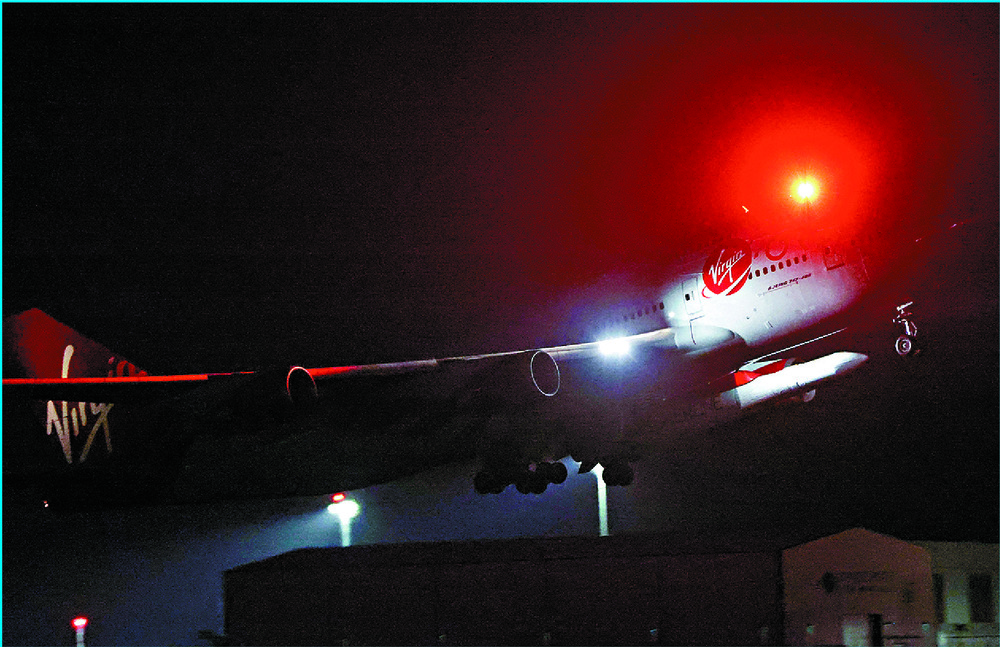
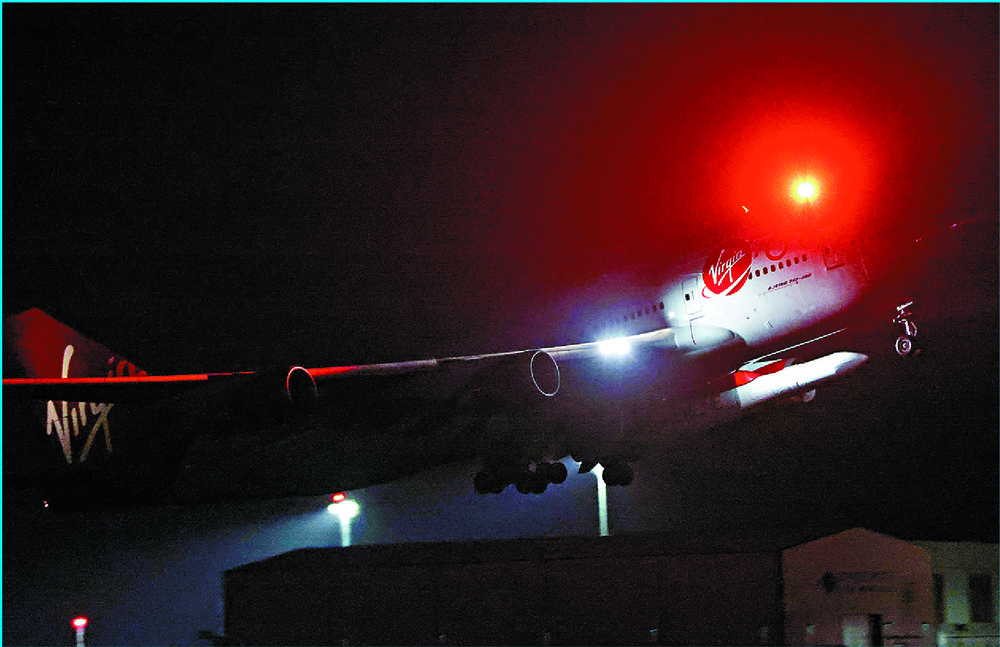
The rocket was released successfully over the Atlantic from a Boeing 747 that took off from Newquay airport in western England. The rocket reached 17,702 km/h before it failed.
"The great thing about this technology is that no one was harmed," Shapps said. "The pilots came back in the aircraft. It didn't work. No doubt they'll pick themselves up, dust themselves off and they'll go again."
Virgin Orbit chief executive Dan Hart said there would be corrective action after an investigation into the latest setback for European space missions.
An Italian-built Vega-C rocket mission failed after lift-off from French Guiana in December.
And the European Space Agency's Ariane 6 launcher for big satellites has been delayed.
The latest mission was hoped to be a major triumph for Britain and Europe as it would have been the first time satellites went into orbit from western Europe.
REUTERS
A Boeing 747 carrying Virgin Orbit's LauncherOne rocket takes off. REUTERS
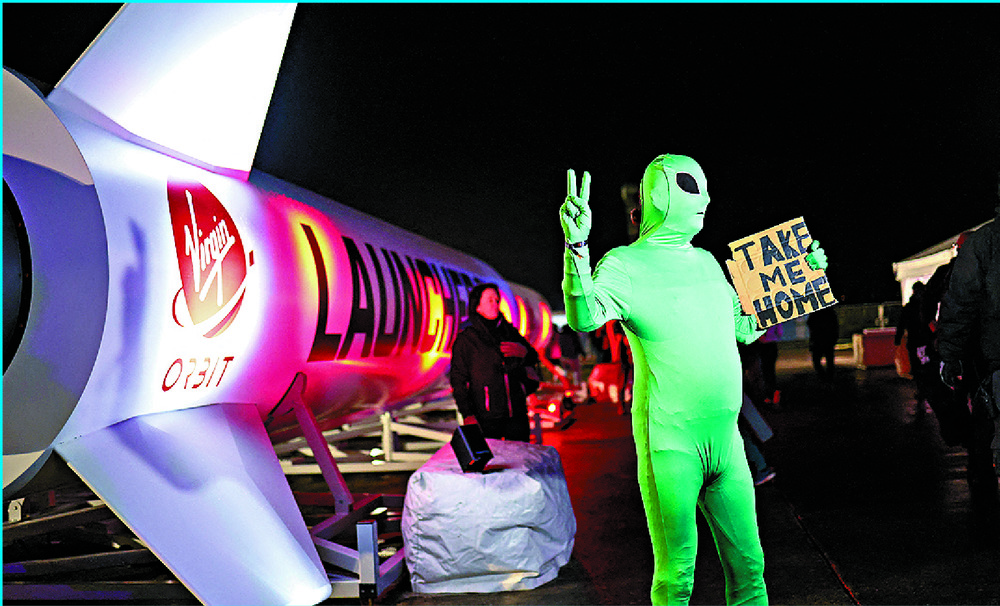
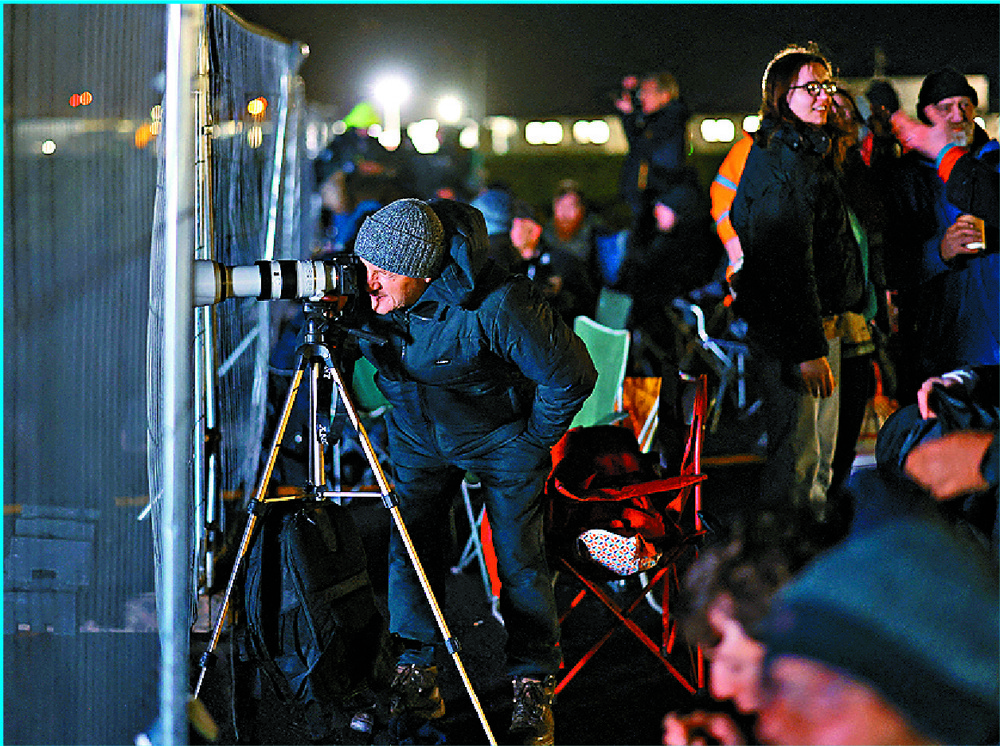
Excitement is in the air as Britons await the launch at Newquay. REUTERS