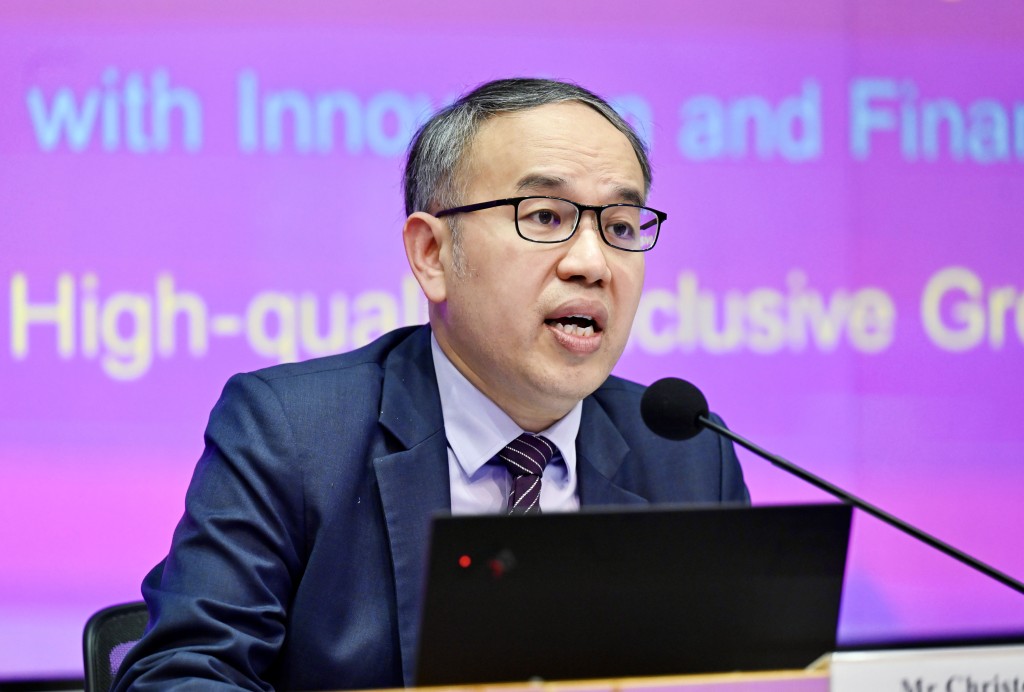
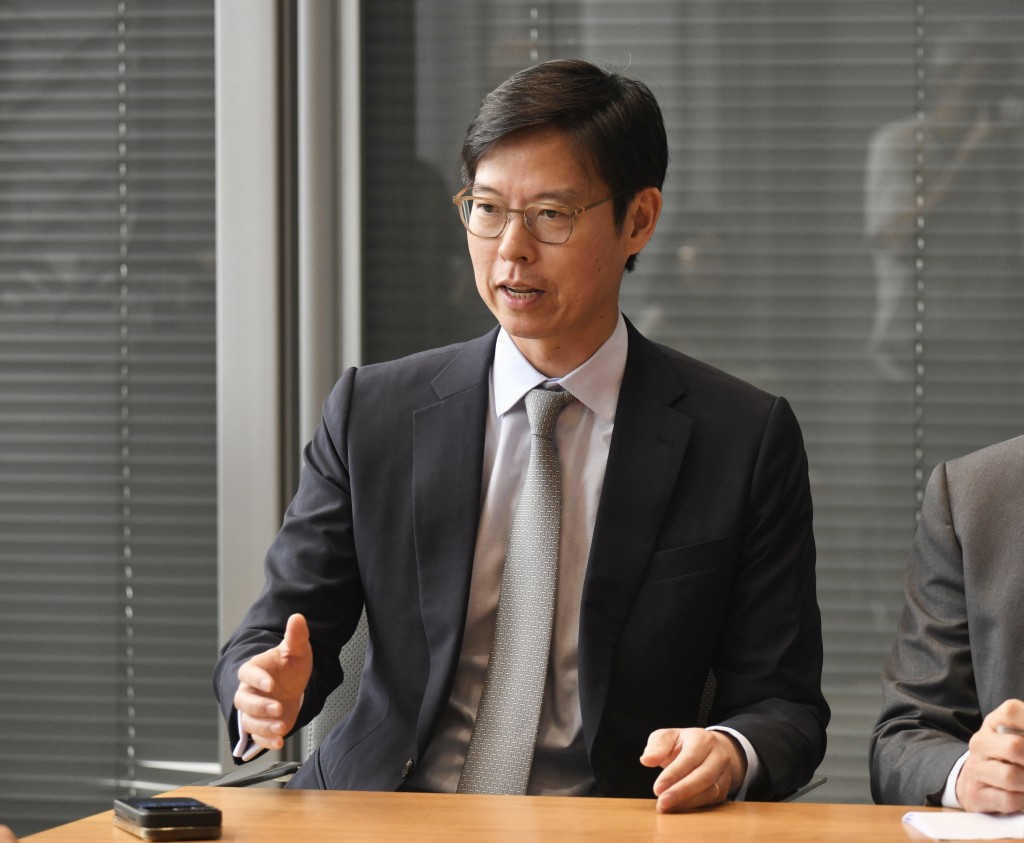
Middle East tensions have driven a shift in global capital flows, presenting both emerging challenges and opportunities to the city, according to Secretary for Financial Services and the Treasury Christopher Hui Ching-yu.
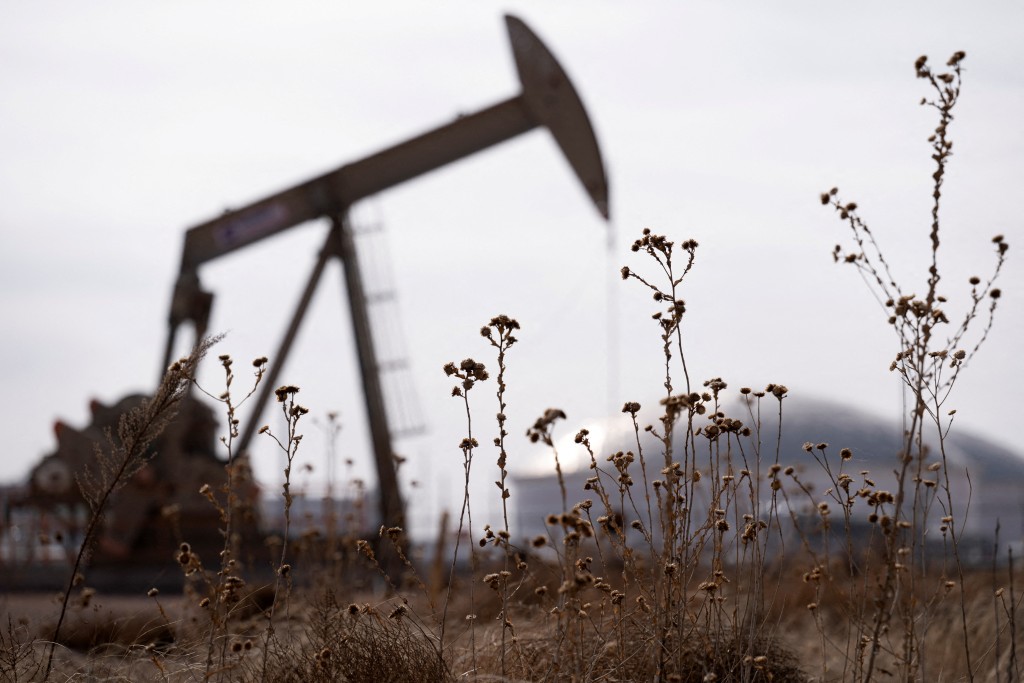
Speaking on a radio program this morning, Hui stated the recent increase in global oil prices has affected energy supply stability, impacting financial markets and future economic forecasts.
However, he assured that the Hong Kong market operations are currently stable, with the government as the regulator, committed to safeguarding effective market mechanisms.
Growing interest in family office
“Within the crisis lies an opportunity”, Hui said, explaining that Hong Kong’s stability, security, and policy certainty stand out to global investors compared to other parts of the Middle East.
He further pointed to recent reports of growing inquiries received by law firms and banks over the establishment of family offices and related asset and wealth management services.
With an aim to establish the city as the world's top wealth management hub, Hui revealed the target to assist more than 220 family offices in establishing or expanding their business by the end of 2028.
Expressing the wish to see enhancement in both quantity and quality of family offices, he noted that some family offices hope to develop charitable work in the city.
Hui stressed that family offices represent more than just financial investment as they create meaningful connections in Hong Kong while expanding their influence across different economies.
He added that the Financial Services Development Council will help family offices connect with local charitable activities, and expansion of tax exemptions will be gradually implemented.
Financial reforms amid global trends
Additionally, Hui revealed that Hong Kong Exchanges and Clearing (HKEX) is planning a series of reform measures, which include adjusting the listing thresholds for companies with weighted voting rights structures and enterprises from the innovation and technology sector.
Through these financial reforms, Hui aims to broaden the sources and industry categories of listed companies, promoting a more robust and diversified market that attracts global investors to Hong Kong.
Hui also noted that recent rapid advancements in AI technology in China, coupled with tariff impacts on international markets, have channeled significant capital into Hong Kong's capital markets.