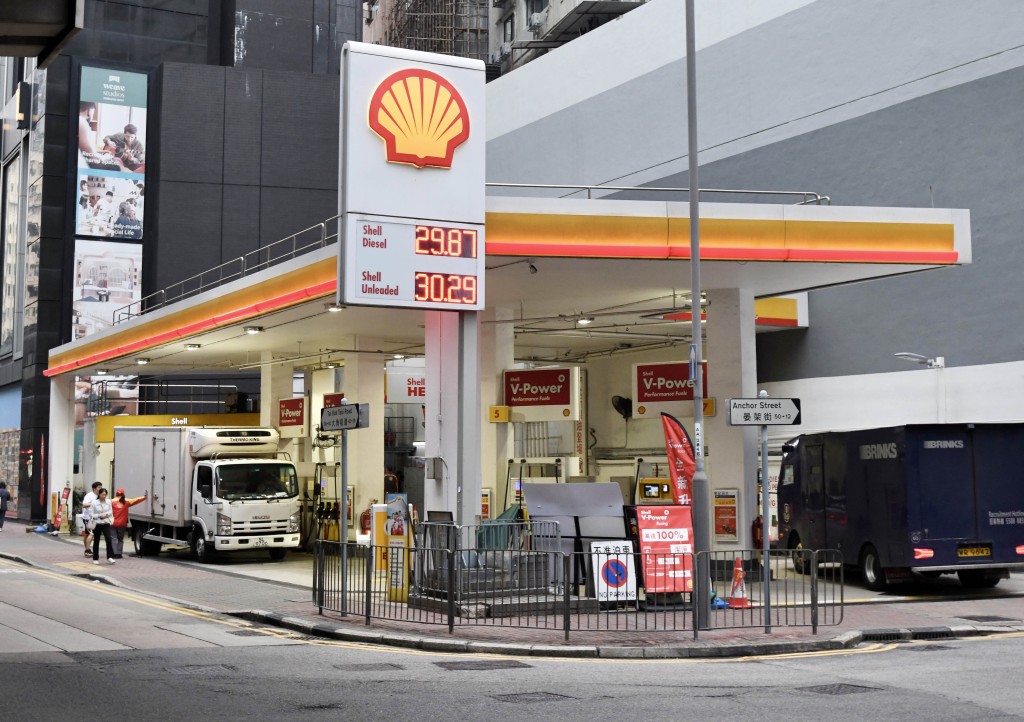
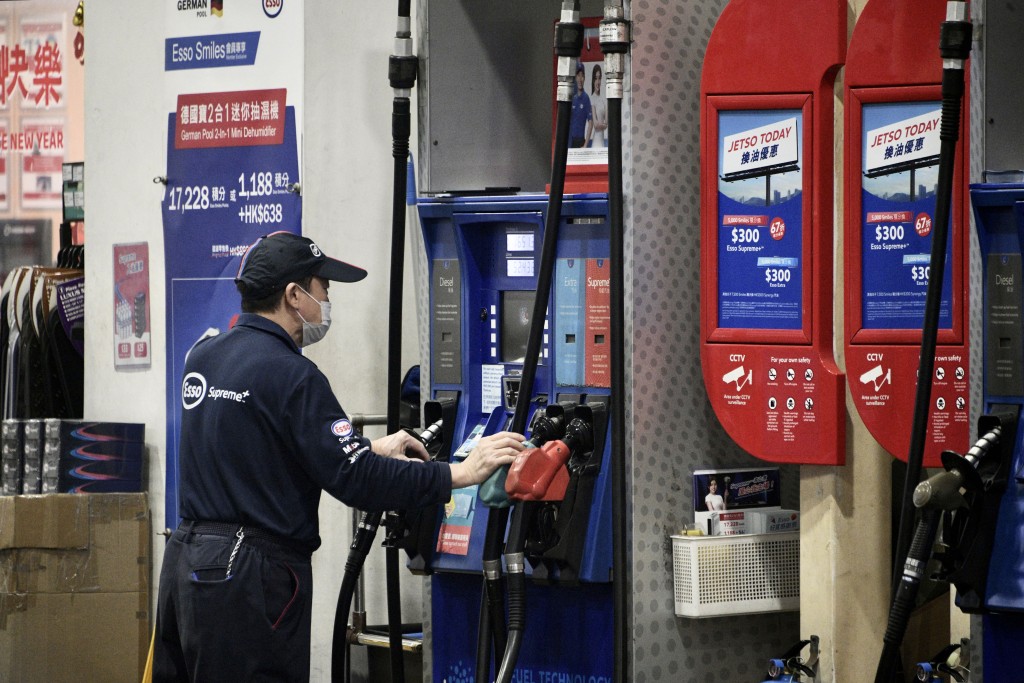
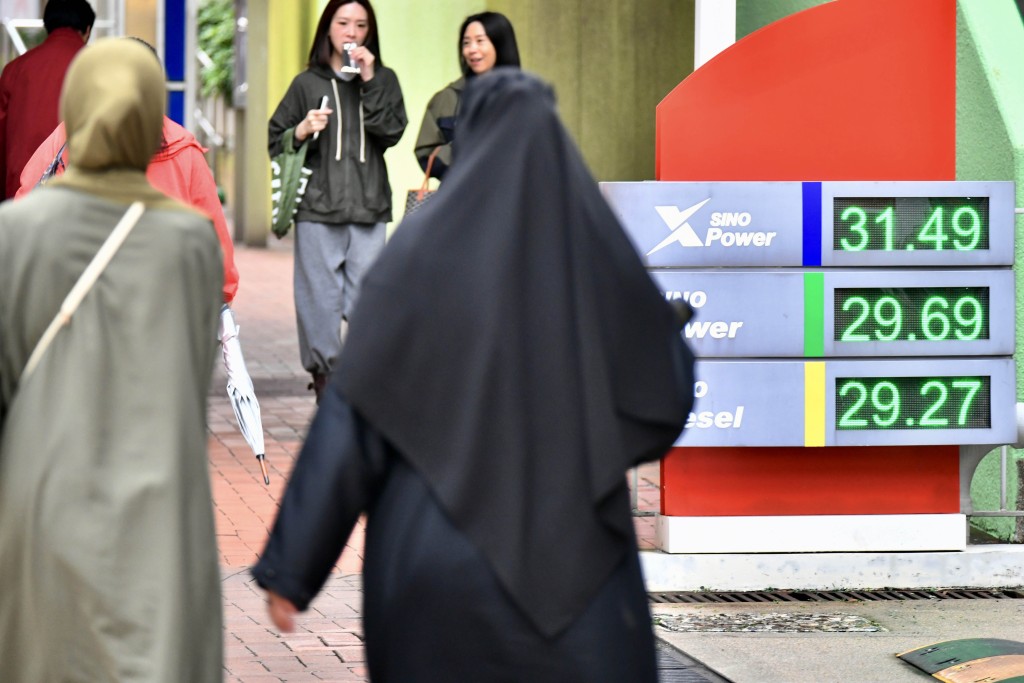
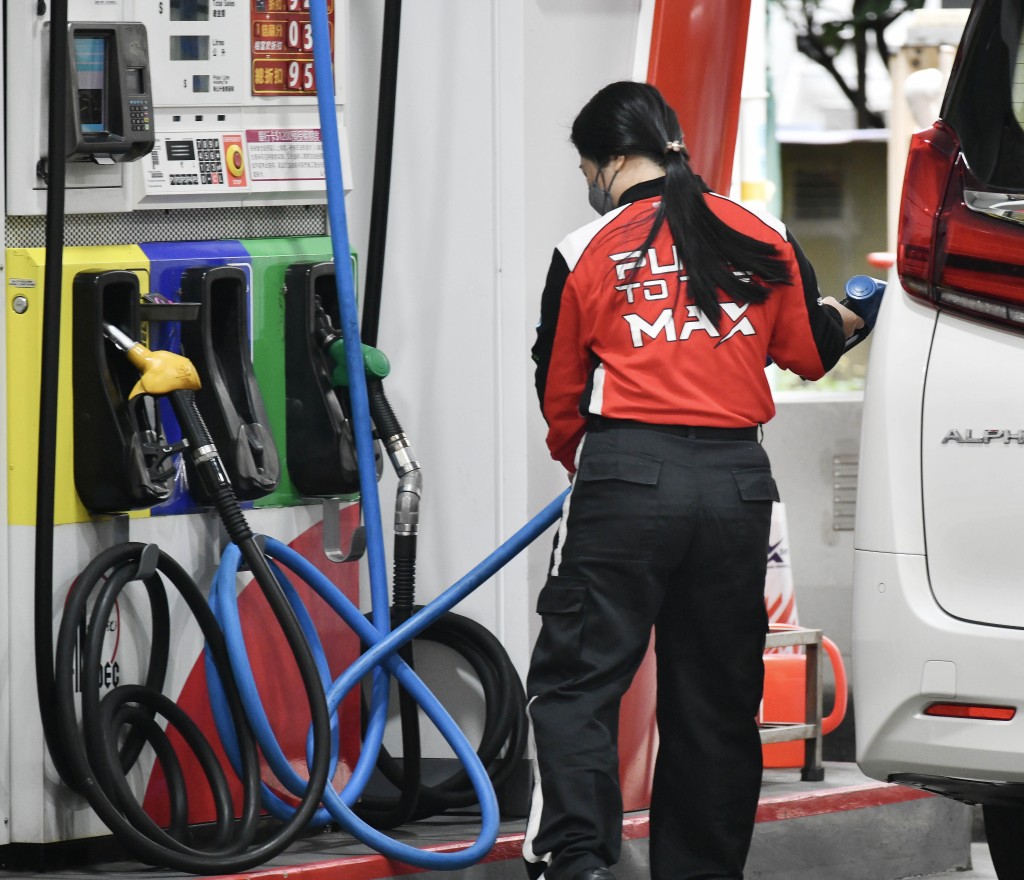
The government is facing mounting calls to introduce temporary relief measures for motorists and transport operators as local fuel prices are expected to surge sharply later this week. The anticipated spike comes as current oil stocks of the oil companies in Hong Kong run out and global crude prices soar amid escalating conflict in the Middle East.
International oil prices surged in early trading on Monday, with U.S. West Texas Intermediate (WTI) crude futures jumping more than 20 percent—the highest level since July 2022—amid ongoing instability in the Middle East.
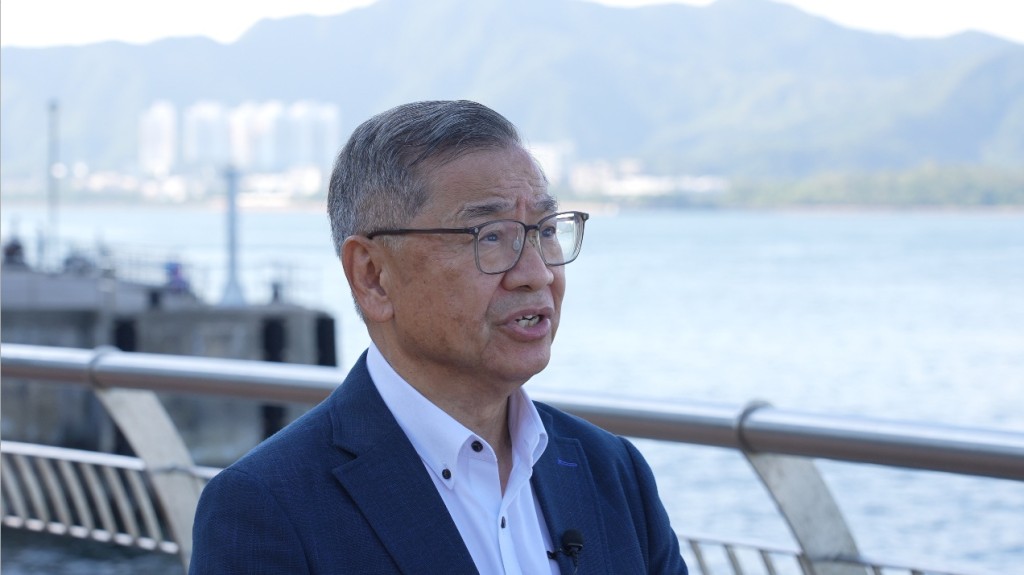
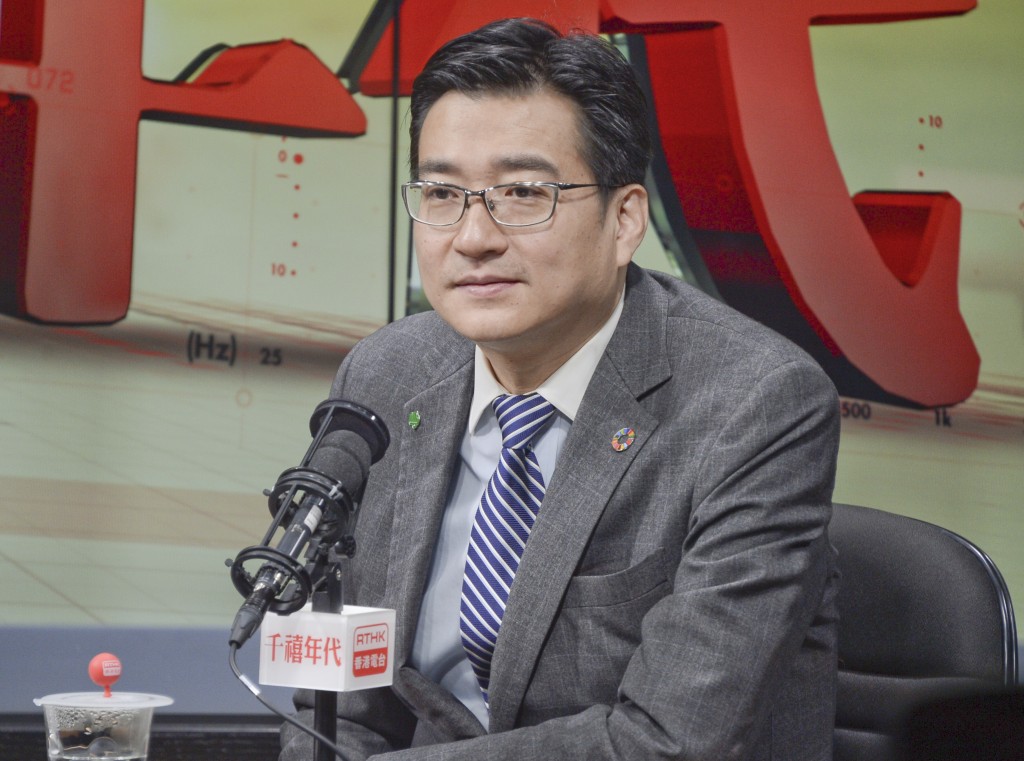
Speaking on a radio program, honorary life president of the Hong Kong, China Automobile Association Ringo Lee Yiu-pui noted that premium petrol prices in Hong Kong have already hit HK$32.39 per liter and diesel had risen above HK$30.
Lee explained that oil suppliers are still selling the old stocks, but prices have been rising incrementally each day. With current inventories nearly depleted, he warned that a new, more expensive shipment from Singapore—affected by higher international oil prices and shipping costs—will soon arrive, pushing local fuel prices even higher.
He called on the government to reduce the duty on unleaded petrol and provide fuel vouchers to public transport operators, or illegal fueling stations could become more rampant.
Lee also noted that Hong Kong has some of the highest fuel prices in the world, and that oil companies tend to "raise prices fast, cut slow." He warned that even if the Middle East conflict eases, any price reductions are likely to be slower than the recent hikes.
While acknowledging the higher costs, Lee argued that the core issue lies in Hong Kong’s fuel pricing structure, including taxes, land, and labour costs. “Hong Kong drivers have no choice but to bear expensive fuel,” he said.
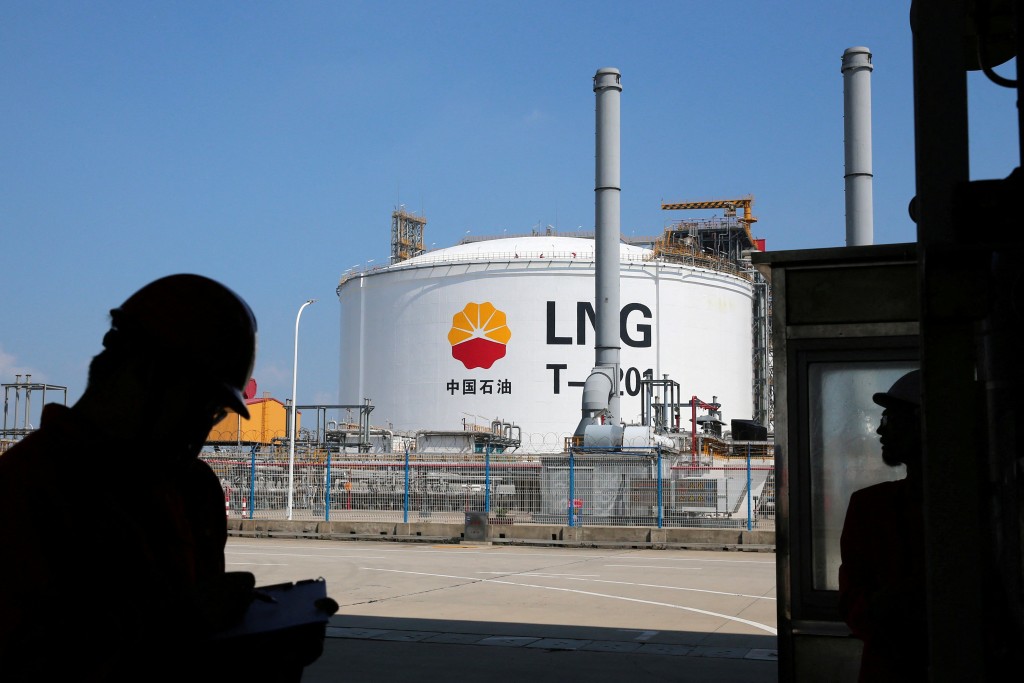
Meanwhile, the chief executive of the World Green Organisation William Yu Yuen-ping said the oil price surge has also lifted natural gas prices, and some energy facilities in Middle East have been damaged due to the conflicts, causing global supply shortages.
He said that around 12 percent of Hong Kong’s natural gas comes from Qatar, mainly for HK Electric’s supply. He expects the local electricity bill could also be affected, depending on how long the conflict lasts.