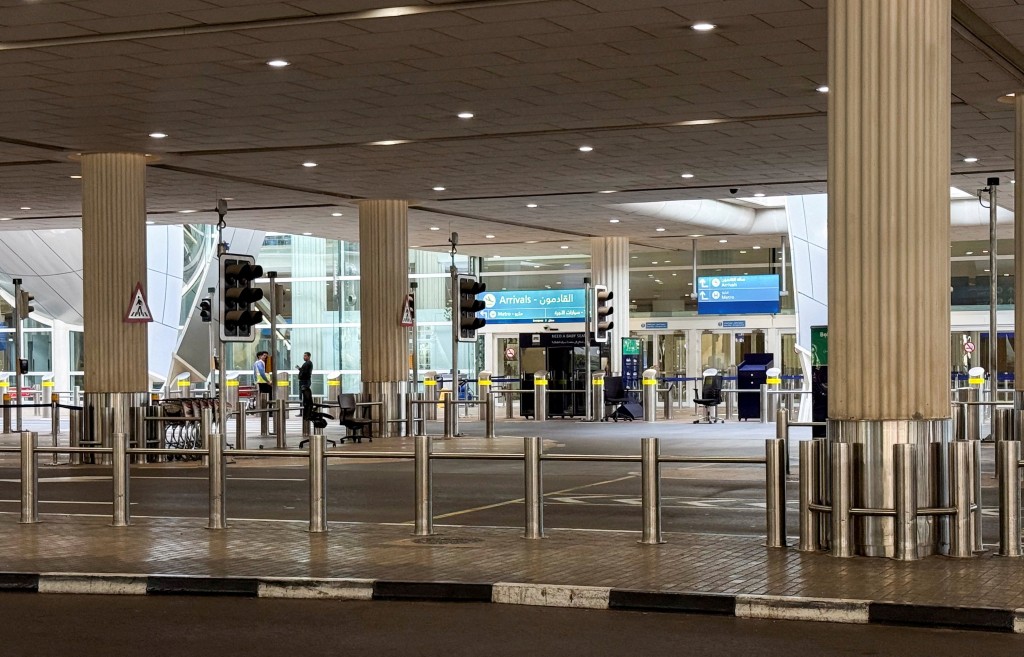
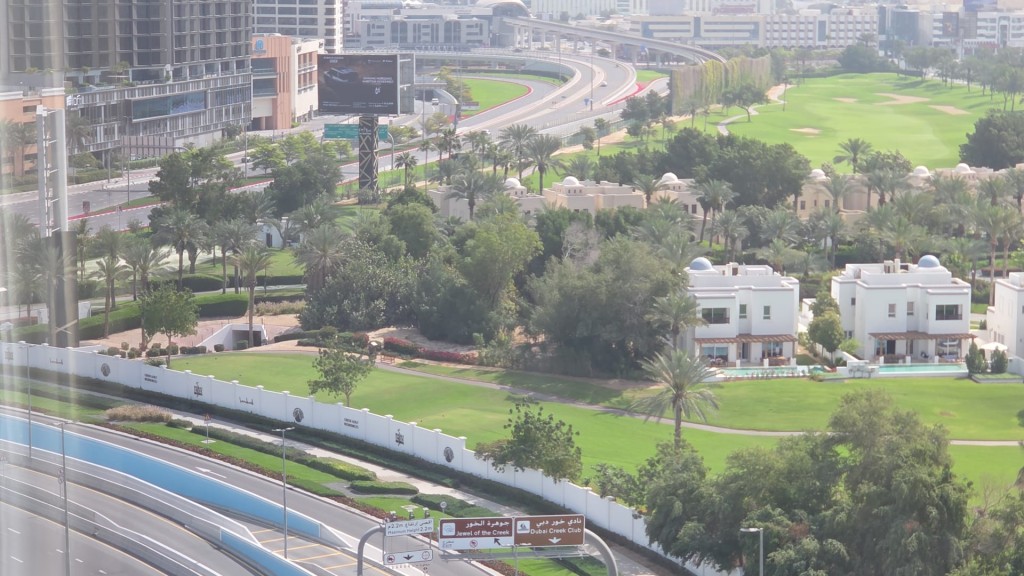
Two tour groups from the travel agency WWPKG stranded in Dubai amid the Middle East tensions are now able to resume sightseeing following the local government’s lifting of the citywide alert, said WWPKG chief executive Yuen Chun-ning on Tuesday.
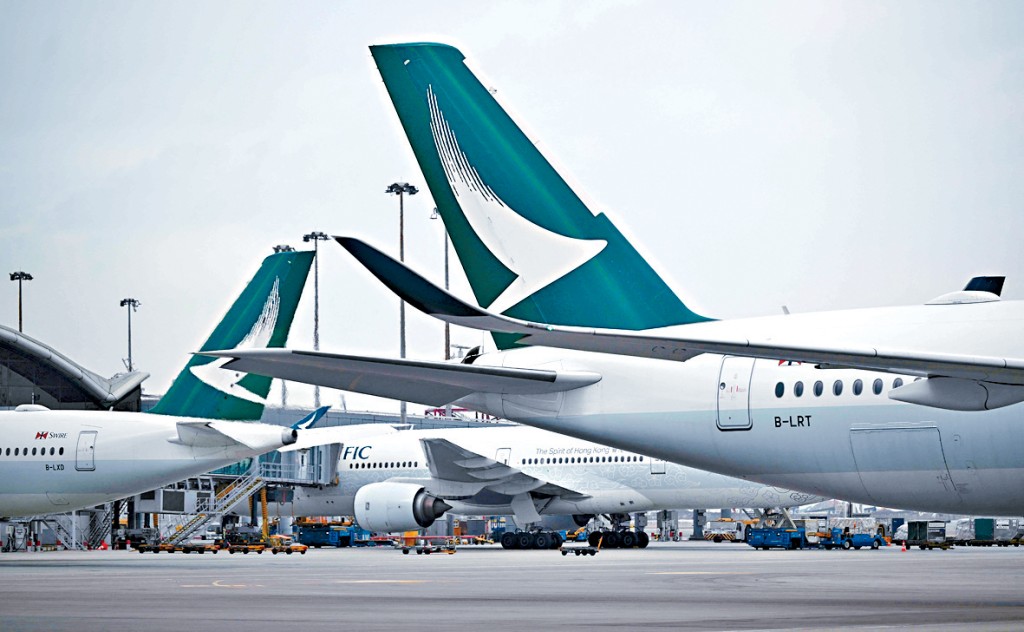
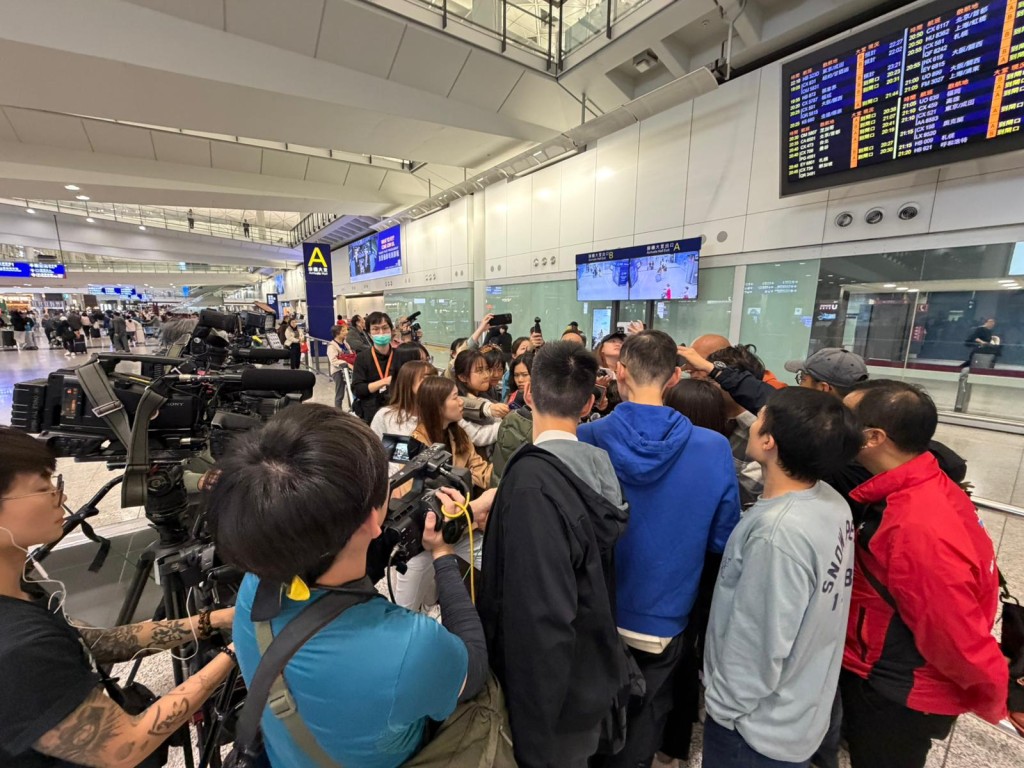
Speaking on a radio program, Yuen noted that a total of 20 members are unable to return to Hong Kong as scheduled due to the suspension of flight operations at Dubai International Airport.
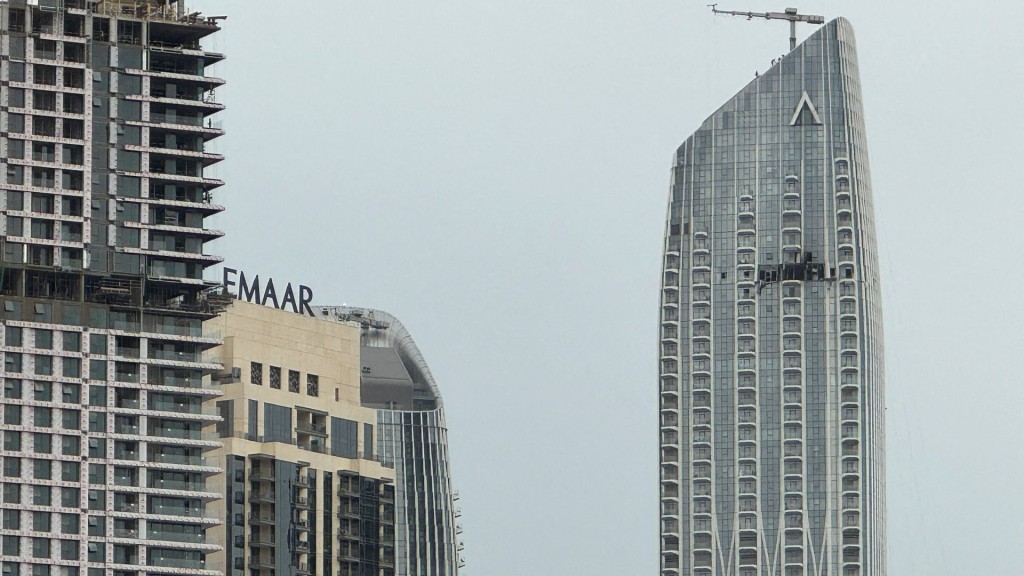
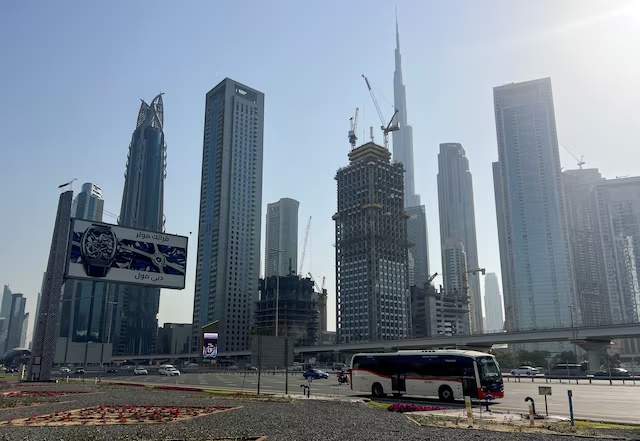
However, he said the Dubai government and its tourism authority confirmed on Monday that the city center is safe and tourist activities can gradually resume.
He revealed that the Abu Dhabi Department of Culture and Tourism has instructed hotels to continue providing accommodation for travelers stranded due to “force majeure”, with related costs to be borne by the government.
He expected the Dubai government to follow the same arrangement and may make an announcement today, which would help ease the tour members’ concerns about additional expenses.
He added that many airports in the Middle East are still operating at limited capacity and most flights remain suspended. Stranded passengers are expected to wait some time before returning to Hong Kong.
He noted that travelers transiting through the Middle East to Europe are less affected, as more direct flights are available between Europe and Hong Kong, offering greater flexibility.
For insurance, Yuen stressed that losses caused by war are excluded from travel insurance coverage, meaning affected travelers are unlikely to receive compensation.
WWPKG has canceled all Middle East tour groups until March 10 and will review further arrangements according to the situation.
Trips scheduled for June and July remain unchanged for now, though some customers booked on Easter tours have requested to switch to other destinations. The agency has rearranged several groups. He urged travelers not to rush to cancel their trips.
Meanwhile, Billy Mak Sui-choi, associate professor at Hong Kong Baptist University’s Department of Accountancy, Economics and Finance, said on the same program that the direct impact of the regional conflict on Hong Kong is limited, but indirect effects could be more significant.
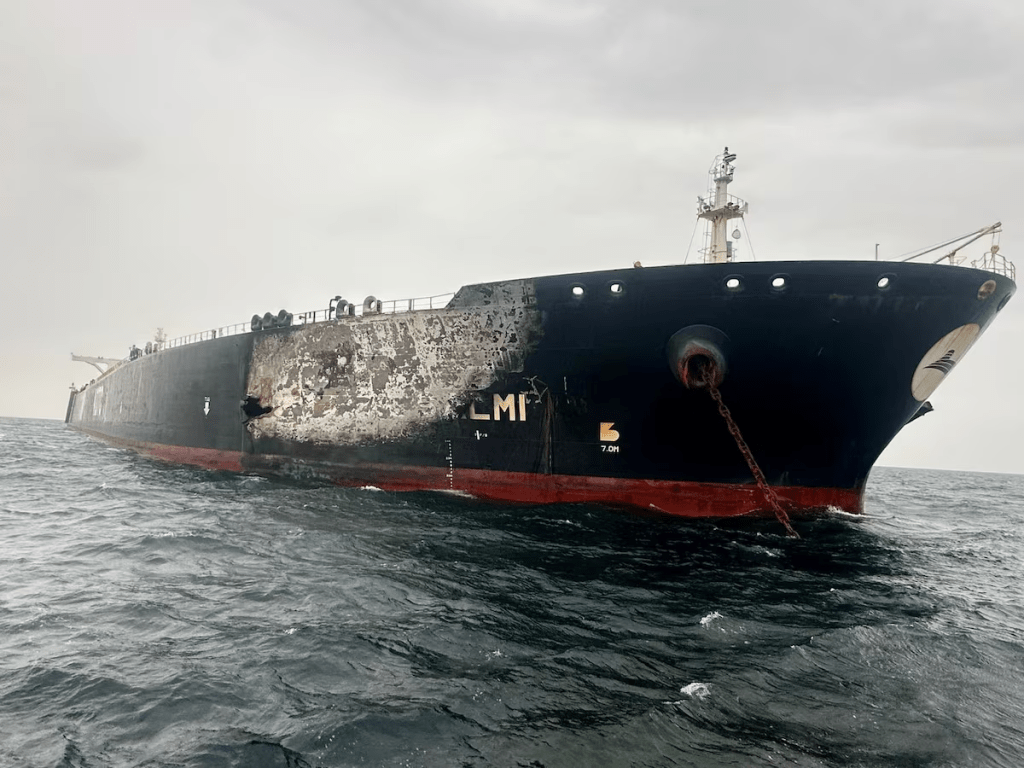
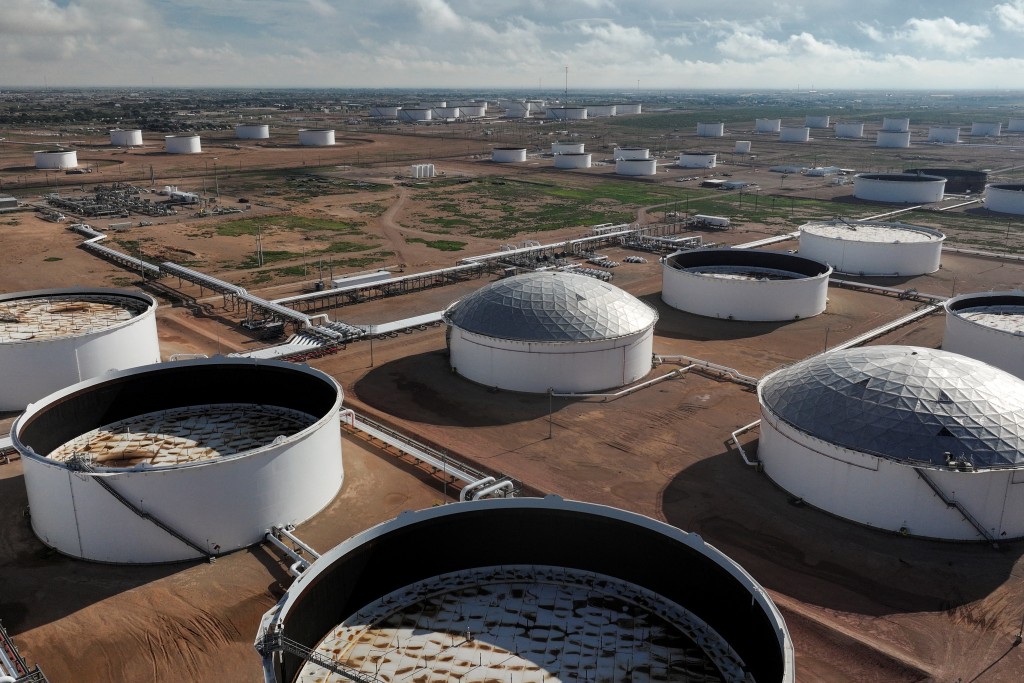
He explained that if the conflict triggers an energy crisis, it may drive up inflation, which might force the United States to raise interest rates to curb inflation. Under the linked exchange rate system, Hong Kong would be compelled to follow US rate hikes, potentially slowing economic growth.
He noted that markets are generally concerned about whether the conflict will push up energy prices, thereby fueling inflation and even causing global stagflation. If stagflation occurs, living costs for residents would inevitably increase.
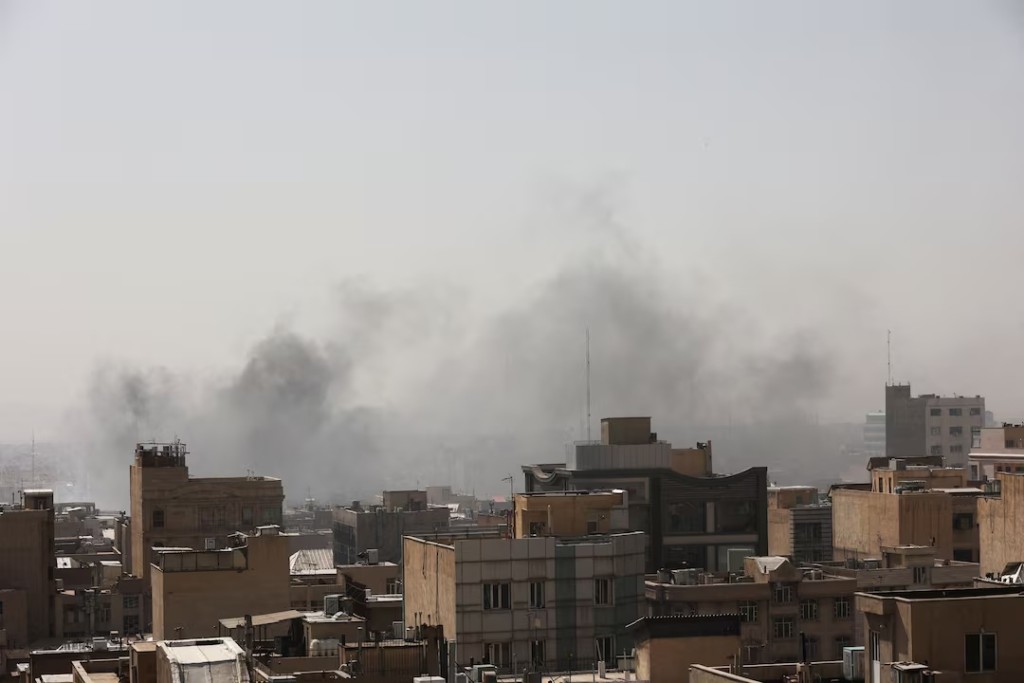
On whether the conflict will undermine Hong Kong’s confidence in expanding into emerging markets such as the Middle East, Mak said some impact is unavoidable. He noted that US-Israel strikes on Iran have hit areas hosting US bases, disrupting flights and logistics, which may temporarily hinder Hong Kong-Middle East trade.
However, he believes Hong Kong’s borderless financial markets are a strength and that financial cooperation with the region could be further strengthened.