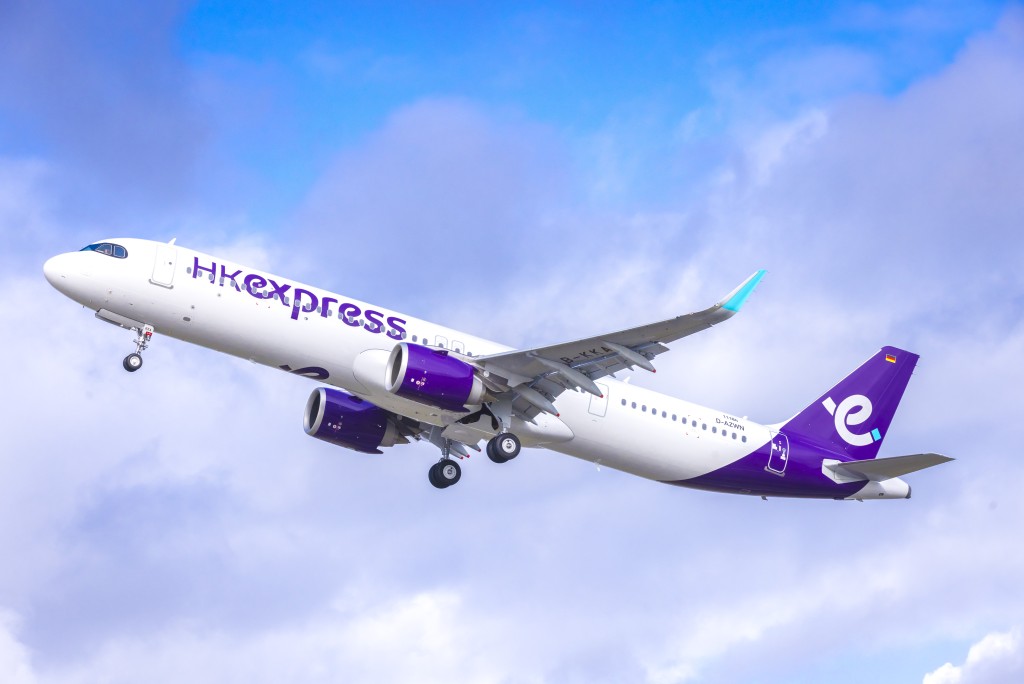
The sharp increase in Hong Kong's airport departure tax from HK$120 to HK$200 could hurt the city's competitiveness against regional rivals like Singapore and airports in the Greater Bay Area, engineering sector lawmaker Lo Wai-kwok said.
His comment came as the government defended the 66 percent increase that is set to take effect from October 1 as a "reasonable and affordable" measure to boost public revenue, rejecting calls for phased implementation or reduced rates.
Speaking on a radio program on Thursday, Lo, who is also an Airport Authority board member, said the tax hike may deter budget travelers and short-haul flyers.
"We must consider how this affects our position against neighboring hubs," he said, while welcoming government efforts, such as the extension of tax-free period, to attract transit passengers.
The Financial Services and Treasury Bureau earlier said the tax had remained unchanged for two decades and argued the hike aligns with inflation trends since 2003.
Tourism sector lawmaker Perry Yiu Pak-leung, however, lambasted the move as "short-sighted" and lacking objective analysis.
In a Facebook post on Wednesday, he expressed disappointment over the government’s refusal to address industry concerns or revise the proposal, accusing officials of ignoring warnings about higher total airport fees weakening competitiveness.
Citing Airports Council International data, he warned the hike could lead to a potential loss of 3 million travelers annually -- and push Hong Kong's total airport tax fees to HK$355-425, among Asia's highest.
Yiu cautioned against today's altered landscape of post-pandemic recovery, geopolitical tensions, and elevated traveler price sensitivity.
He also noted that regional rivals like Singapore and Bangkok have rebounded to 92 to 116 percent of pre-pandemic passenger volumes, while Hong Kong's recovery lags at 74 percent.
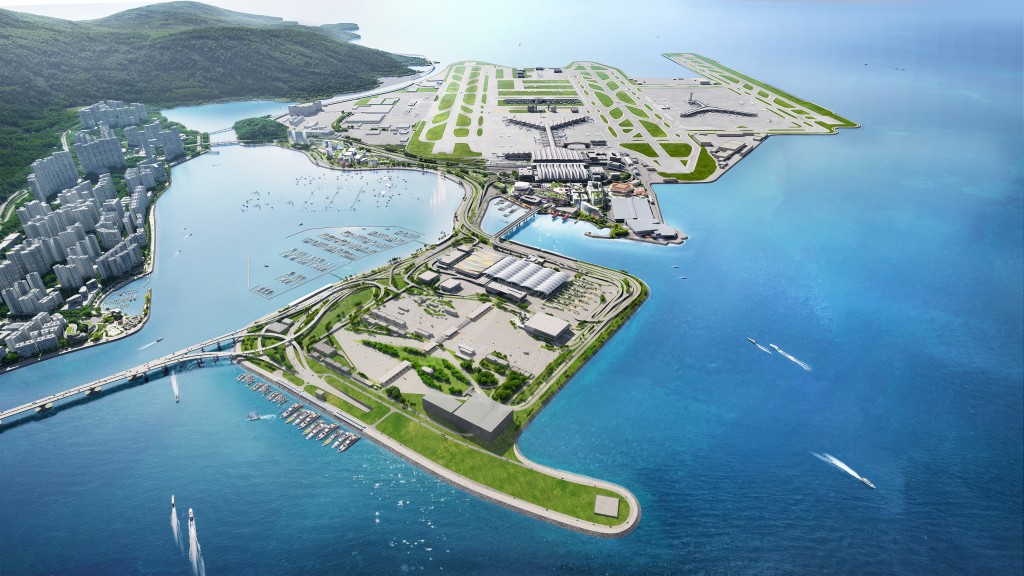
With Hong Kong International Airport targeting 120 million annual passengers after its third runway completion, Yiu warned the tax hike could undermine long-term growth. "This isn't just about airlines competing—it's hub versus hub," he said, pledging to push amendments at the next bill committee meeting.
Singapore's Changi Airport will gradually raise fees from now until 2030.
Departing passengers will pay more - security and service fees increasing from SG$46.6 (HKD272) to SG$58.4 (HKD343) by April 2030, with annual SG$3 hike starting 2027.
Transfer fees will also rise, climbing SG$3 yearly from 2025 to 2027, then SG$1 yearly until 2031 when they reach SG$18.
Ayra Wang