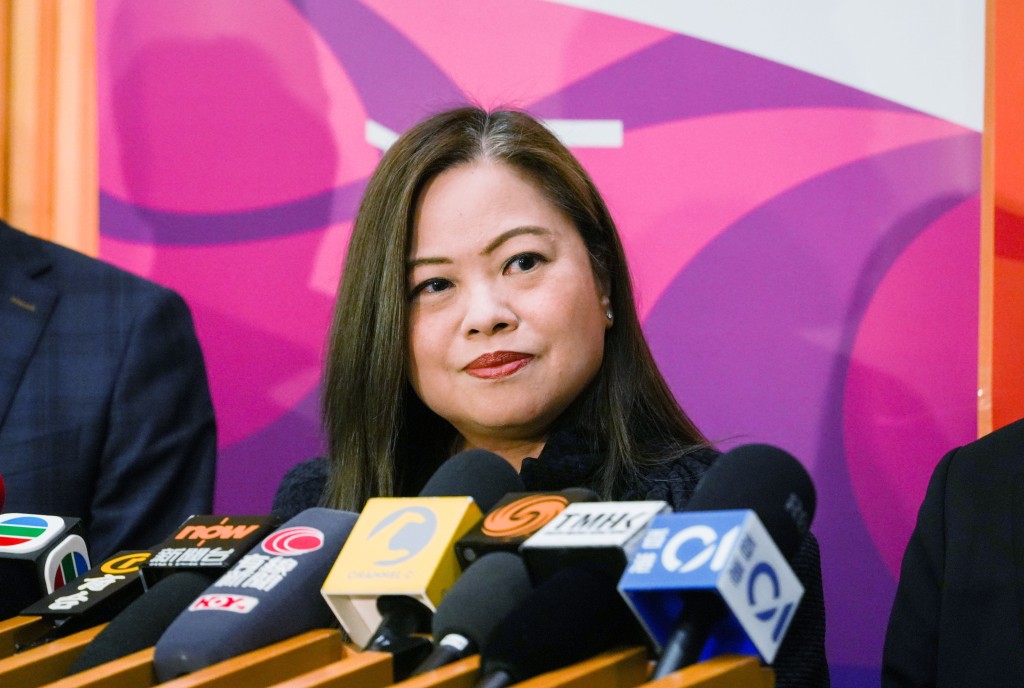
Hong Kong’s first-phase ban on single-use plastics has achieved encouraging results one year after its implementation, according to Steve Wong Chi-wah, the Assistant Director of Environmental Protection in Waste Management.
The legislation, which took effect on April 22, 2024, with a six-month adaptation period, prohibits the sale and distribution of items such as plastic straws, cutlery, and styrofoam food containers.
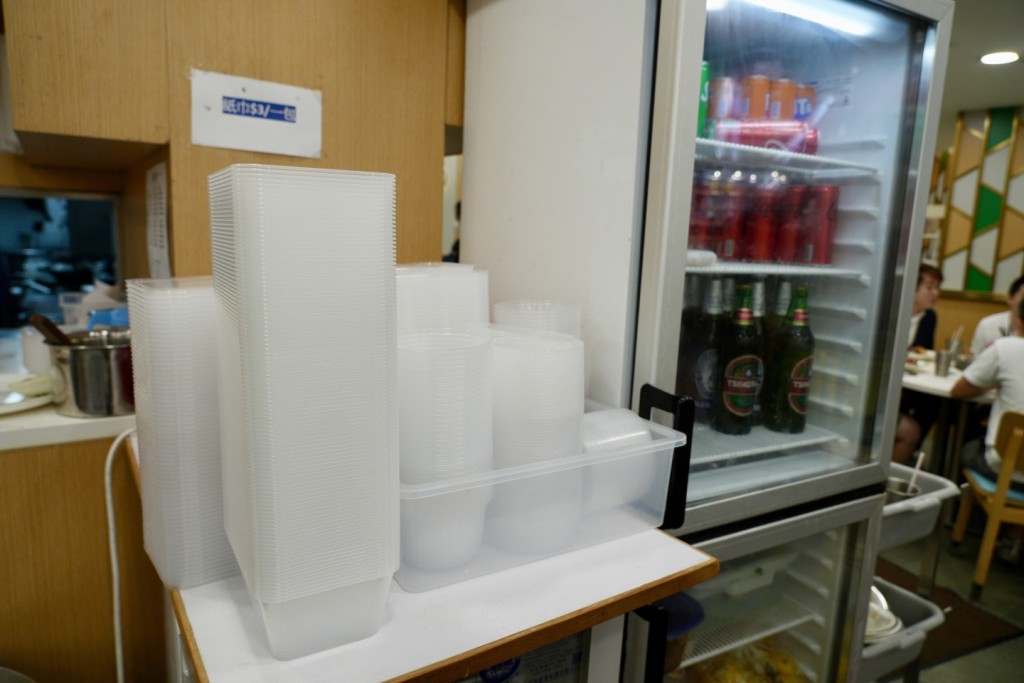
Speaking on a radio program on Wednesday, Wong said authorities are now preparing for the second phase, covering additional products like takeout food containers and lids.
“We are in close communication with the catering industry and manufacturers of alternative products to assess their maturity, availability, and affordability before finalizing the timeline,” Wong said.
He said officials have gathered feedback from food and beverage businesses over the past two months, with plans to conduct trials with major restaurant chains by mid-year to test non-plastic alternatives.
Wong acknowledged industry concerns about the functionality of eco-friendly packaging, particularly for liquid or soup-based foods, where safety and leak-proof qualities are critical.
Wong reassured that the Environmental Protection Department will continue discussions to address these challenges.
When asked whether the current economic climate would affect the rollout, Wong noted that prices for non-plastic alternatives have been steadily declining, making them more accessible for businesses.
Steven Chan Wing-kit, assistant environmental affairs manager at The Green Earth, praised the first phase’s progress but urged further efforts to promote reusable utensils.
At the same program, Chan suggested initiatives to encourage sustainable habits, such as deposit-return systems, discounts for customers who bring their own containers, or lending services.
Chan also expressed confidence that conditions for the second phase are more favorable than before, and with falling prices for alternatives, the next step in Hong Kong’s plastic reduction efforts could soon be realized.
Ayra Wang