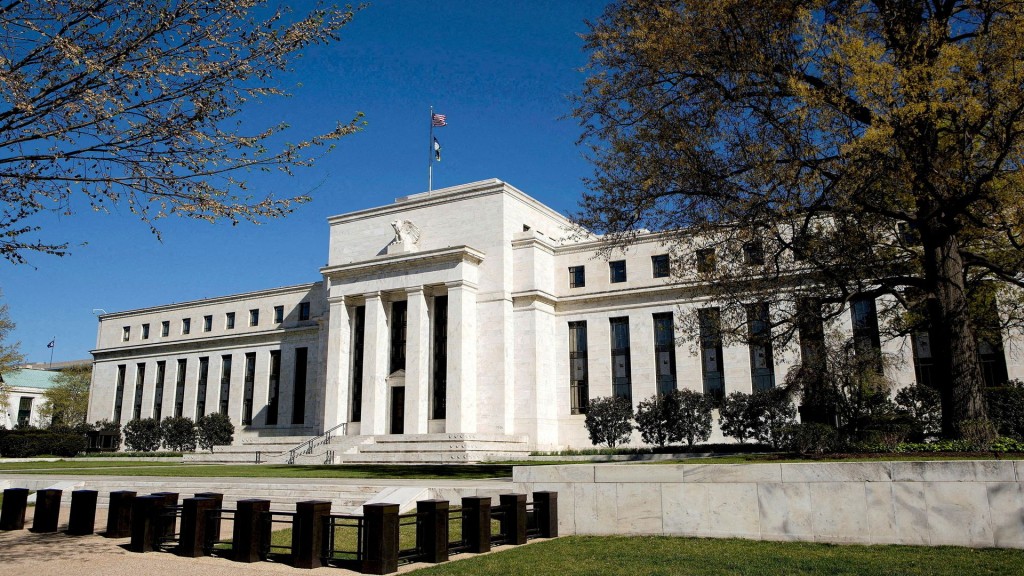
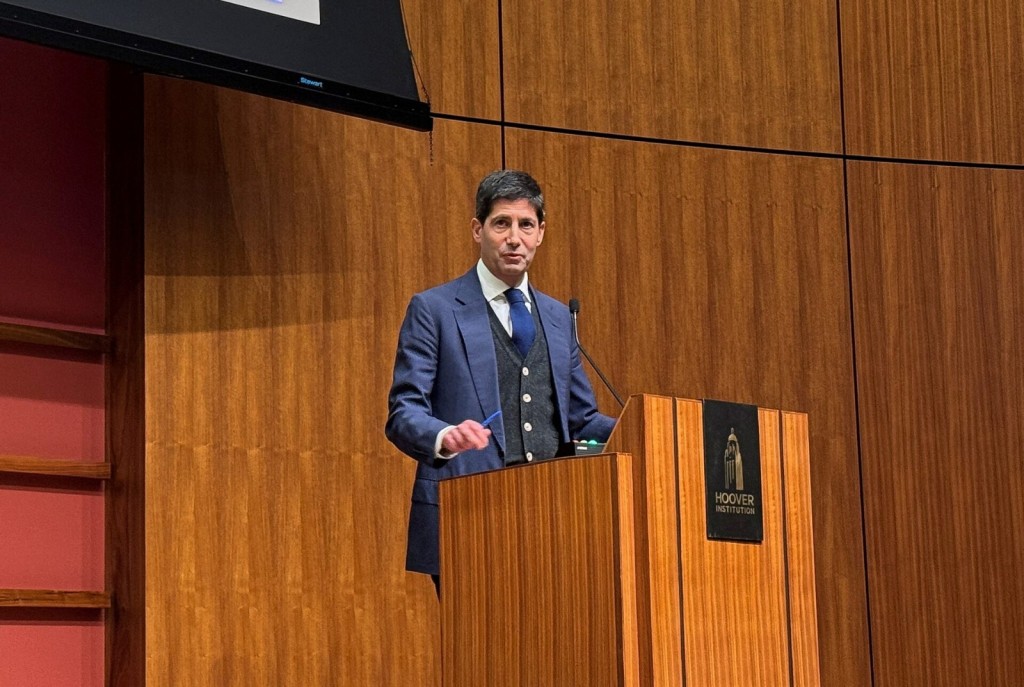
Further US Federal Reserve interest rate changes will need to be "finely tuned" to incoming data given risks to both the Fed's unemployment and inflation goals, Richmond Fed president Tom Barkin said on Tuesday.
"Both sides of our mandate bear watching. Unemployment remains low on a historic basis but has ticked up. Inflation has come down but remains above target," Barkin said in comments prepared for delivery to the Raleigh, North Carolina Chamber of Commerce.
Interest rates are now "within the range of estimates of neutral," the level that will neither encourage nor discourage investment and spending, Barkin said. "Going forward, policy will require finely tuned judgments balancing progress on each side of our mandate."
"No one wants the labor market to deteriorate much further," he said. "With inflation above target now for almost five years, no one wants higher inflation expectations to get embedded. It’s a delicate balance."
The Fed cut its benchmark interest rate by a quarter of a percentage point at its December meeting, but officials indicated they were likely to pause further reductions for now to get a better sense of the economy's direction, a process still hampered by the interruption of government statistical reports during last fall's government shutdown.
Barkin said it was clear the economy remained resilient, defying expectations of major disruptions to growth due to shifts in trade and immigration policy.
But the country enters the year with both downside and upside risks.
On the downside, Barkin noted that recent job growth and demand have been "narrow," driven by a small set of industries like health care, and in the case of demand sustained by the artificial intelligence boom and spending by higher-income consumers.
On the upside, Barkin, who is not a voter on rate policy this year, said the economy benefits from underlying strength, with uncertainty expected to lift this year and stimulus coming through recent tax and regulatory changes and the influence of Fed rate cuts over the past 16 months.
"Resilience has been enabled by strong underlying dynamics. Consumers have jobs. Real wages are increasing. Asset values keep growing. Corporate earnings and earnings outlooks remain strong," Barkin said. "In those circumstances, it’s hard to imagine consumers and businesses moving to the sidelines."
Chinese toymaker Pop Mart (9992) has added manufacturing facilities in Mexico, Cambodia and Indonesia as it broadens its supply network to meet surging global demand, the company said.
Pop Mart, best known for its toothy doll Labubu, does not operate its own factories but works with local manufacturing partners. The company said the partner-led network will boost capacity and improve global access to new products, without providing further details.
"It's a strategic move to expand and strengthen our supply chain to improve resilience, efficiency and service to our customers," Pop Mart said in a statement on Monday.
Previously the company's production bases were all located in China and Vietnam. The latest expansion follows Labubu's breakout success in 2025, which has boosted demand for Pop Mart's blind-box collectibles from China and Japan to US and Southeast Asia.
Pop Mart is pushing aggressively into the US market, aiming to add dozens of stores this year on top of the 60 they already have. The brand has emerged as a rare Chinese consumer success overseas.
In August the company said it was ramping up to expand capacity, with monthly plush toys output at around 30 million units, more than ten times from 2024.
Shares in Pop Mart closed at HK$199.50 on Tuesday, down about 40 percent from their August peak on concerns about how long the Labubu boom would last.
Samsung to double AI mobile devices to 800 million units this year
Reuters