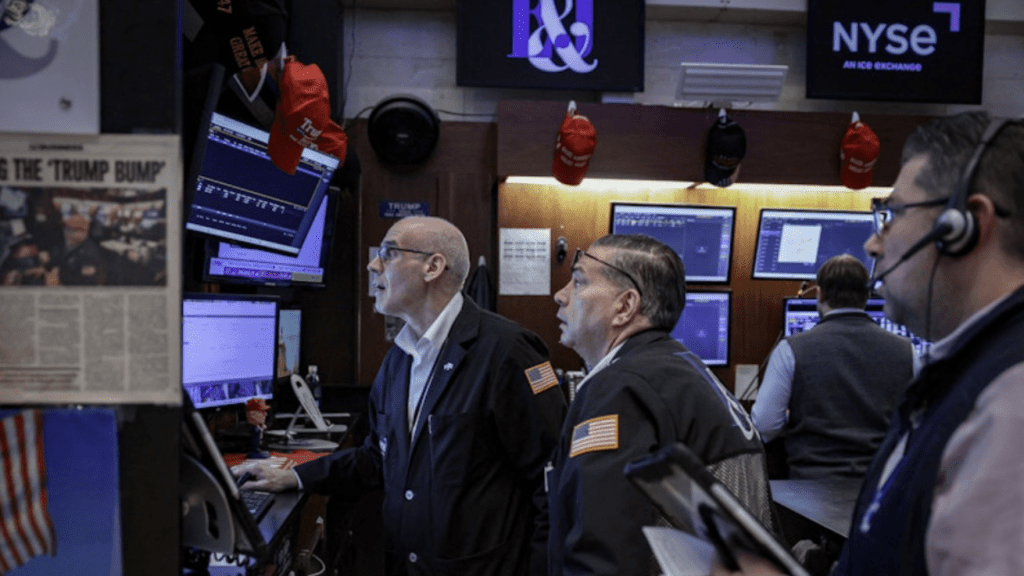
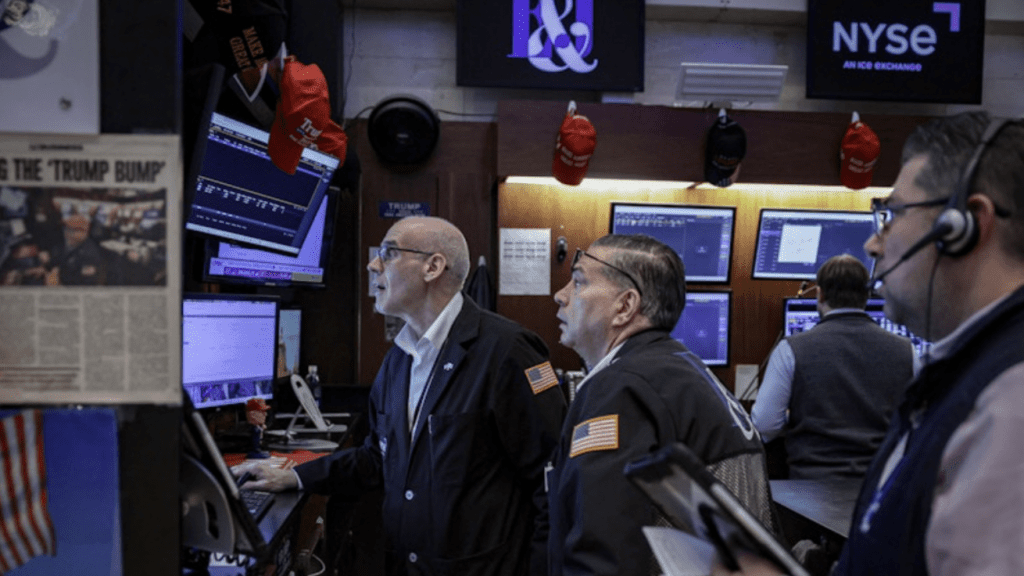
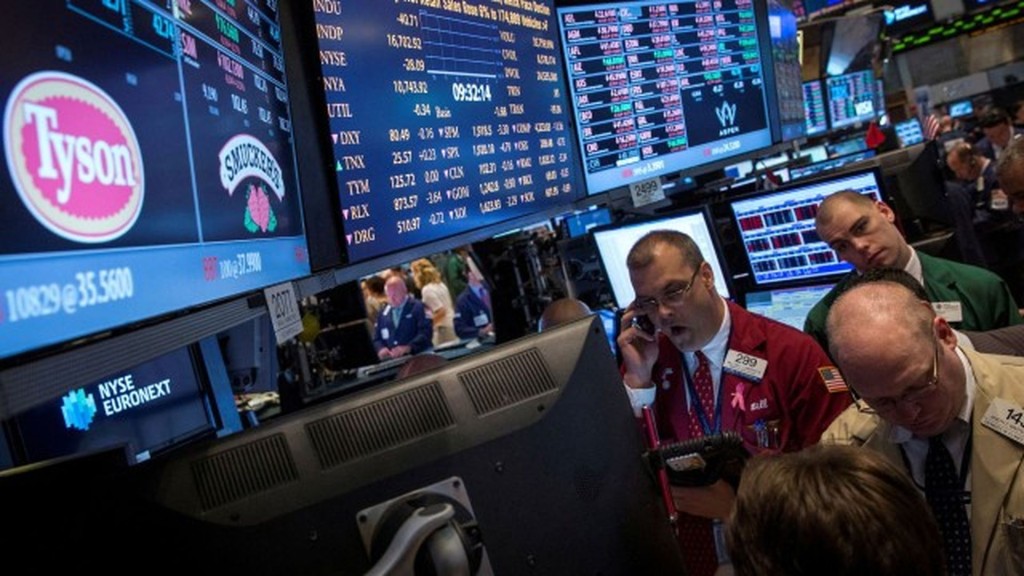
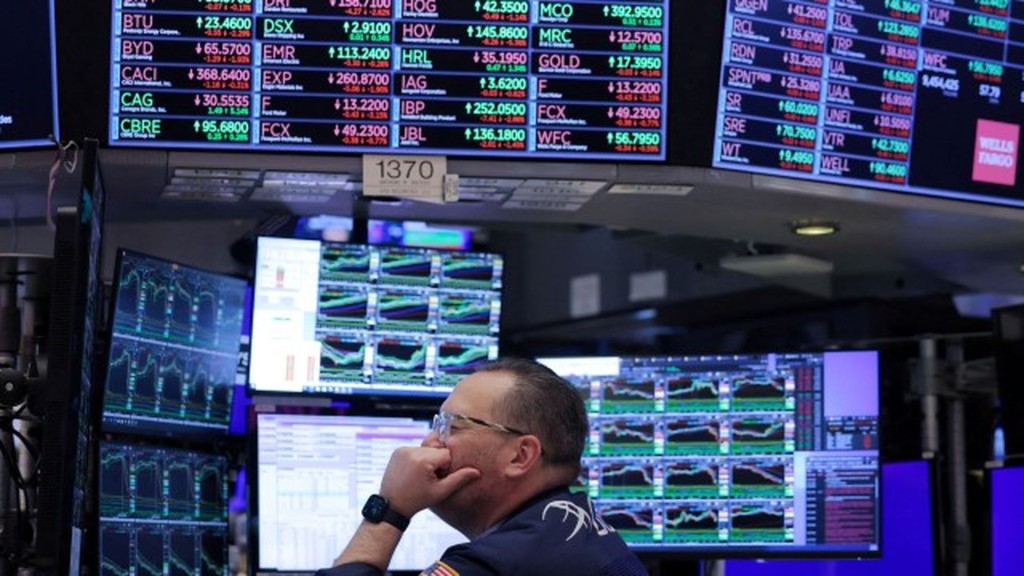
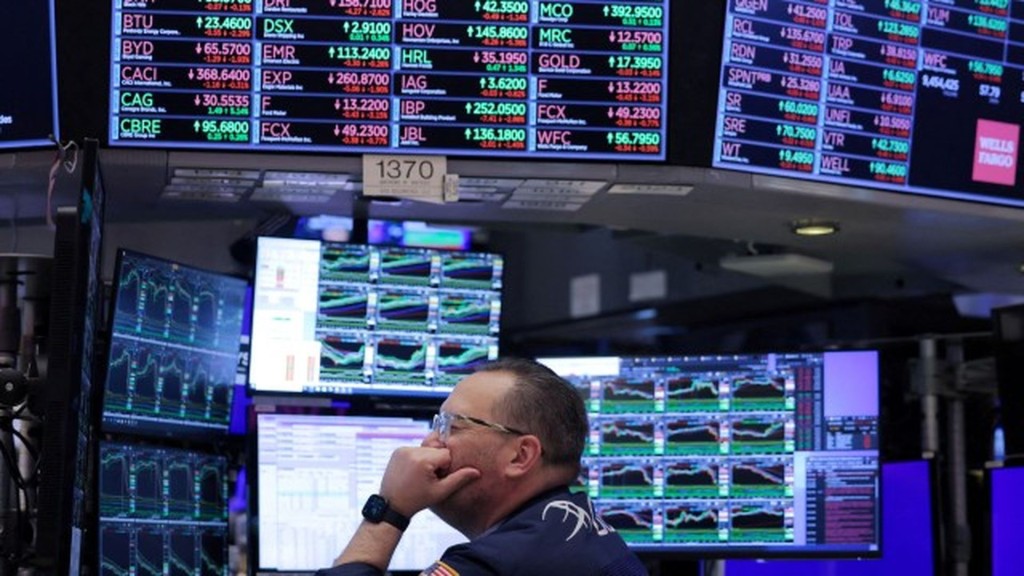
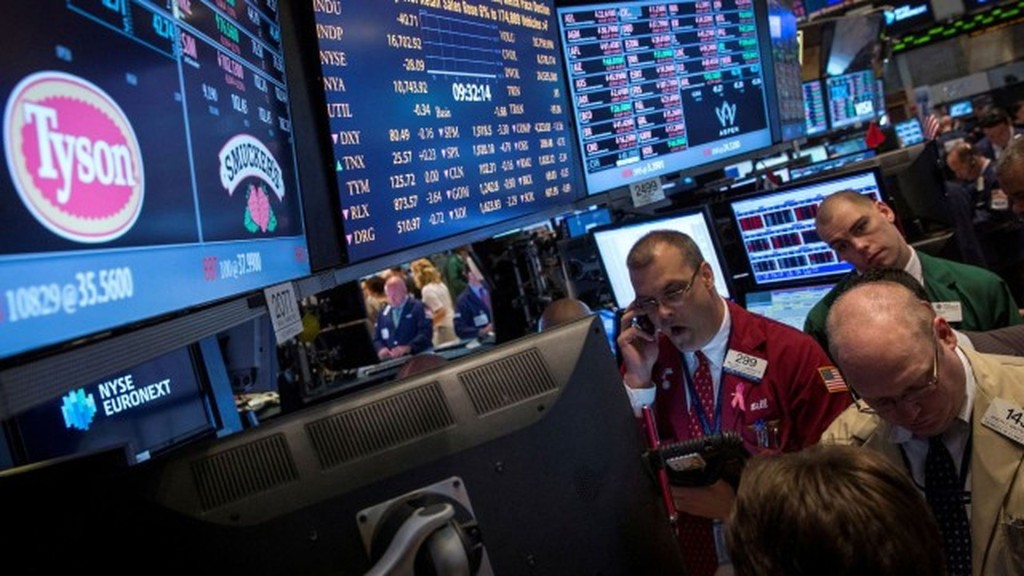
U.S. stocks rebounded on Wednesday from the previous day's selloff as jitters over inflated tech stock valuations abated and upbeat earnings and better-than-expected economic data fueled optimism.
A broad rally sent all three major U.S. equity indexes higher, with a bounce-back in tech and tech-related momentum stocks leading the charge.
Technology and artificial intelligence-related shares have muscled the stock market to record-breaking highs in recent months, leading to worries of inflated valuations and prompting Wall Street executives to issue pullback warnings. Those worries came to a head on Tuesday, when the S&P 500 and the Nasdaq posted their largest single-day percentage drops since October 10.
Even so, investors viewedthe selloff as healthy profit-taking.
"Valuation concerns are very legitimate and a 10% to 15% short-term correction is something that should be anticipated at any time," said Oliver Pursche, senior vice president at Wealthspire Advisors, in New York.
"There is a little bit of a mentality amongst investors that if there's a pullback, it'll be short-lived and things will bounce back, therefore buy the dip and don't worry."
The U.S. Supreme Court raised doubts over the legality of U.S. President Trump's market-jarring tariffs in a case with global economic implications that tests the extent of his powers.
Beijing said it would lift some retaliatory tariffs on U.S. imports, but maintained 10% levies imposed after what Trump called Liberation Day on April 2. Imports of U.S. soybeans, however, will still face a 13% tariff.
ADP's National Employment Report showed private payrolls rebounded in October, increasing by 42,000. Still, the labor market is showing signs of weakness as some sectors continue to shed jobs. A separate report showed the U.S. services sector expanding, even as it loses jobs and contends with the highest input costs in nearly three years.
A congressional impasse has resulted in what is now the longest-ever U.S. government shutdown, which has forced investors and the data-dependent Federal Reserve to rely on private sector indicators.
Third-quarter earnings season remains in full force as it barrels toward the last stretch. So far, 379 of the companies in the S&P 500 have reported, 83% of which topped Wall Street expectations, according to LSEG data.
Analysts now predict aggregated S&P 500 earnings growth of 16.2% year-on-year for the July-September period, more than double the 8.0% growth expectations at the beginning of the quarter, per LSEG.
"I don't know a single strategist that sat there in late March or early April, as tariffs are starting to hit and a selloff started to occur, that was predicting a double-digit return for the S&P by year-end," Pursche added.
The Dow Jones Industrial Average .DJI rose 267.14 points, or 0.57%, to 47,352.38, the S&P 500 .SPX gained 51.67 points, or 0.77%, to 6,823.47 and the Nasdaq Composite .IXICclimbed 266.72 points, or 1.14%, to 23,615.36.
McDonald'sMCD.N gained 2.6% after the fast-food chain beat same-store sales estimates as affordable meal offers boosted demand.
Match Group's MTCH.O fourth-quarter revenue forecast landed shy of expectations. Even so, the Tinder parent's shares jumped 5.9%.
AmgenAMGN.O gained 7.9% in the wake of the drugmaker's profit beat.
Bank of America BAC.N slipped 1.5% even though the lender raised its profitability target.
Health insurer Humana HUM.N dropped 7.4% after it reported third-quarter results, while Johnson Controls JCI.N, jumping 9.1%, was among the biggest gainers on the S&P 500 after its stronger-than-expected 2026 profit forecast.
Super Micro ComputerSMCI.O tumbled 9.5% in the wake of the company's disappointing results.
Democrats swept the first election of Trump's second term, with the passage of California's redistricting ballot measure boosting the party's chances to regain control of the House of Representatives in next year's midterms.
Reuters