Read More



Anthropic unveils Claude Opus 5.5
21 hours ago


Meituan pledges 30bn yuan for instant retail
22-09-2026 21:00 HKT
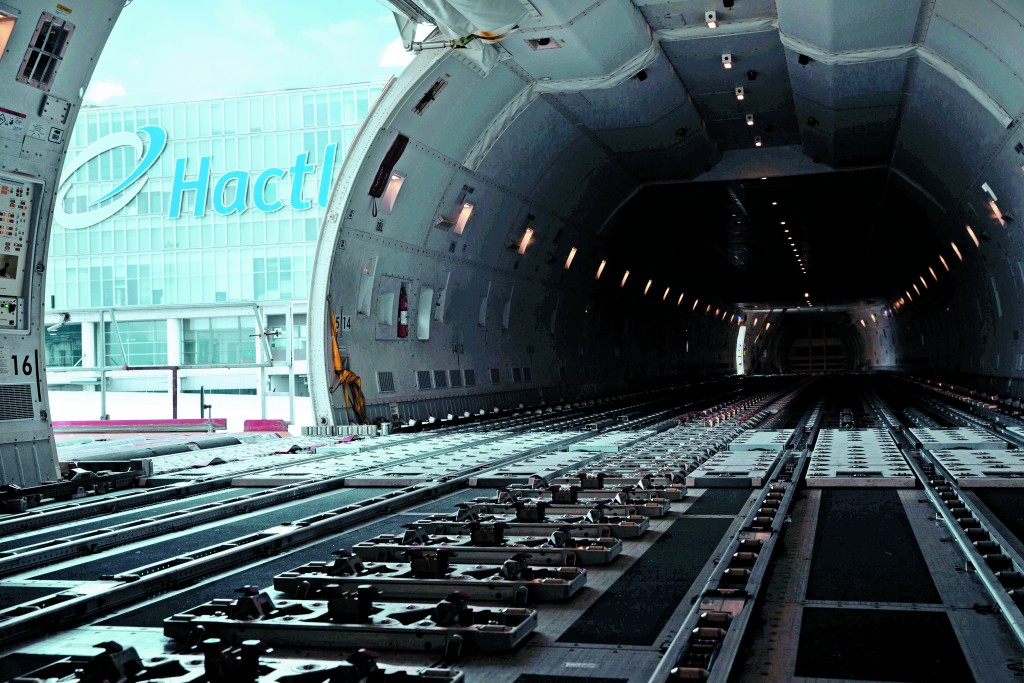
From fine cuisine at restaurants and fresh produce at supermarkets, to artistic masterpieces in museums and horses on the racetracks, many of these things we take for granted would have been out of reach if not for the work of an indispensable industry: air freight.
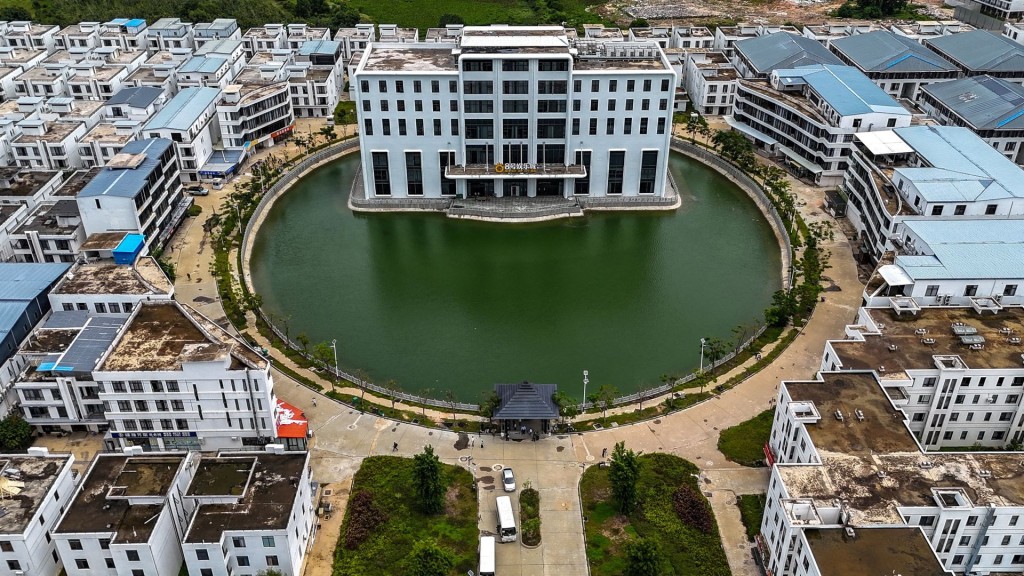
Air cargo terminal operator Hong Kong Air Cargo Terminals Limited, or Hactl, celebrates its 50th anniversary this year. Located in Chek Lap Kok, its SuperTerminal 1 – the world's largest multi-level air cargo terminal – connects over 100 airlines, 1,000 logistics service providers, and partners such as the Customs and Excise Department, and handles up to 3.5 million metric tons of cargo annually.
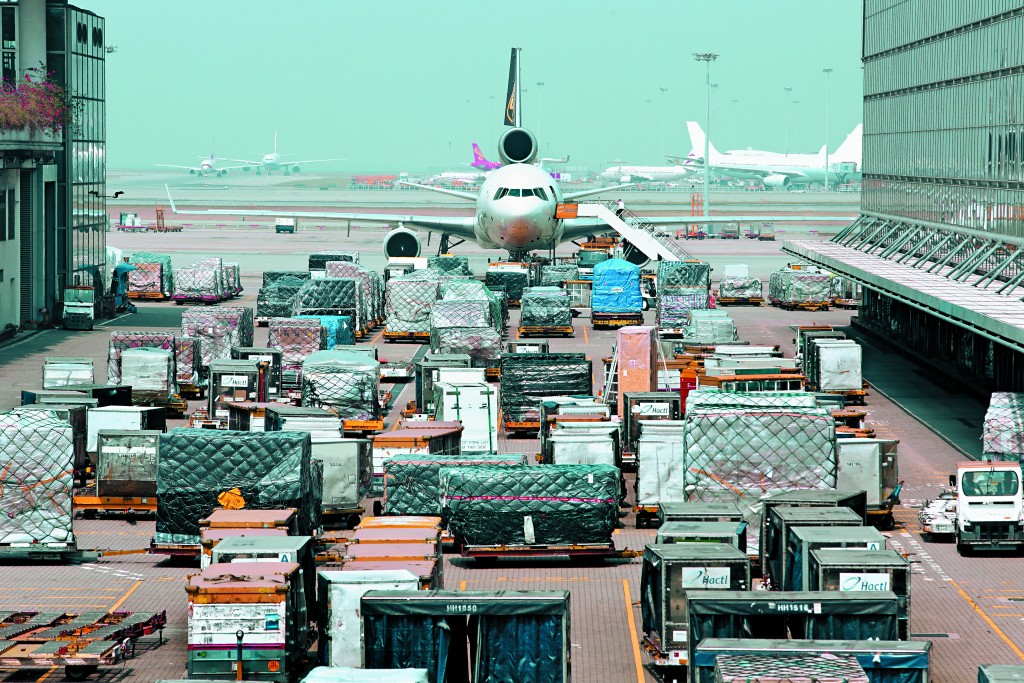
"Today, Hactl has grown into one of the world's most respected and multi-award-winning air cargo terminal operators," said chief executive Frosti Lau Yi-sau. "We have witnessed and actively participated in Hong Kong's development into a world-leading aviation and logistics hub, making significant contributions to Hong Kong International Airport's repeated ranking among the world's busiest cargo airports."
Half a century ago, Hong Kong's manufacturing industry took off, propelling it to fame as one of the "Four Asian Tigers" – but the air transport industry was still finding its feet.
Faced with the near-saturation of Kai Tak Airport's operating space, the government in 1971 came up with a plan: to form a concession company owned by local enterprises and the Hong Kong government to operate an integrated air cargo terminal, serving the more than 30 airlines that arrived in Hong Kong at the time.
This marked the beginning for Hactl. Despite the limited expertise – even globally – in running an integrated air cargo terminal, with rigorous data analysis, former managing director Anthony Charter devised a blueprint: dividing the double-decker terminal into truck parking spaces and cargo loading and unloading stations, and using lift-and-transfer vehicles for automated transport.
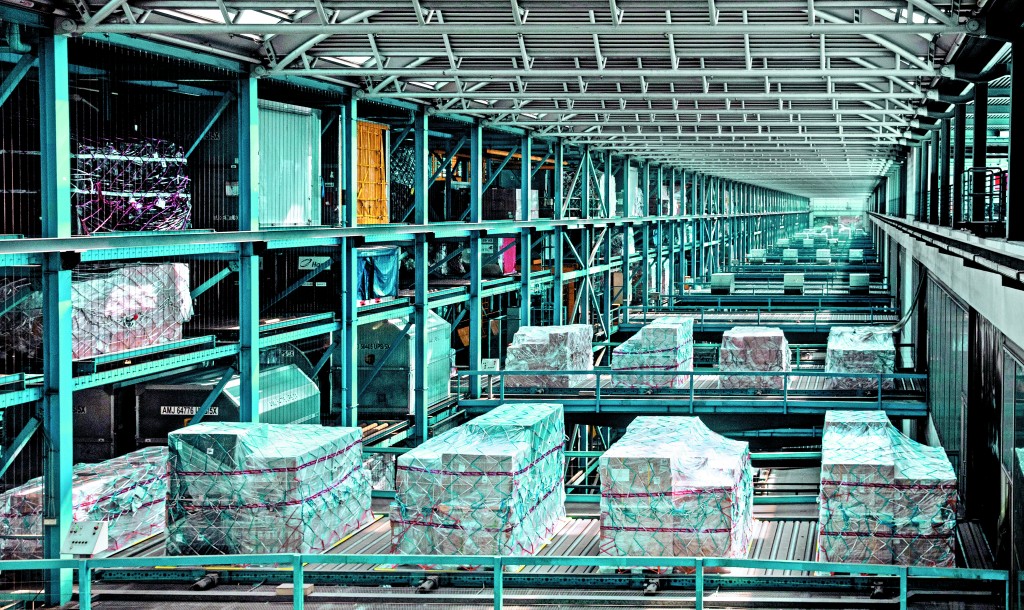
Within six months of its official opening, Hactl was handling cargo from up to 40 of Kai Tak Airport's daily 100 flights, as well as approximately 300 trucks entering and leaving the terminal daily. Hactl's operating procedures and manuals back then also evolved into the Community System for Air Cargo, or COSAC – a system subsequently adopted and adapted by numerous air cargo terminals worldwide.
Following the relocation of HKIA from Kai Tak to Chek Lap Kok, Hactl injected US$1 billion (HK$7.8 billion) into building a new cargo terminal, which eventually took shape as today's SuperTerminal 1.
With the opening of the new airport, however, new air cargo terminal operators cropped up, driving down Hactl's cargo volume at a time when the company was under pressure to repay the substantial investment in SuperTerminal 1.
Steering the company through this critical juncture, former managing director Anthony Wong See-ho set Hactl on the course of investing heavily in innovative technology to improve productivity.
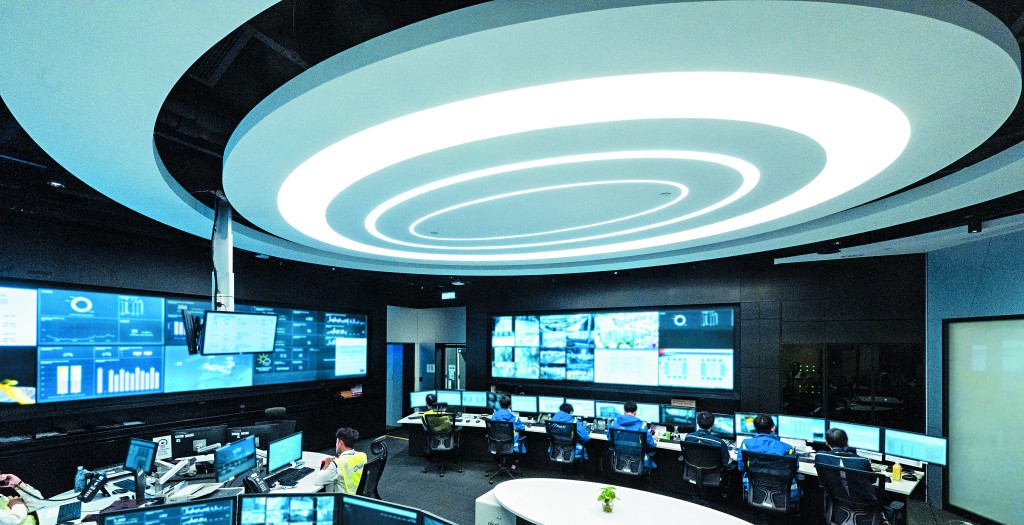
One of the successes that sprang from this strategy is the Integrated Hactl Control Centre, which can predict cargo volume for the next eight hours, allowing the team to allocate manpower and resources in advance. By 2022, Hactl became the world's first air cargo terminal to obtain all four of International Air Transport Association's CEIV accreditations, including Pharma, Fresh, Live Animals, Lithium Batteries.
Hactl also dedicates considerable expertise to taking care of a special type of cargo: racehorses. Noise is minimized during transport to avoid disturbing the horses, and the terminal provides flat ramps to protect their limbs. Meanwhile, Hactl's horse handling centers helps ensure they are well-rested before strutting onto the racecourse.
Apart from its demonstrable dominance in the air freight industry, Hactl has championed a people-oriented work culture and sustainable practices.
To maximize comfort for its staff, SuperTerminal 1 was designed with glass walls to let in natural light. It envelopes a sports center featuring courts for squash, badminton, tennis and basketball, as well as an outdoor swimming pool. Outside the center, a jogging track meanders through landscaped green spaces, providing a fresh oasis for its staff working away from the city center.
Sustainability has become a core value of Hactl since 2018 when, under the leadership of former chief executive Wilson Kwong Wing-chuen, the company hosted the industry's first upcycled fashion show.
In the years that followed, Hactl initiated the "Zero Waste Uniform Upcycling Project" to upcycle old employee uniforms into various practical items, and advocated for menstrual equity to promote menstrual-friendly environments for both within and beyond the workplace.
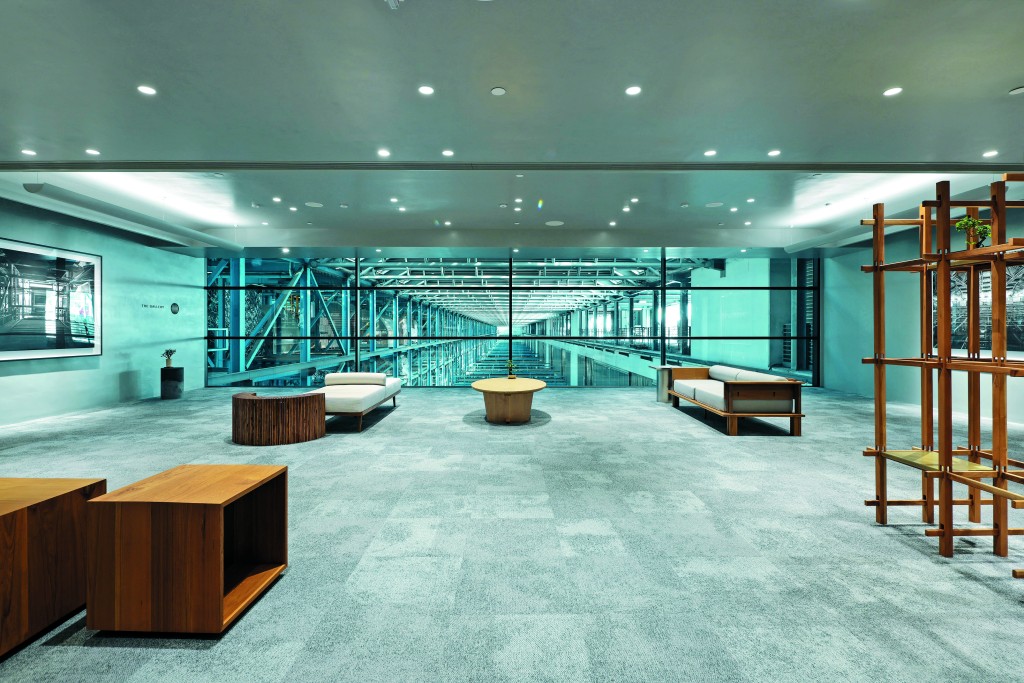
In its 2019 office renovation, Hactl transformed an original meeting room into "The Gallery," a space with furniture and installations made from locally-sourced discarded timber as well as commonly used tools from the freight terminal. The project received a Platinum rating from the Hong Kong Green Building Council's BEAM Plus Interiors Version 1.0.