Read More
Breast cancer remains the most common cancer among women in Hong Kong, and new local survey findings highlight far. Majority of Hong Kong breast cancer patients respondents report persistent anxiety and knowledge gaps. Despite a high rate of early detection—about 85% of patients are diagnosed at an early stage—the threat of recurrence can persist for up to 20 years after treatment. Thus, experts urge timely recurrence risk reduction and adjuvant therapy options.
ADVERTISEMENT
SCROLL TO CONTINUE WITH CONTENT
Survey Finds Patient Deeply Concerned
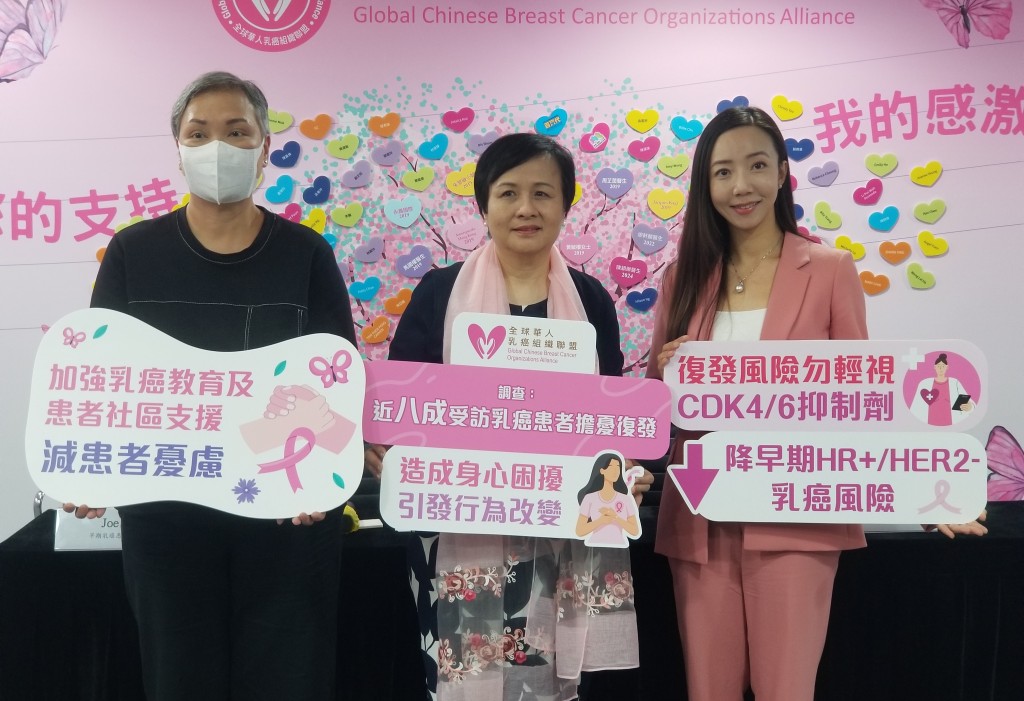
A recent survey led by the Global Chinese Breast Cancer Organizations Alliance (GCBC) revealed nearly 80% of Hong Kong breast cancer patients respondents are highly concerned about recurrence, with almost 70% reporting ongoing physical or psychological distress. Over half experience emotional challenges such as anxiety and fear, and one in five notes behavioral changes.
“These burdens affect patients and their families and should not be overlooked,” said Mary Hemrajani, Chairman of the Global Chinese Breast Cancer Organizations Alliance.
Notably, almost 20% of respondents were uncertain about their cancer subtype or lymph node status, underlining gaps in patient education and understanding. This reflects that they still have insufficient understanding of their personal health status.
Adjuvant therapy after surgery
According to Dr. Lee Wai Man Sarah, Clinical Oncologist, that emphasize recurrence risk is significant in both low- and high-risk cases, including features such as positive lymph nodes and larger tumors. Besides, research shows patients with tumors ≤5cm and no lymph node involvement still face a 13%–19% risk of recurrence between 5 and 20 years post-diagnosis.
Advances in care, including the use of targeted therapies CDK4/6 inhibitors alongside hormone treatments, are now providing promising options for hormone receptor–positive breast cancers. For stage II–III high-risk HR+/HER2– patients, combining these treatments can reduce recurrence risk by up to 29% at 4 years, helping patients regain peace of mind and quality of life.
Joe is an early breast cancer patient diagnosed with stage III HR+/HER2-. She has undergone surgery, chemotherapy, and radiotherapy, and is now receiving hormone therapy. Despite this, she often worries about recurrence, fearing its impact on her health and family responsibilities, as she is also a caregiver. Whenever experiencing pain in her breast, back, or abdomen, she fears the possibility of relapse or metastasis. She tries to stay positive by relaxing, attending regular checkups, and joining patient support groups. She is now open to learning about new adjuvant therapies to further reduce her risk of recurrence.
Beyond active treatment, maintaining healthy daily habits—regular exercise and a balanced diet—can help lower the risk of recurrence and improve quality of life. GCBC and Dr. Lee urge breast cancer patients to discuss their individual recurrence risk and adjuvant treatment options with their healthcare teams, ensuring action is taken within the optimal time window to reduce recurrence risks.