Read More










HKO forecasts showers Tuesday, tracks possible cyclone east of Philippines
21-09-2026 17:31 HKT

John Lee and CY Leung lead pallbearers for Tung Chee-hwa
20-09-2026 15:54 HKT



As family wealth grows more international, 38 percent of family offices expect greater family globalization over the next five years amid inflation-related concerns, with the APAC region outperforming the global market, according to Citi Wealth 2026 Global Family Office Report.
The report surveyed more than 350 family offices across over 40 countries in June and July, with 22 percent based in APAC. Of these APAC family offices, 22 percent achieved year-to-date returns above 15 percent.
Family offices enter the next 12 months favoring global developed equities, private markets, and selected alternatives. While most plan to keep allocations steady, net flows are expected to shift toward equities, hedge funds, private equity and real estate, supporting growth, diversification and long-term returns.
APAC family offices reported the highest portfolio outperformance, supported by direct investing and artificial intelligence opportunities. Their ambitious targets were evident, as 22 percent aimed for annual returns exceeding 15 percent – nearly double the global average.
“Family offices across Asia Pacific have evolved to become increasingly sophisticated, requiring the talent, setup and governance for a sovereign wealth fund-like investment mindset,” said Bernard Wai, head of Asia for integrated client solutions and global family office at Citi Wealth.
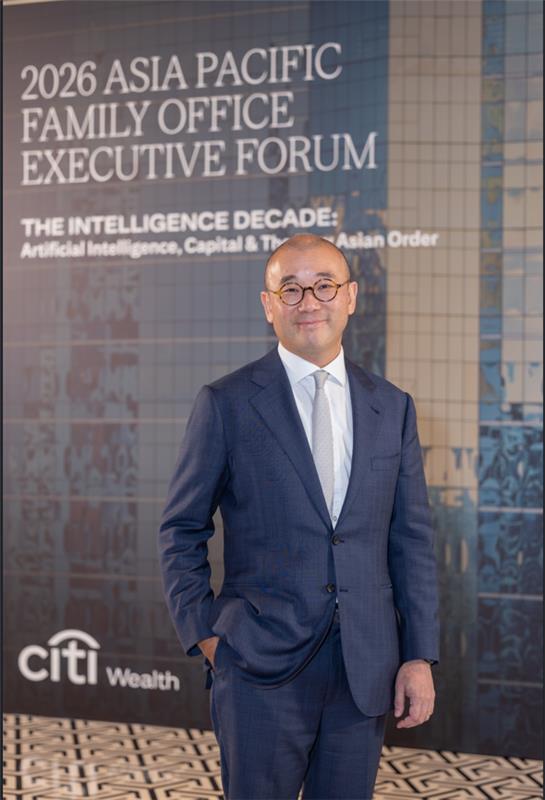
Notably, their investment strategy focused on artificial intelligence, with 80 percent identifying AI as a primary sector, the highest of any region, complemented by strong interest in healthcare, robotics, and software opportunities. Direct investment remains a key theme, recording the highest global participation rate of 79 percent, with pre-IPO investments leading this priority.
Globally, nearly two-thirds of respondents cited inflation as the dominant concern for family offices, followed by 44 percent in interest rates and 38 percent in global financial system stability – highlighting continued attention to monetary policy and broader systemic risks.
Meanwhile, market volatility and the Middle East conflict remain important though secondary to inflation-related concerns. Also, concerns about trade disputes and tariffs and US-China relations have fallen behind broader economic issues – only 18 percent and 22 percent of respondents cited these concerns, respectively.
In the APAC region, over half of respondents highlighted top concerns about global financial system stability and market volatility. The report noted that the heightened sensitivity may be due to the oil blockade in the Strait of Hormuz, as 85 percent of oil destined for Asian markets travels through this channel.