






Read More








Officer injured in 2005 knife attack dies after over 20 years paralysed
17-09-2026 00:27 HKT

Naked woman spotted strolling through Lan Kwai Fong late at night
16-09-2026 18:04 HKT


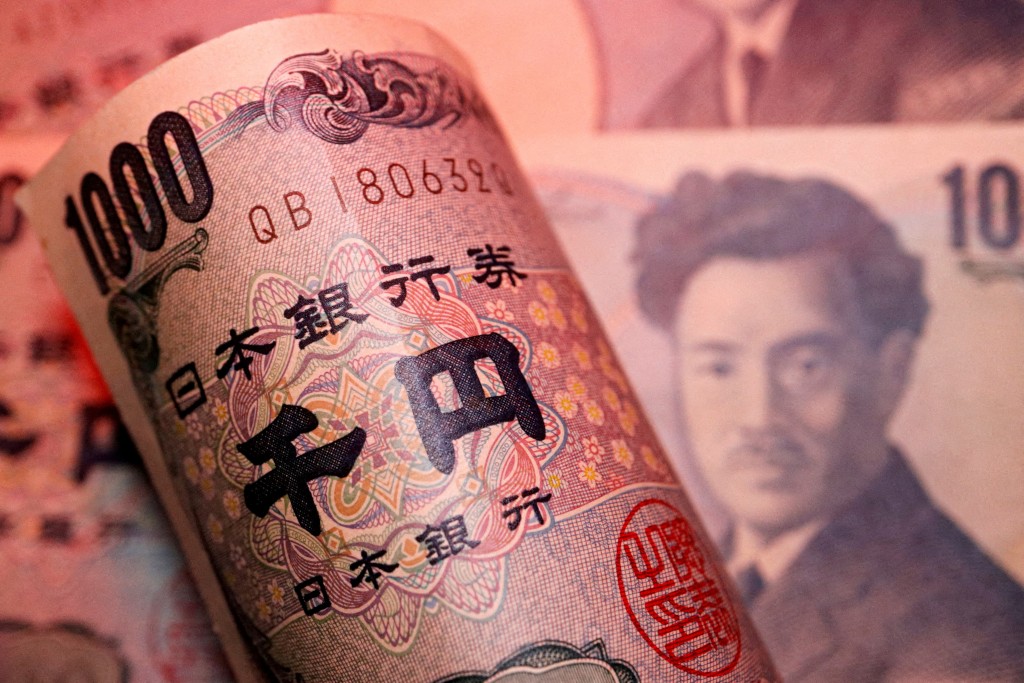
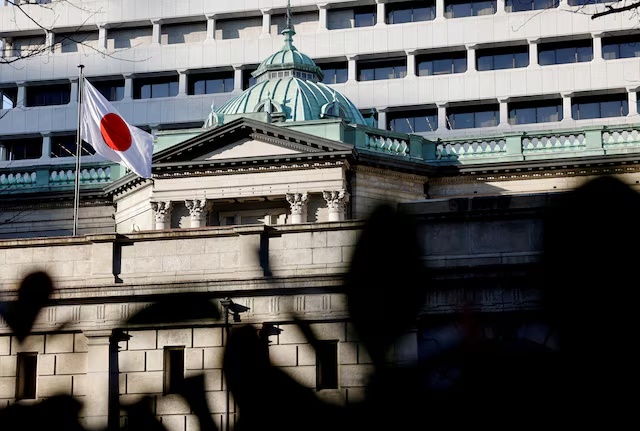
The yen leapt on Monday, while stocks and bonds fell after Tokyo confirmed a rare joint currency intervention with Washington to pull the Japanese currency off four-decade lows.
The yen jumped as much as 1.4 percent in the Asian morning 155.20 per US dollar, a level last seen on May 6. The sudden surge provoked speculation among market participants of another round of intervention, following the joint action last week, with the yen surging 3.8 percent over Thursday and Friday.
However, Japanese Finance Minister Satsuki Katayama declined to comment on whether her ministry had intervened in the market on Monday.
"The coordinated intervention has materially raised the cost of betting against the yen," said Charu Chanana, chief investment strategist at Saxo. "It not only caught speculative positioning offside but also increased the risk of follow-up action, which should make investors more cautious about rebuilding aggressive short-yen positions."
The sudden strength in the local currency weighed on Japanese stocks. The Nikkei retreated sharply from Friday's one-week high, sliding as much as 2.6 percent in the morning session, while the Topix tumbled 3.1 percent. A stronger yen slashes the value of overseas revenue for the country's many heavyweight exporters.
Automakers. were the worst performers among the Tokyo Stock Exchange's 33 industry groups, dropping 4.2 percent. Toyota slumped 4.6 percent.
Japanese government bonds also declined, sending yields higher, as some investors took joint intervention as a signal for an accelerated pace of Bank of Japan policy tightening.
"Japan and the US conducted joint currency intervention, which means Japan is under pressure to support the yen with fundamentals this time, such as with monetary policy," said Rinto Maruyama, senior strategist of FX and rates at SMBC Nikko Securities.
The yen has been under pressure for years, undermined by the BOJ's gradual approach to monetary policy tightening, which has kept yield differentials wide between Japan and the rest of the world.
US Treasury Secretary Scott Bessent said Washington "will not hesitate to participate in further joint intervention," while repeating calls for further interest rate hikes from Japan's central bank.
The BOJ kept its policy rate steady on Friday, but warned for the first time that underlying inflation could exceed its target and said future policy discussions would focus on upside price risks.
The yield on Japan's 2-year government bond the tenor most sensitive to monetary policy expectations, rose as much as 4 basis points to 1.545 percent, a three-decade high.
The 10-year JGB yield added 2 basis points to 2.815 percent.
"Bessent's comments arguably carry more weight than the intervention itself," said Matt Simpson, senior market analyst at StoneX. "It feels like a safe bet that the Japanese yen has troughed for the year."
Reuters