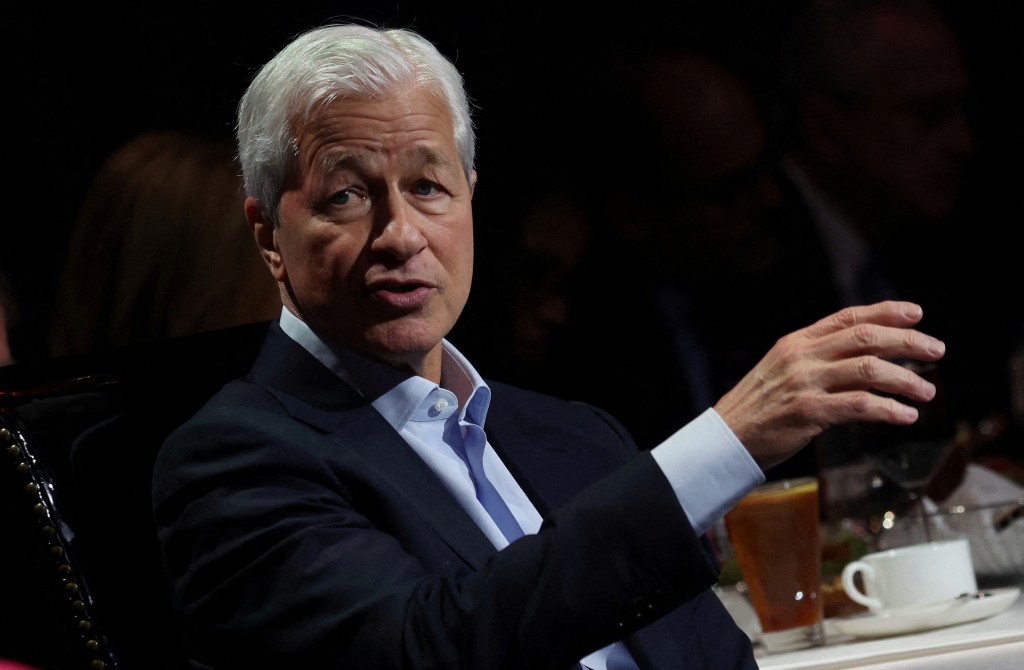
JPMorgan Chase chief executive Jamie Dimon said on Wednesday a proposed 10 percent cap on credit card interest rates by the Trump administration would be an economic disaster, but added that the bank would survive the impact.
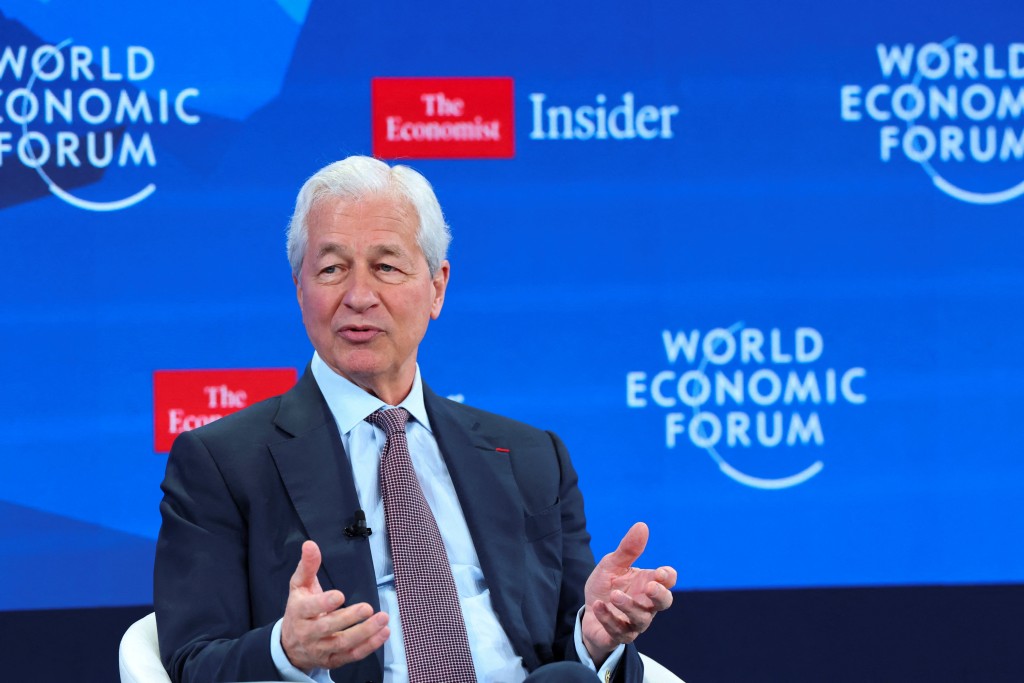
"It would remove credit from 80 percent of Americans, and that is their back-up credit," the long-time chief of the largest US bank said at the World Economic Forum in Davos.
US President Donald Trump called for the cap earlier this month, without detailing how the plan would be implemented, while Wall Street analysts said such a move would require legislation and had slim odds of getting clearance.
Banking industry bodies have strongly pushed back against the move, arguing that it would impact credit access for everyday consumers.
"People crying the most will not be the credit card companies; it will be the restaurants, retailers, travel companies, the schools, the municipalities," Dimon said.
Trump, under pressure to address voters' cost-of-living concerns ahead of this year's congressional elections, proposed the move on his social media platform, blindsiding the industry and sending bank stocks tumbling.
Credit cards generate strong returns for banks, which charge high rates to compensate for the greater risk of default on card loans, which are unsecured.
Analysts have said card providers could make conciliatory gestures with innovative offerings, such as lower rates for certain customers, no-frills cards that could charge 10 percent but have no rewards, or lower credit limits.
"People will miss their water payments, this payment and that payment," Dimon said, adding that lawmakers should test if the move will work by implementing it in the US states of Vermont and Massachusetts.
His remarks echoed the views of other top banking CEOs.
In an interview with CNBC from Davos, Citigroup CEO Jane Fraser said earlier this week she does not expect Congress to approve caps on credit card interest rates.
"The president is right in focusing on affordability," Fraser said. "But capping rates would not be good for the US economy."
Reuters