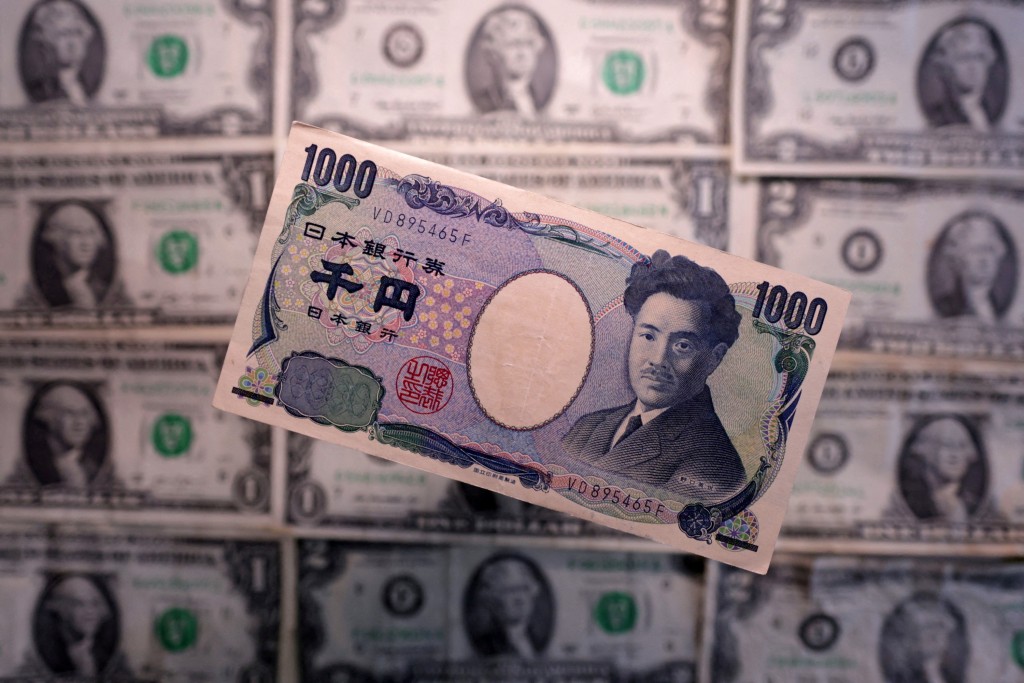
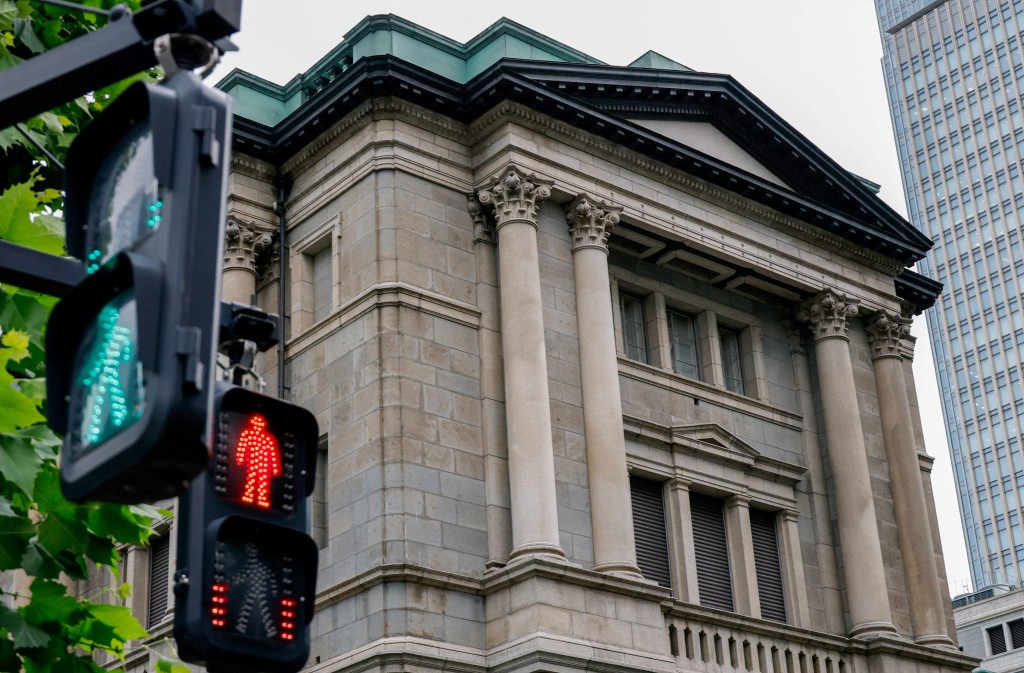
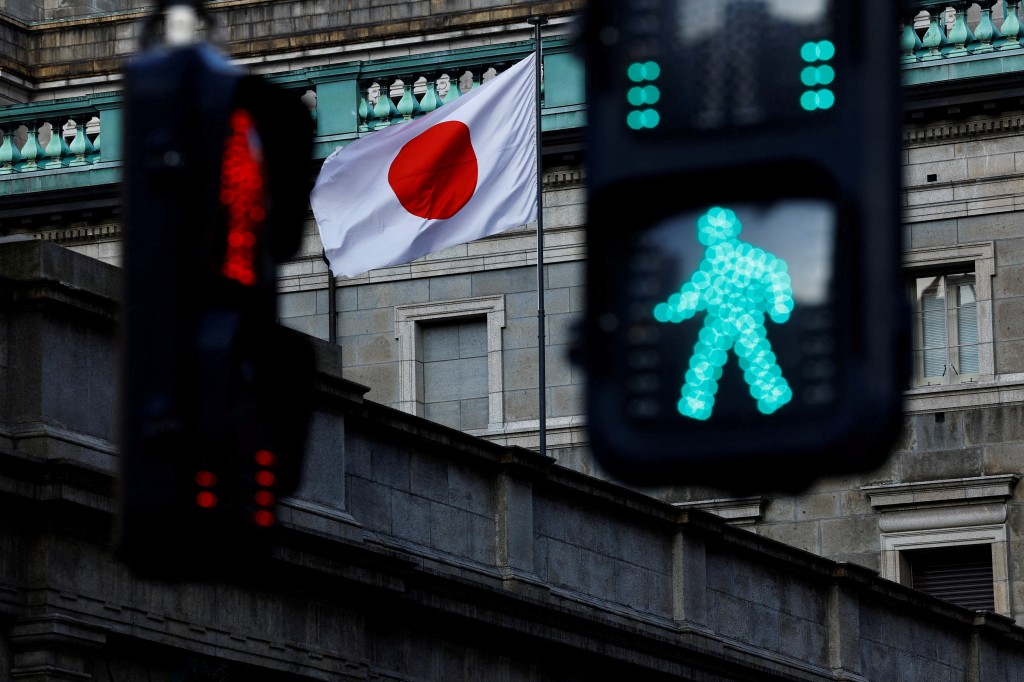
The Japanese yen tumbled to its weakest level against the US dollar since July 2024 on Wednesday on concerns about looser fiscal and monetary policy in the country.
The Japanese yen weakened against the US dollar to 159.09, hitting a one-and-a-half-year low, while the yen broke the 4.9 level to 4.89 against the HK dollar.
Japanese Prime Minister Sanae Takaichi may call an early general election, the head of her party's coalition partner said on Sunday, after media reported she was considering a February vote.
It would give Takaichi a chance to capitalize on the strong public approval ratings she has enjoyed since taking office in October.
“The implications for the yen are quite negative because Takaichi is a dove on both the fiscal and monetary fronts, so fiscally she would be very comfortable with a looser, higher deficit policy,” said Eric Theoret, currency strategist at Scotiabank in Toronto.
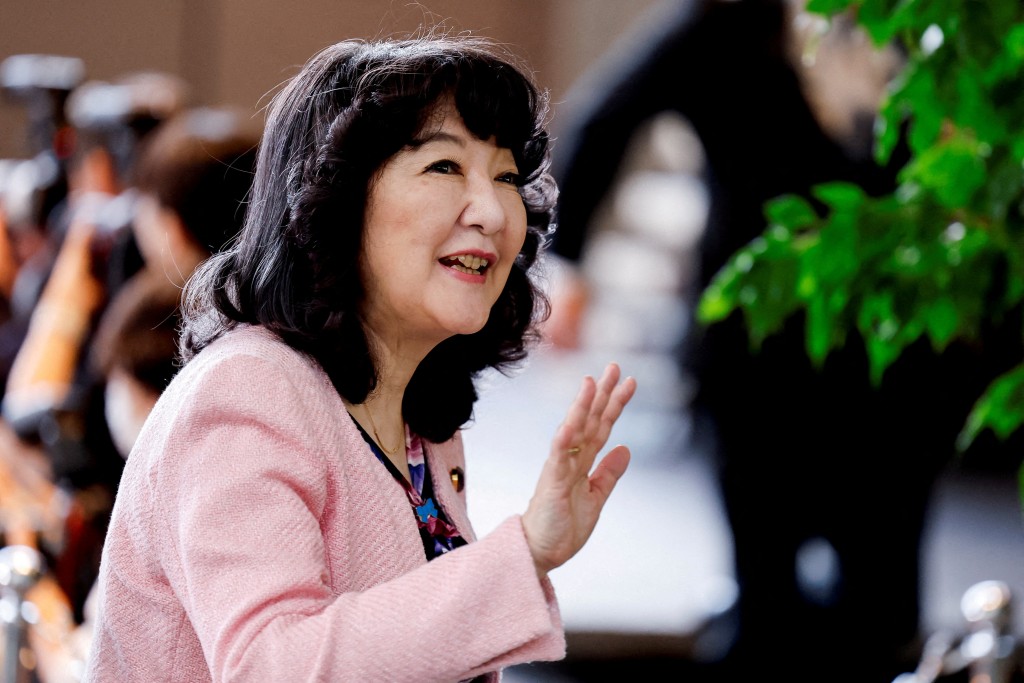
The rapid weakening in the yen is also putting traders on watch for a possible intervention to shore up the currency. Japan's Finance Minister Satsuki Katayama said she and US Treasury Secretary Scott Bessent shared concerns over what she called the yen’s recent “one-sided depreciation”, as Tokyo stepped up threats of intervention to stem the currency's fall.
“Japan's argument is that yen-buying interventions should be justified as the yen's recent weakness, despite the narrowing interest rate gap between the US and Japan, deviates from fundamentals,” said Hiroyuki Machida, director of Japan FX and commodities sales at ANZ.
“So intervention is possible anytime now, but my guess is that wouldn't happen till the yen hits 160 per US dollar,” She added.
Reuters and Staff reporter