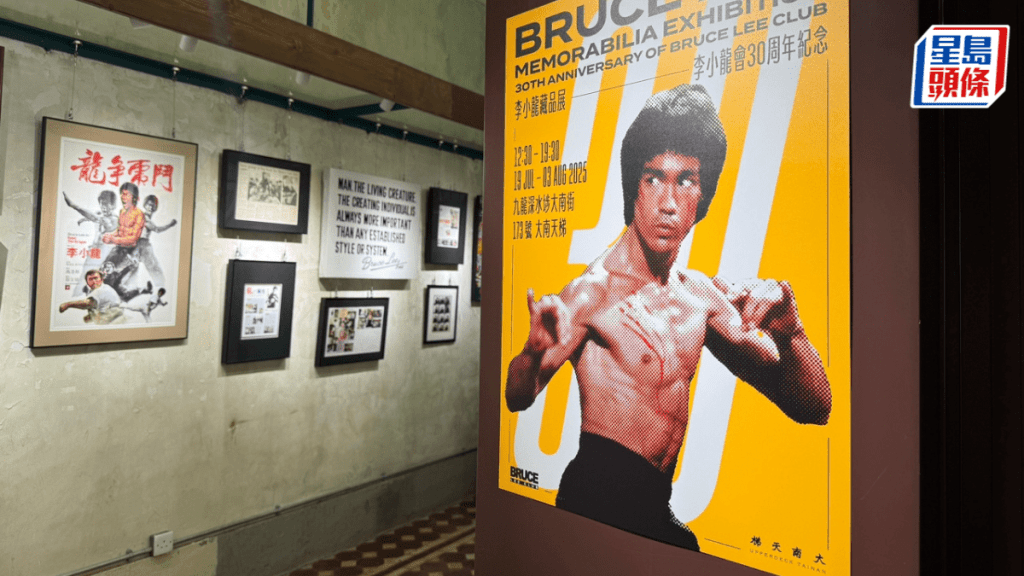
As the world commemorated the 52nd anniversary of martial arts legend Bruce Lee's passing on Sunday (Jul 20), questions and speculations regarding his sudden demise came back into the spotlight.
Born in San Francisco on November 27, 1940, Lee relocated to Hong Kong with his family during his youth, where he immersed himself in learning Wing Chun from Ip Man and eventually founded his own martial arts philosophy, Jeet Kune Do.
After beginning his career as a child actor due to his father's connections in the film industry, Lee ventured to the United States to study at the University of Washington from 1961 to 1964, where he opened his own martial arts studio in Seattle.
Rise of a martial arts icon
Lee also made guest appearances in various American TV shows before returning to Hong Kong to star in the action film "The Big Boss", which received immense acclaim and propelled him to international stardom.
Subsequently, movies like "Fist of Fury," "The Way of the Dragon," "Enter the Dragon," solidified his status as a martial art icon.
Lee's health first showed alarming signs on May 10, 1973, while dubbing for "Enter the Dragon". He reportedly vomited before slipping into a semi-coma.
Lee was rushed to St. Teresa's Hospital, where he regained consciousness two hours later and was diagnosed with high fever and low blood pressure. He remained in the hospital for a week for treatment.
The tragic fall of an icon
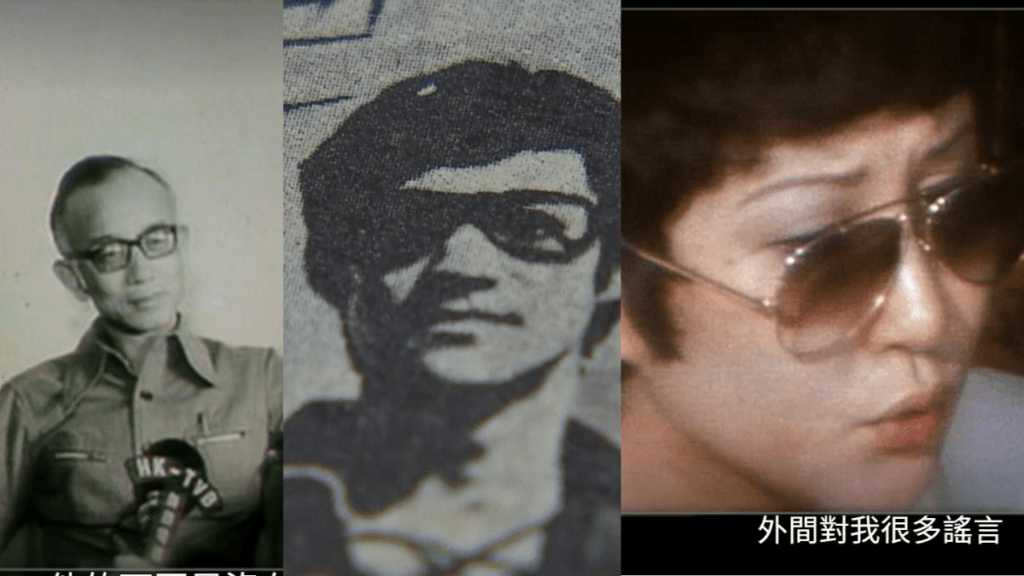
About two months later, Lee had a meeting regarding the film "Game of Death" with producer Raymond Chow Man-wai and actress Betty Ting Pei.
Before a scheduled dinner with Australian actor George Lazenby, Lee reportedly experienced a headache around 7 pm, where Ting offered him one of her aspirin, prescribed by her personal doctor for headaches.
After taking the pill, Lee rested but was later found unresponsive around 9 pm.
Chow returned to check on Lee and contacted Lee's private doctor around 9.40pm, where the absence of a pulse and cessation of heart activity were discovered.
An ambulance was called at 10.30pm. Despite paramedics' efforts to administer CPR and other emergency measures, Lee was pronounced dead at 11.38pm—just hours after taking the aspirin.
Lee's sudden demise shakes the world
Given Lee's fame and achievements, authorities conducted a thorough investigation into his passing, including an autopsy to determine the cause of death.
Traces of marijuana were found, but it was deemed insufficient to explain his sudden demise.
There were no symptoms of a head injury, brain hemorrhage, or stroke, and his organs were functioning normally, with the exception of modest brain swelling, which likely occurred minutes before his death but was not deadly.
The official cause of death was attributed to cerebral edema, triggered by hypersensitivity to the painkiller he ingested.
Insights from experts
Amid heated discussion over Lee's death, Spanish experts published a report in 2022, asserting that Lee's official cause of death, cerebral edema, was linked to his brain weighing 3.5 pounds at the time of death, slightly above the normal 3-pound weight.
The experts suggested that Lee may have consumed an excessive amount of water, leading to hyponatremia.
The research indicated that Lee engaged in behaviors that disrupted normal water-balancing mechanisms in his body, such as excessive water intake and consumption of fruit juice.
It is suggested that these behaviors could lead to symptoms such as nausea, headaches, convulsions, blurred consciousness, fatigue, and even seizures, potentially causing rapid brain swelling, leading to coma and ultimately death.
(Phoebe Poon)