Read More


Beyond the boardroom: showcasing Hong Kong’s unique charm to the world
21-10-2026 05:30 HKT


Veteran stock analyst Louie Shum Chun-ying dies at 65, obituary shows
25-10-2026 15:13 HKT
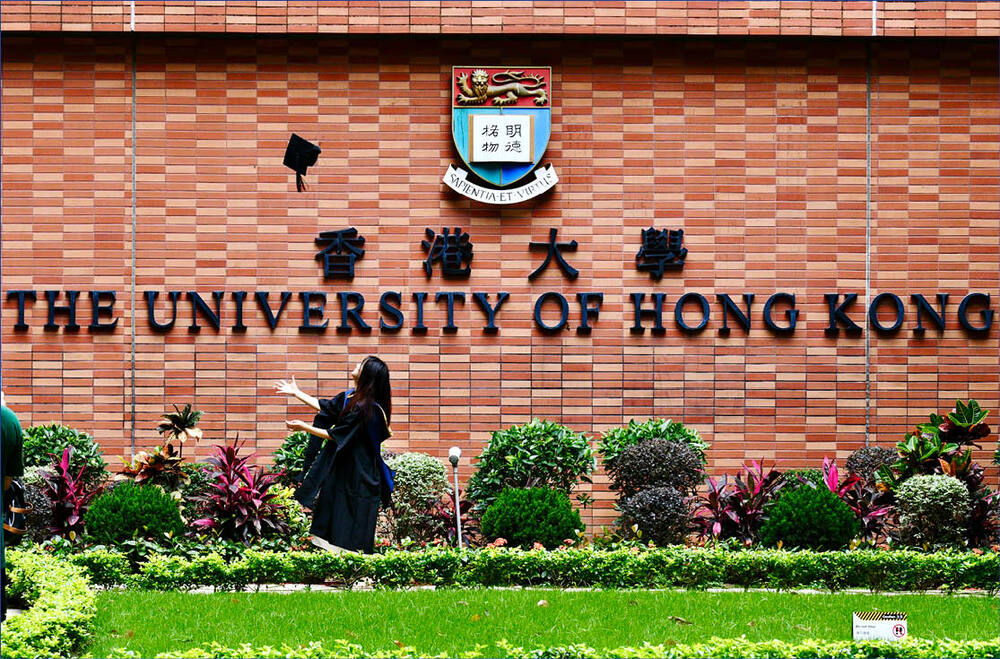
So it came as a total shock when its business school dean Cai Hongbin revealed to mainland media Caixin that a month of investigations by the school has already uncovered about 30 such cases, all involving Chinese students.
Perhaps even Choi should agree that, by any measure, this is an alarming figure that cannot be said to be "very small."
Cai also told Caixin that, according to his understanding as given by the legal affairs department, there had also been cases of students using fraudulent credentials at other faculties and that these students were being "handled internally."
Even though HKU enrolls hundreds of postgraduate students every year, no one can continue to play down the figure as "very small."What Cai revealed in the interview is a rather sophisticated network of fraud involving intermediaries and agents across borders.
If this has happened at HKU, it is unbelievable that it has not also occurred at other local universities, even though no one has ever admitted it. It is either that they do not know or that they do not want to talk about it openly.There is an obvious case for the Independent Commission Against Corruption to step in.
In her reply to lawmakers, Choi undertook to invite the ICAC to assist in reviewing admission procedures, provide opinions and formulate internal anti-corruption guidelines and other measures for all the city's publicly funded universities.That is the minimum price to pay. Should the ICAC also take the initiative to investigate if anyone at HKU was involved in the rather sophisticated network of fraud?
The intermediaries are engaged in an absolutely lucrative business as each applicant seeking to cheat to gain entry has to pay 500,000 yuan (HK$537,030) to the intermediary.If, as feared, 100 students were eventually identified, fraudulent admissions for 2023 alone would have generated 50 million yuan for the scam.
Based on Cai's account in the interview, the widespread situation would have likely gone unnoticed if he had only followed the usual practice to pass known cases to the university management for internal handling and not a blanket approach requiring all business-school masters students to resubmit their credentials for thorough examination.This may be the tip of an iceberg, not merely for HKU but also other universities.
In light of the unsettling findings, it is necessary for other universities to re-examine the credentials of their masters students.A silver lining of the scandal is that the HKU business school discovered the loophole in time before it is too late as the government is sparing no effort in transforming Hong Kong into an education hub for international students.
Pluck up the courage to face the matter squarely.