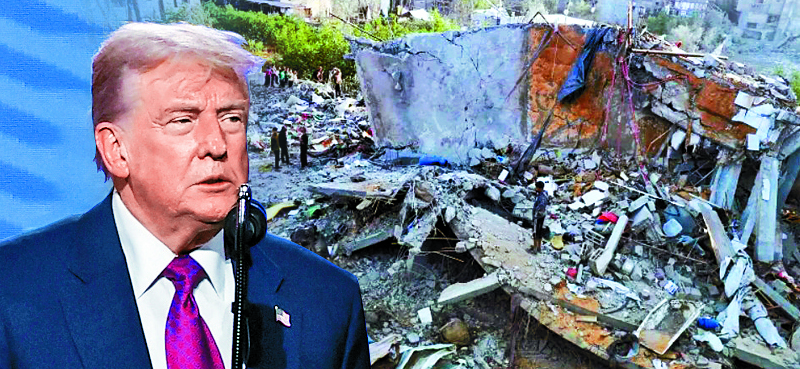
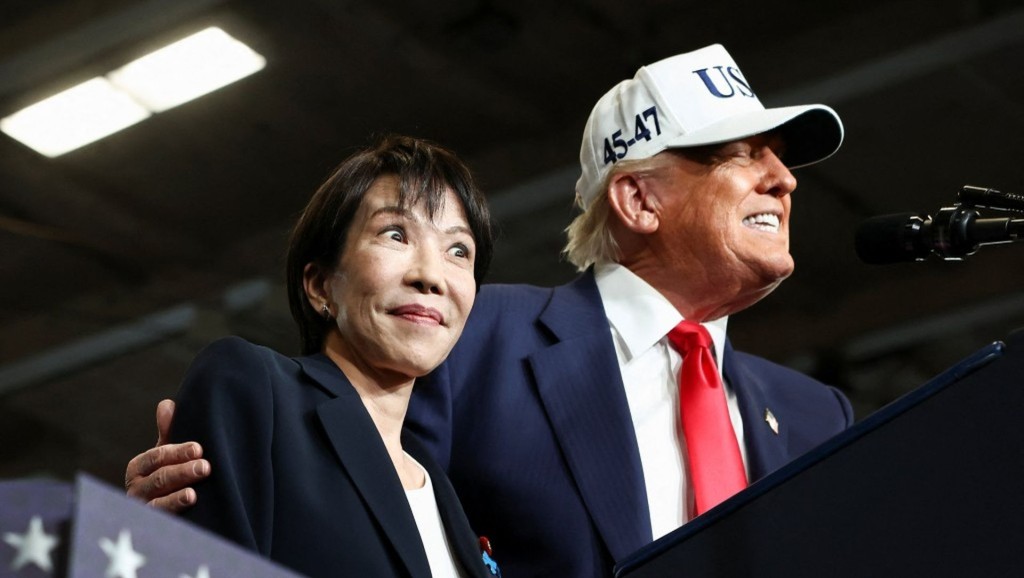
US President Donald Trump’s transactional approach to the world has long put personal and political gain over genuine diplomacy and friendship.
Nowhere was this more evident than during his Gulf swing, where his so-called peace efforts yielded lucrative business for allies and himself while leaving the Middle East’s most vulnerable to suffer.
From arms sales to the hollow normalization of Arab-Israeli ties, Trump’s Middle East strategies are a masterclass in leveraging geopolitical tensions for profit rather than progress. His victims are the Palestinians, Syrians and Iranians. Even China, Hong Kong and Singapore have got caught in the crossfire of his erratic policies.
Trump’s dealings with the Arab world have never been about fostering peace but about winning business and boosting his own standing.
Gulf states commit trillions in investment
On this trip, the Saudi pledged investments to the tune of US$600 billion (HK$4.68 trillion) while agreeing to buy US arms worth US$142 billion.
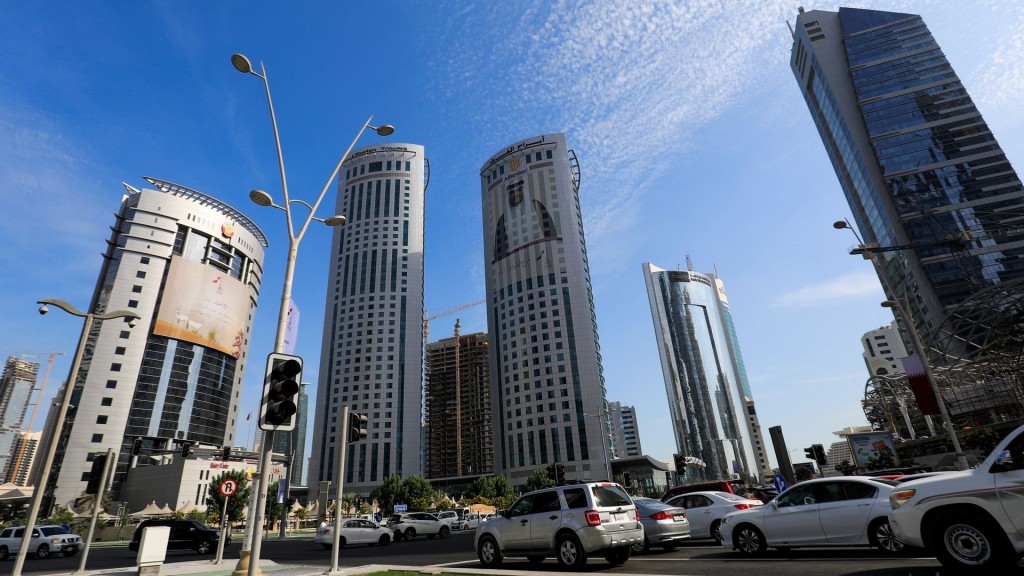
Qatar signed a US$243.5 billion economic and military partnership and promised to buy US$200 billion worth of Boeing jets.
The United Arab Emirates is to buy 500,000 advanced Nvidia chips used for artificial intelligence, following an earlier pledge to invest US$1.4 trillion in America over the next decade.
During Trump’s 2017 Saudi visit, he claimed to have secured US$450 billion of investment pledges, while Qatar and the UAE funneled billions into US ventures, including properties tied to the Trump family.
These deals were framed as strengthening alliances, but in reality, they were meant to bolster Trump’s political image and personal wealth.
And his much-touted Abraham Accords, which normalized relations between Israel and several Arab states, were less about peace and more about isolating Iran, whom he painted as the region’s boogeyman to justify aggressive sanctions.
Sanctions hurt China, Hong Kong
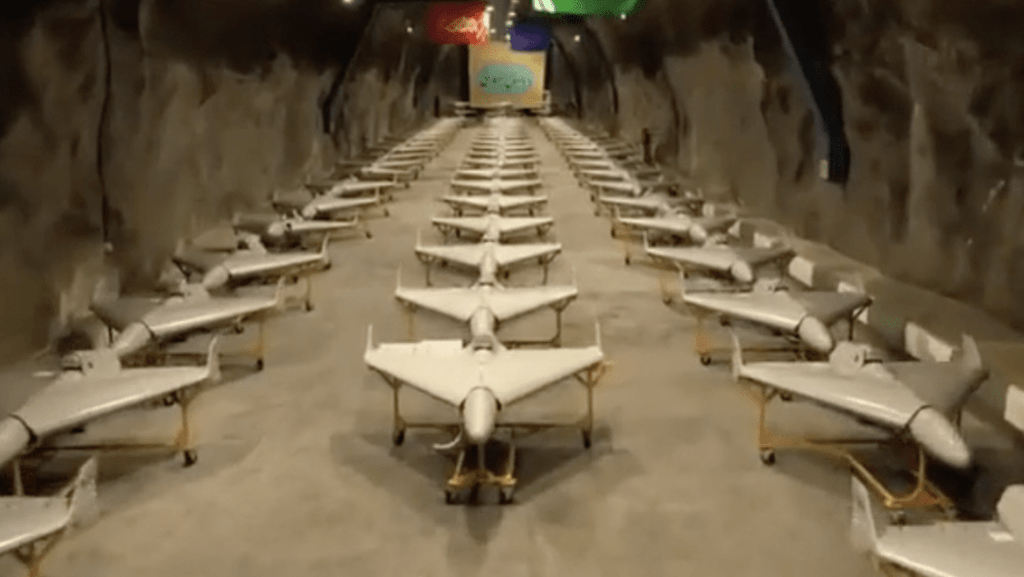
Trump’s fixation on Iran has had far-reaching consequences, including the sanctioning of third-party entities. Yet, to appease the Arabs, Trump yesterday said he would be “very happy to make a deal” with Tehran.
Meanwhile, the United States yesterday unveiled sanctions against six people and 12 firms including a Hong Kong-based company and three Chinese nationals who work for a China-based firm which is claimed to have exported carbon fiber precursor materials to a sanctioned Iranian firm.
This followed fresh sanctions on Iranian oil sales to China and a Singapore-based company for trading Iranian oil.
These moves were less about nonproliferation and more about punishing anyone who dared circumvent Washington’s economic warfare.
As the bombs rained down on Gaza and killed 90 people yesterday, Trump offered no solution to the Palestine-Israel conflict as he ended his Gulf tour. This shows his “deal of the century” was but a smokescreen for abandoning Palestinian rights.
His sudden lifting of sanctions on Syria after years of punishing Damascus was done not to ensure peace but to appease his Gulf allies.
Trump’s Middle East policy is business disguised as diplomacy.
The losers are the Palestinians, whose hopes for statehood remain crushed under US-backed Israeli expansionism, the Iranians, who continue to face brutal sanctions, and the Syrians, who are offered fake reprieves while their country remains fractured.
Peace cannot be bought or sold, and as long as America treats the Middle East as a money spinner, the cycle of violence will continue.








![President Donald Trump speaks at the Saudi-U.S. Investment Forum at the King Abdulaziz International Conference Center in Riyadh, Saudi Arabia, Tuesday, May 13, 2025. (AP Photo/Alex Brandon)[ASSOCIATED PRESS/Alex Brandon]](https://image.hkstandard.com.hk/f/1024p0/0x0/100/none/ad185cd57f84be95c3752b353a1dd3d9/2025-05/w_8.jpg)