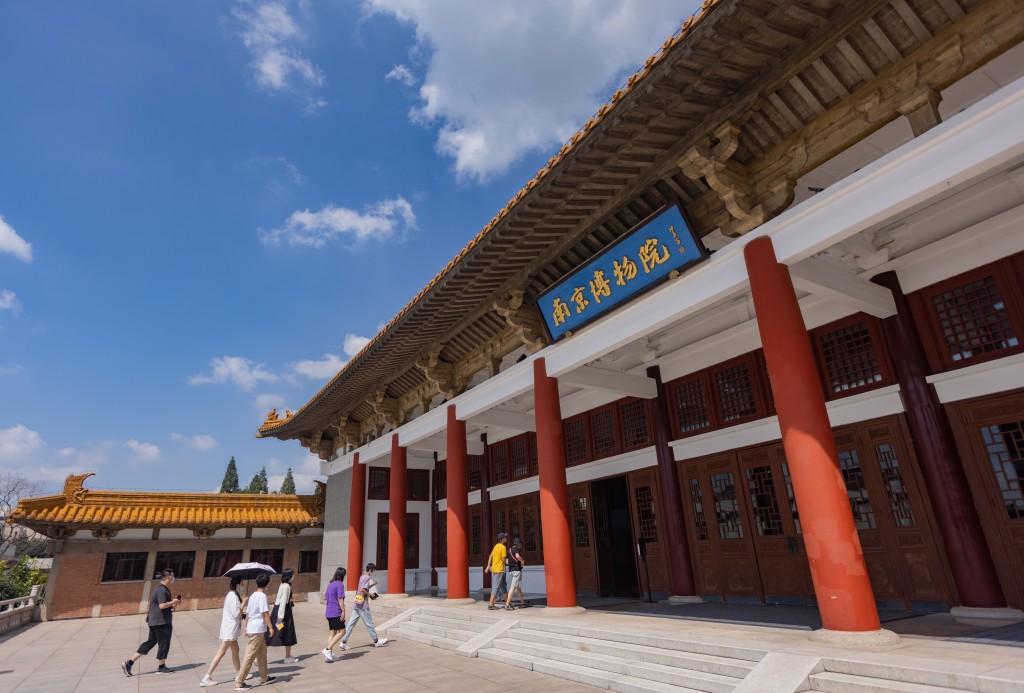
The Nanjing Museum, one of the largest museums in China, has seen a loss of artifacts estimated at several hundred million yuan as a result of mismanagement, according to East Week magazine, a sister publication of The Standard.
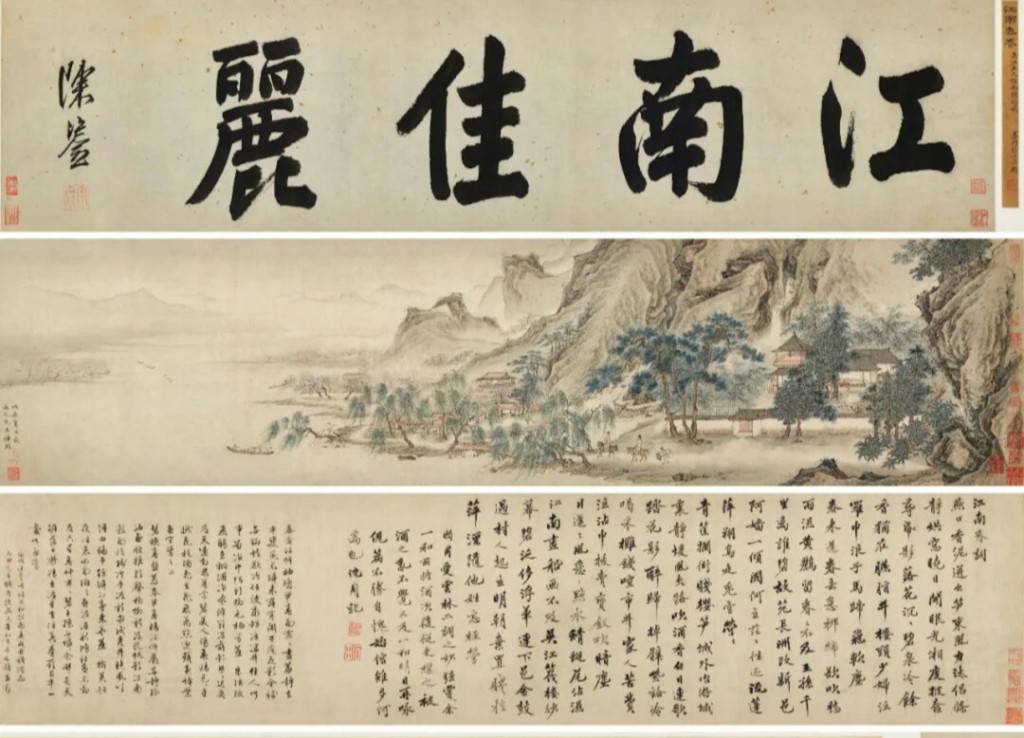
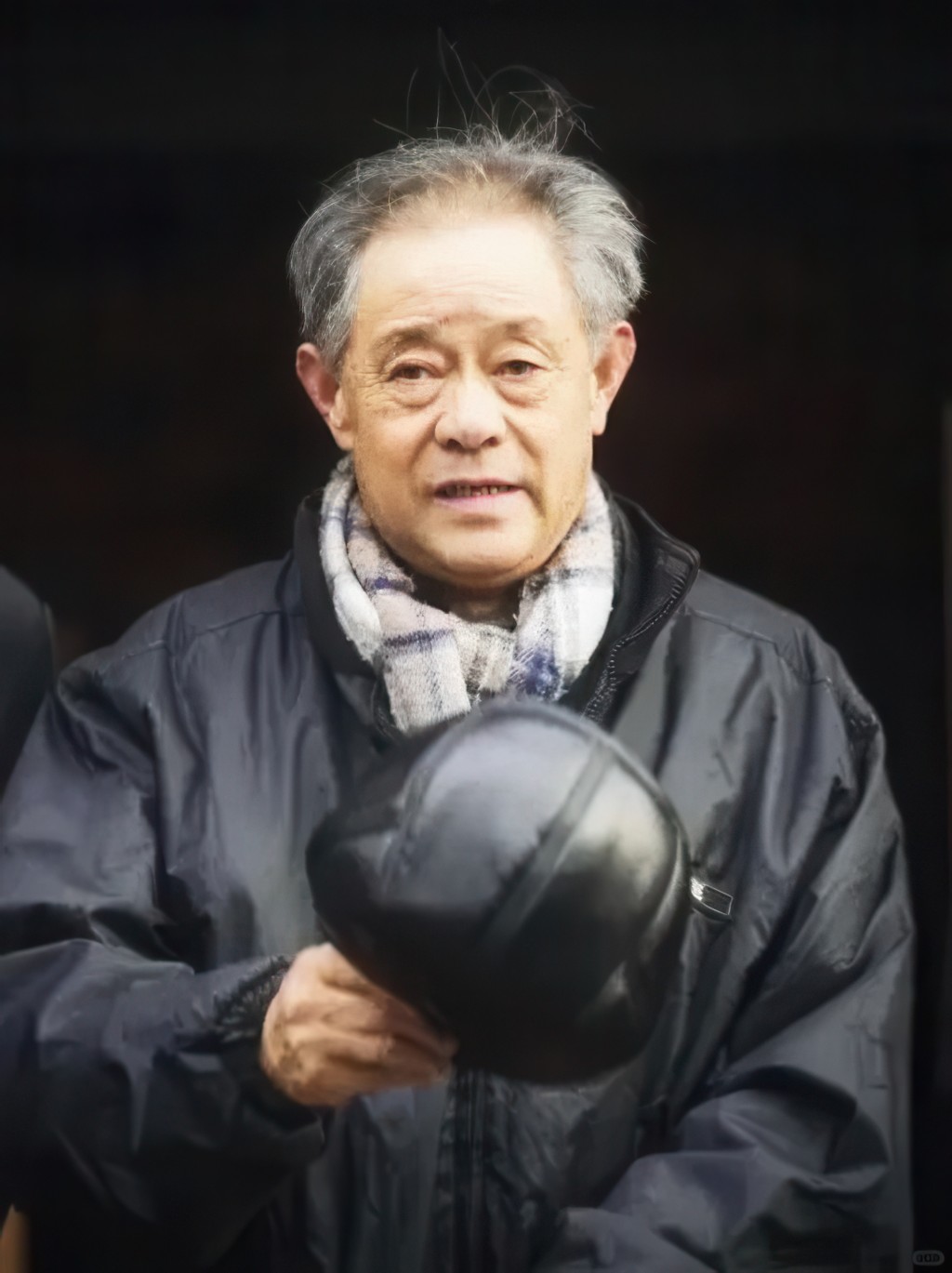
Investigations revealed last month that Xu Huping, former executive vice-president of the Nanjing Museum, illegally approved the sale of museum artifacts, including the Ming-dynasty painting Jiangnan Spring donated by the Chinese art collector Pang Laichen in 1959.
The Nanjing Museum
The misconduct was tipped off in May last year, when descendants of Pang Laichen discovered Jiangnan Spring in an auction catalogue. After examining the scroll at the auction, they realized it matched the one donated to the Nanjing Museum.
It came to light that Xu, back in the 1990s, improperly labeled relics such as Jiangnan Spring as "forgeries" in order to resell them at low prices to a relics store. Compared to the painting's estimated value of 88 million yuan at the time of the donation in 1959, the relics store priced it at a mere 2,250 yuan to enable its circulation in the private market.
Xu Huping
This incident with the Nanjing Museum does not stand alone. In 1956, Liu Baixin, son of epigrapher Liu Junshan, donated over 2,000 stone rubbings to Shaanxi Provincial Library. Years later, their descendants found some of the donated items on the auction market and only about 800 rubbings remaining in the library, and are currently still seeking redress.
Another case involved the Changde Mountain Resort Museum, where its former head of preservation Li Haitao abused his authority over warehouse management between 1993 and 2002 to sell over 200 pieces of the museum's collection – including first-class relics under state protection – and to replace the originals with forgeries, cashing in over 3 million yuan. He was ultimately executed in 2010.
These incidents has exposed systemic deficiencies in China's cultural relics protection system. In the past, the appraisal and valuation of cultural relics in mainland China were conducted by local museums and antique shops in the absence of third-party certification and transparent procedures, laying a fertile ground for fraud.
To establish more unified appraisal standards, the National Cultural Heritage Administration has in recent years designated officially-backed units as pilot institutions for artifact appraisal. The Chinese government also upped its Cultural Relics Protection Law last March, effectively banning the sale of stolen cultural artifacts.