Read More







Credit card fraud hits foldable iPhone Duo launch
17-10-2026 12:23 HKT
Three arrested over missing fire door frames in public estate lift overhaul
16-10-2026 20:10 HKT


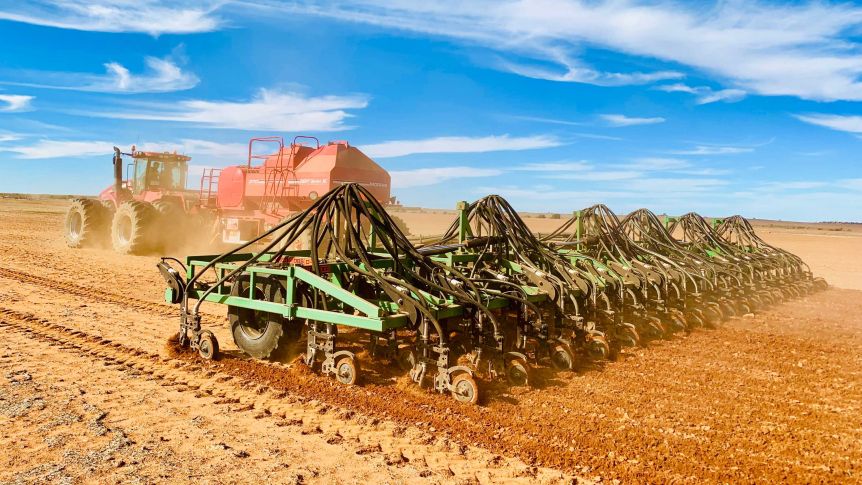
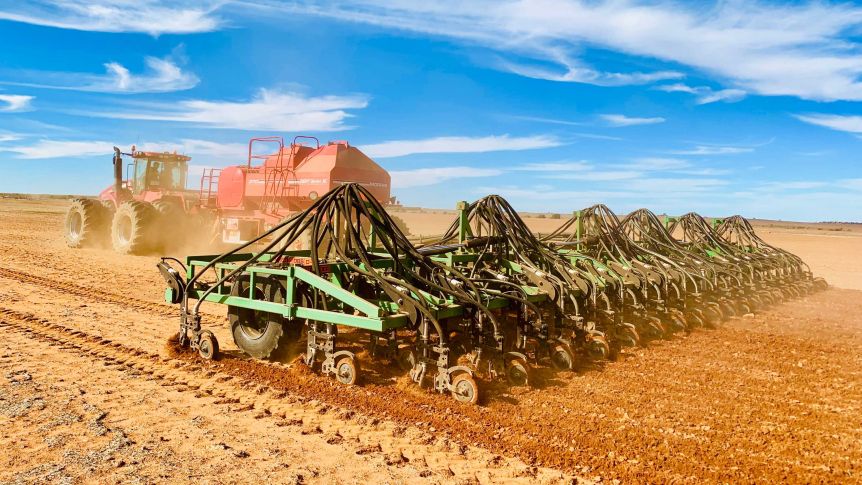
Australia t has confirmed it will appeal to the World Trade Organization (WTO) over China's decision to impose huge tariffs on Australian barley earlier this year, threatening A$2.5 billion of trade.
It is the first time Australia has referred China to the independent umpire over an agricultural commodity, ABC News Australia reports.
"This is the logical and appropriate next step for Australia to take," Trade Minister Simon Birmingham said.
"We are highly confident that based on the evidence, data, and analysis that we have put together already, Australia has an incredibly strong case to mount in relation to defending the integrity and proprietary of our grain growers and barley producers."
Birmingham admitted WTO dispute settlements could take a long time to reach any resolution, but said there was always an opportunity to end them early.
"Just as we have done so in Canada with the wine industry and many others have done so with initiating WTO processes, there is always the ability to pause and resolve these [disputes] through dialogue instead," he said.
He said how China responded to Australia's referral of barley tariffs to the WTO would give other industries an idea of its attitude towards solving trade issues.
"We also hope it provides a systematic check in relation to the way in which this decision and case is handled by China," Birmingham said.
"And provide greater certainty in the long run for other sectors and ultimately perhaps other countries in relation to how such issues are considered and handled."
Australia has previously taken Canada to the WTO over issues with wine trade, and India over sugar.
As well as barley, China has imposed a number of official and unofficial sanctions on Australian goods this year as relations between the two nations soured.
Birmingham said the government would consider taking further action in the WTO if solutions on other goods could not be reached.
"We have a series of different actions that China has taken during the course of the year and each come with slightly different criteria for how you might respond at the WTO," he said.
"The application of pressure on [markets] in the Chinese system where businesses within China are state-owned enterprises, being discouraged from purchasing Australian goods [is one].
"That is a harder point to prove."