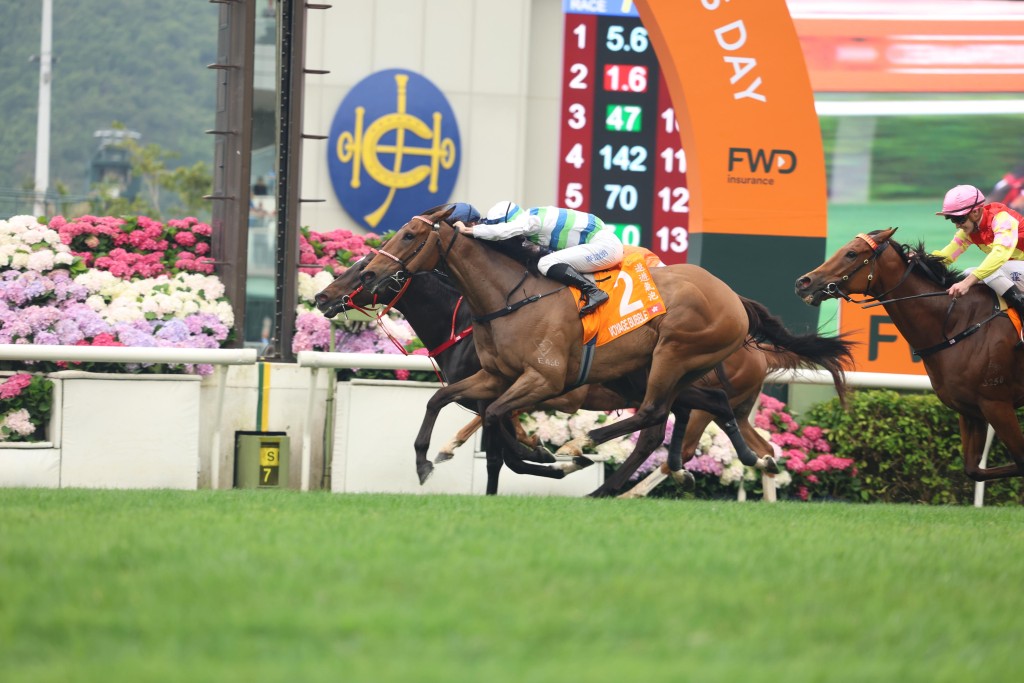
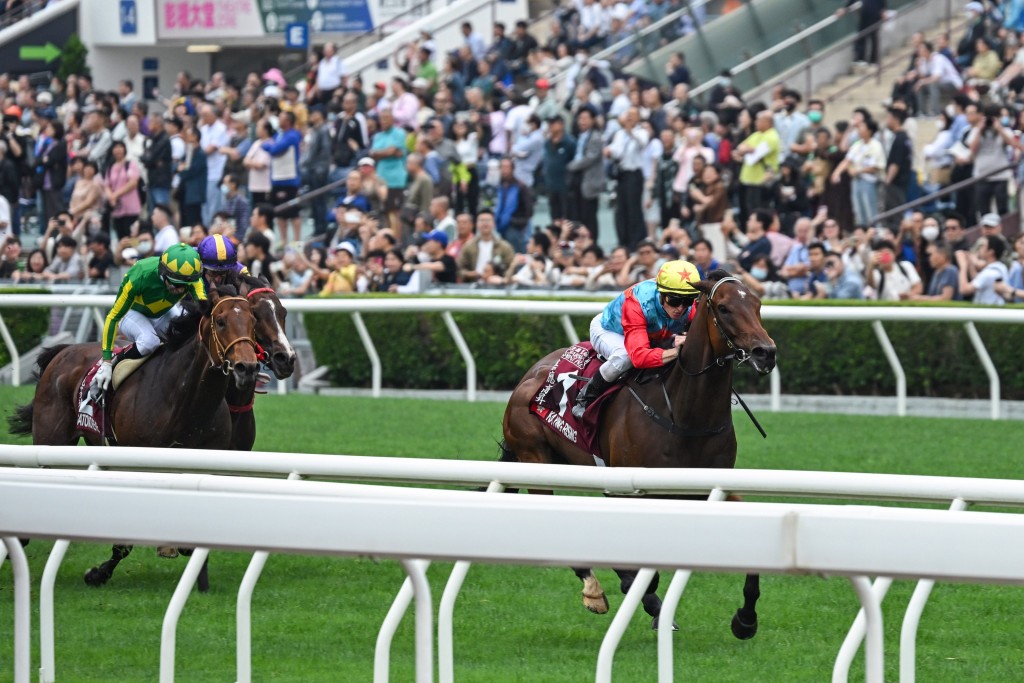
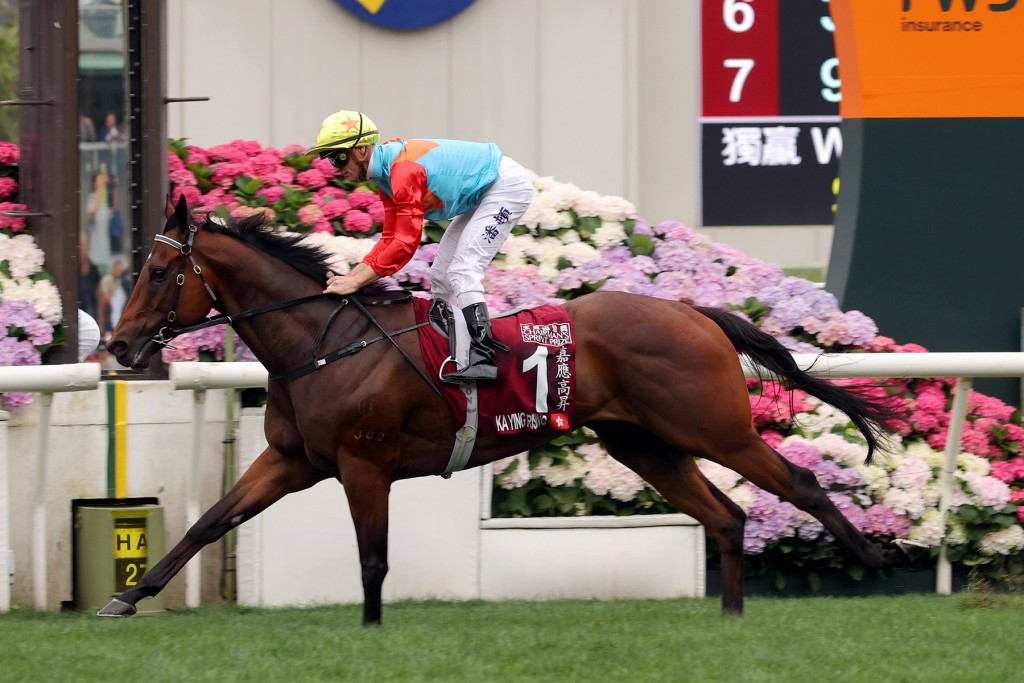
The structure of the world Group 1 racing calendar has changed dramatically in recent years but the strength of Sunday's three feature races at Sha Tin is testament to stability.
In Australia, the Group 1 schedule has been upended over the last decade courtesy of Racing NSW executive Peter V'Landys and his deliberately disruptive power plays.
So much so that the term "Group 1" is losing impact. There are now so many races with the G1 designation in Australia – 76 in the current racing season to be precise – that it is as if there is now an unofficial sub-class: "Australian Group 1."
A conversation between more globally minded racing fans might go something like this: "Mr Brightside has won nine Group 1 races." And the reply? "Yes, but they were Australian Group 1s."
Not to pick on Mr Brightside – who is as tough as he is talented – but the G1 Champions Mile contender's record and reputation does provide a great example of why the integrity of racing's Group race pattern needs to be preserved.
Four of Mr Brightside's G1s were won at the same 1,400-meter course at Caulfield, one of Melbourne's four metropolitan tracks that somehow gets three weight-for-age G1 races at the same course and distance (Mr Brightside has won each of them at least once). There is a fourth at the track and trip but it is a handicap.
The dysfunctional politics of Australian racing and its inability to cut back the amount of Group 1 races isn't Mr Brightside's fault but victory in Sunday's Champions Mile would be legacy defining.
There are many similarities between Mr Brightside and the Hayes’ family's former champion Better Loosen Up. They both carry the same iconic Lindsay Park silks and now Mr Brightside gets a chance to emulate Better Loosen Up by winning a G1 abroad.
Better Loosen Up won seven G1 races in Australia, including the 1990 Cox Plate, but it is his victory in the Japan Cup later that year that sets the champion apart from some of his contemporaries.
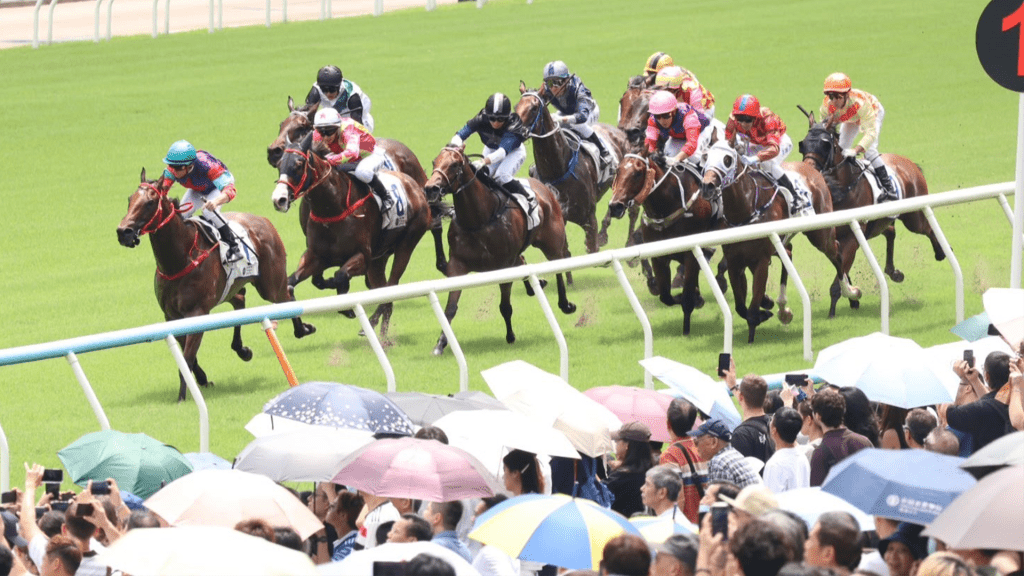
Sunday's Group 1 races at Sha Tin are what the term is meant to represent: championship races in which reputations go on the line.
As Australia has added G1s at a relatively rapid rate in recent times, the battle tested "patterns" of Hong Kong and Japan have largely remained the same.
For visiting Japanese horses, Hong Kong's big days – and other feature racedays around the world – represent a precious opportunity to add to their record given there are only 26 each year.
The creation of so-called pop-up races in Australia – some of them, like The Everest and Golden Eagle, highly successful – has sometimes given pundits licence to dream of revamping the Hong Kong racing calendar.
G1s at Happy Valley, or even on the all-weather track, get mentioned at times. But the overall strength, depth of diversity of Sunday's races – particularly the G1 QEII Cup – show there is still a place in the world for tradition.
Champions Day didn't get better because of a prizemoney injection, change of date or some fancy new race style. It has improved by doing something different: staying the same.
Michael Cox, Racing Editor