Read More






HK braces for 7-degree plunge and heavy rain on Fri as cold front arrives
22-04-2026 13:19 HKT

Rolex and diamond ring stolen from sleeping man in Tsim Sha Tsui park
22-04-2026 12:18 HKT
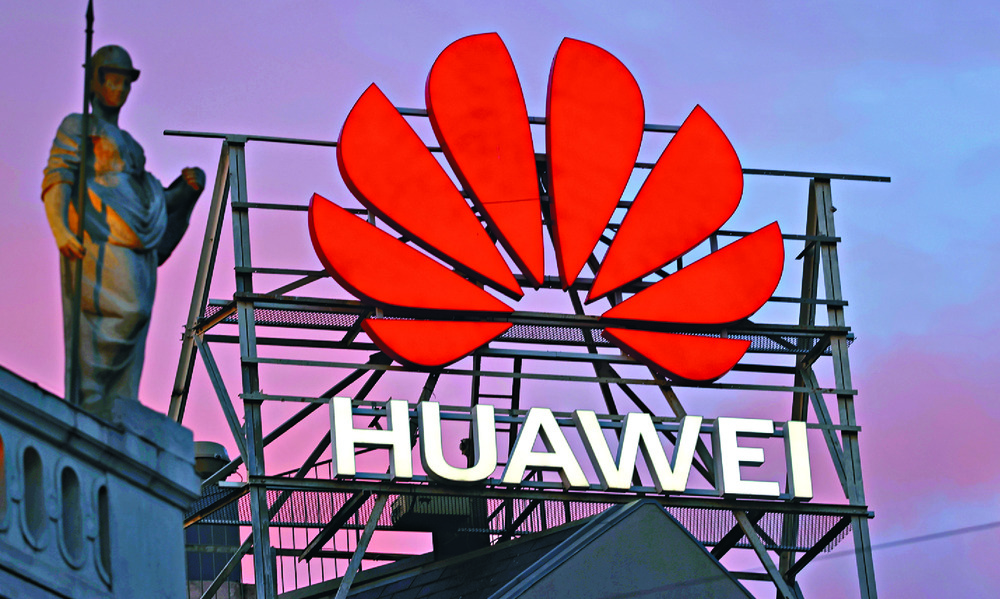
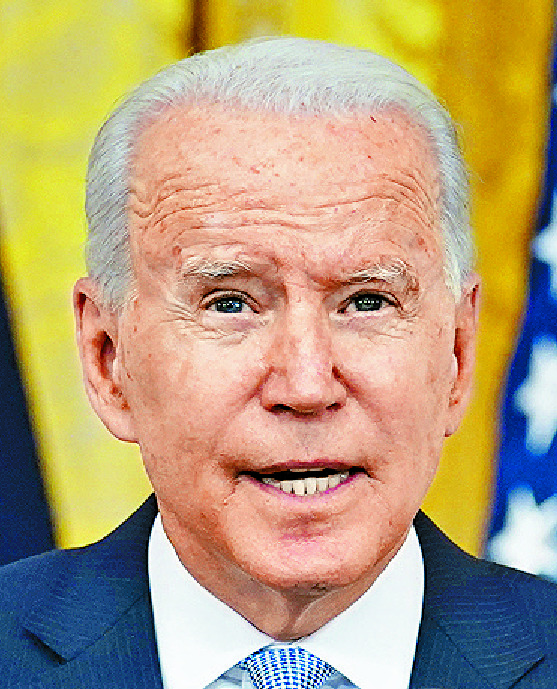
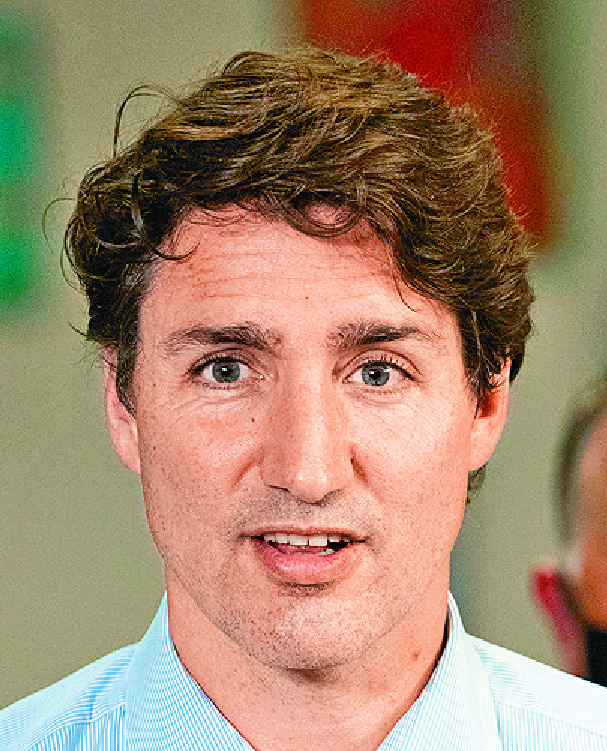
US President Joe Biden and Canadian Prime Minister Justin Trudeau have discussed China's "arbitrary detention" of two Canadian citizens.
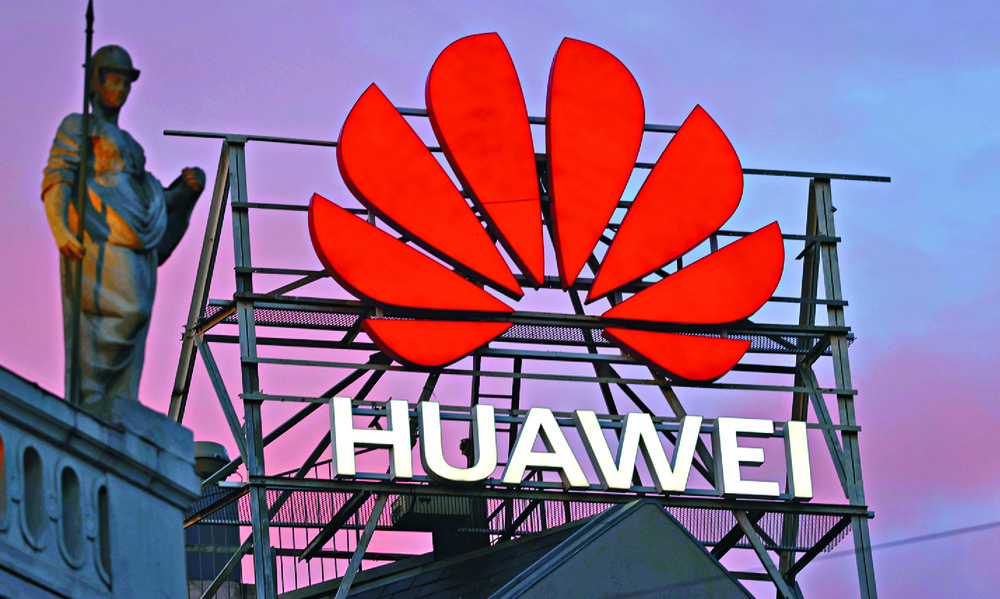
This comes as the chief financial officer of Chinese tech giant Huawei is due back in a Canadian court today for a final round of hearings on her possible extradition to the United States, after nearly three years of court battles and diplomatic sparring.
In a telephone conversation, the two leaders discussed Beijing's two-year detention of former Canadian diplomat Michael Kovrig and Canadian businessman Michael Spavor, who are both being held on charges of spying.
"The Prime Minister and the President discussed China's arbitrary detention of Canadian citizens Michael Spavor and Michael Kovrig," a press release from Trudeau's office said. "The leaders agreed on the need for their immediate release."
The two men were detained in apparent retaliation for Canada's arrest on a US extradition warrant of Huawei executive Meng Wanzhou.
A statement from Biden's office said Spavor and Kovrig had been "unjustly detained" and that during the call the president had condemned their detention and "reiterated his commitment to stand strong with Canada to secure their release."
Ottawa has said they were taken as virtual hostages to apply pressure in the Huawei executive's case.
The two men first appeared in court in March this year, in hearings that wrapped up quickly.
Meng, 49, is due in a Canadian court today for a final round of hearings on her possible extradition to the United States on charges of bank fraud and conspiracy.
If transferred to the US for trial and she is convicted, she could face more than 30 years in a US prison.
Both the Chinese government and Huawei, the world's largest supplier of telecom networking gear, have denied the US accusations.
Beijing says Washington's primary aim is to weaken Chinese tech companies, calling the whole case "a serious political incident."