The Mexican army's killing of Nemesio Cervantes – the "godfather" of the Jalisco New Generation Cartel, or CJNG – set off not only a wave of violent retaliatory attacks across Mexico, but also global concerns about whether it is still a viable host country for the 2026 FIFA World Cup, as noted by East Week magazine, a sister publication of The Standard.
On February 22, a military raid in Jalisco took out the powerful leader of the CJNG drug cartel, reportedly using intelligence on Cervantes' location provided by his mistress and associates.
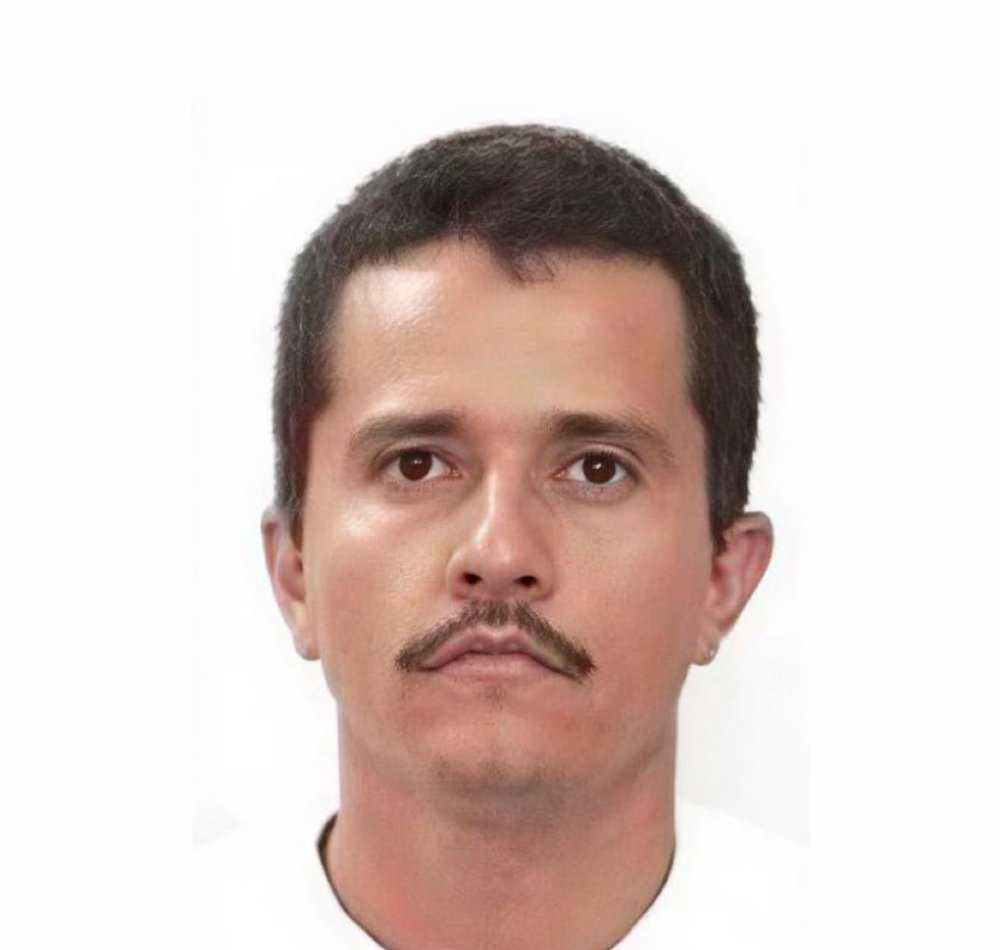
Nemesio Cervantes
The operation is generally viewed as Mexican President Claudia Sheinbaum's response to pressure from her US counterpart Donald Trump, who had repeatedly demanded the Latin American country to intensify its crackdown on drug networks with threats of unilateral military action.
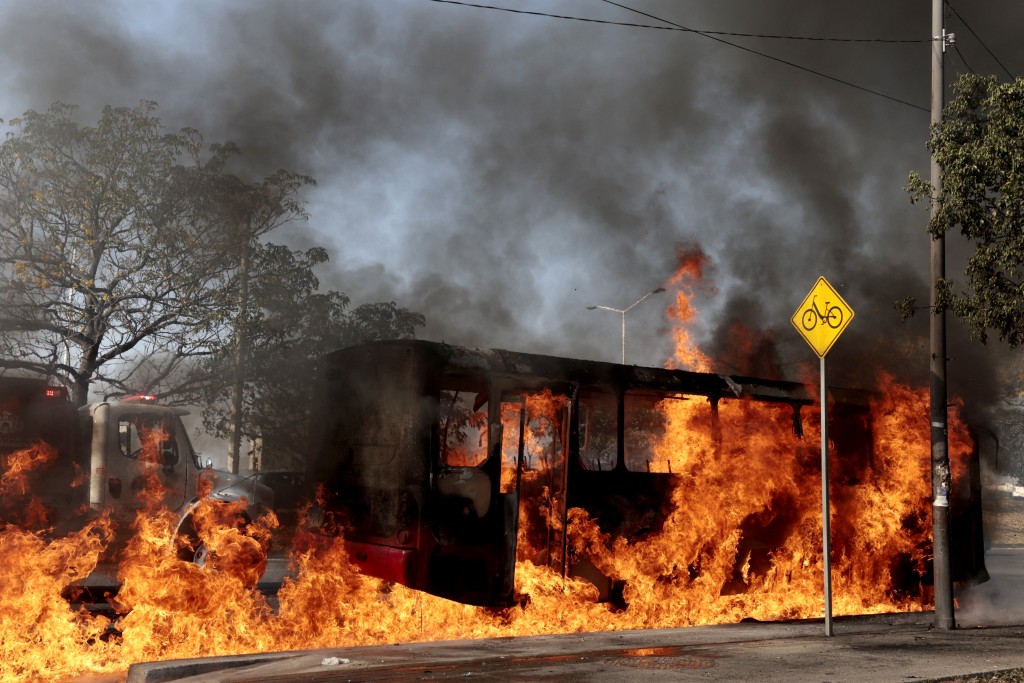
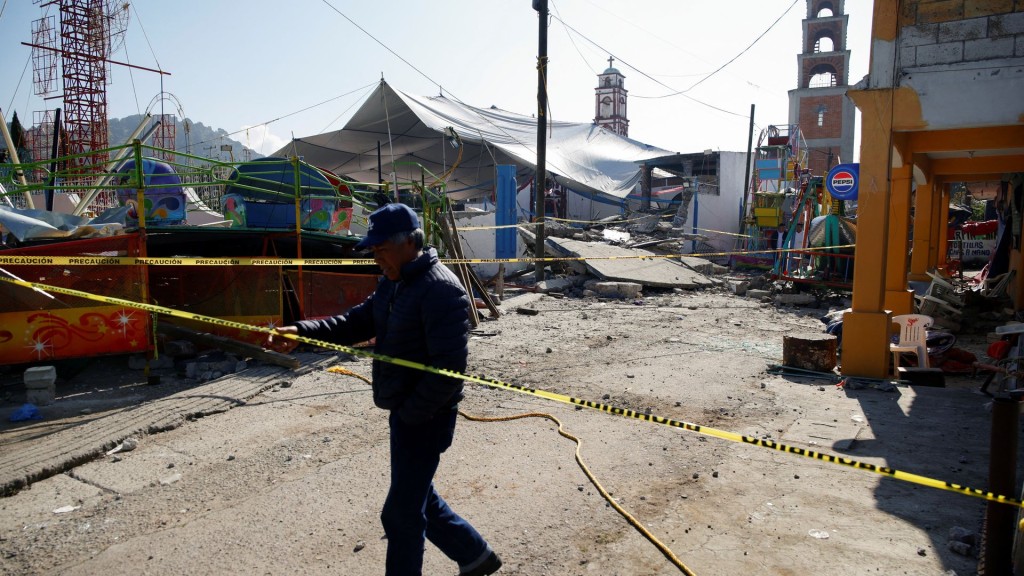
The power vacuum left by Cervantes' death has triggered turf wars by gangs, who set fires, attacked security posts, and erected over 250 roadblocks in 20 out of 32 states. In response, at least eight countries have issued travel warnings for Mexico.
Following Cervantes' death, retaliatory attacks erupted across Mexico. AFP
The widespread chaos in the country has cast doubt on whether it can ensure the safety of players and visitors at the World Cup. The much-anticipated tournament will kick off on June 11, with 13 matches slated for three Mexican cities: Mexico City, Monterrey, and Guadalajara – a major area affected by the riots.
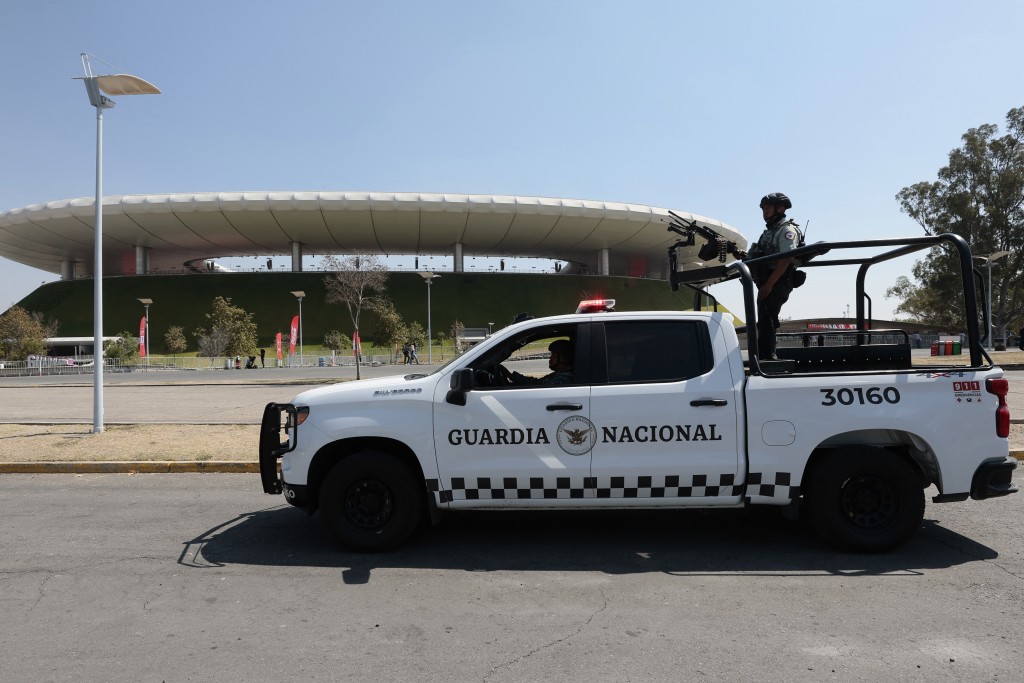
As Mexico is naturally unwilling to relinquish the "golden egg" of hosting the World Cup, it announced the deployment of nearly 100,000 security personnel, around 2,500 military and civilian vehicles, and over 20 aircraft equipped with anti-drone systems during the tournament.
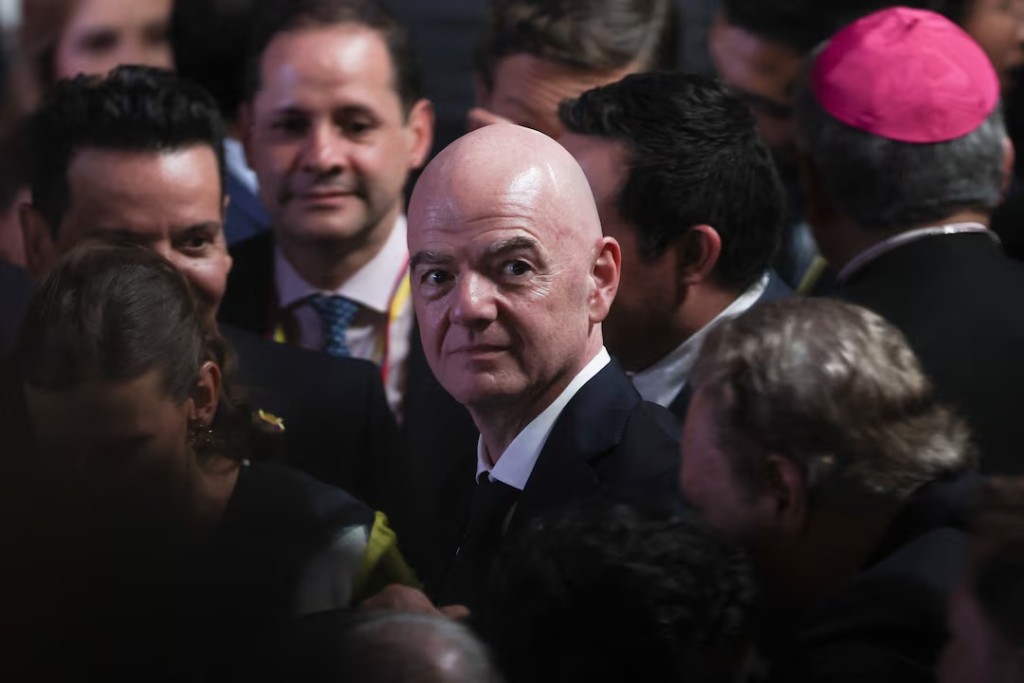
Though FIFA president Gianni Infantino publicly expressed confidence in Mexico as host, it was revealed that the federation has sent personnel to the country to assess its security and prepare for contingencies, including the possibility of relocating matches.
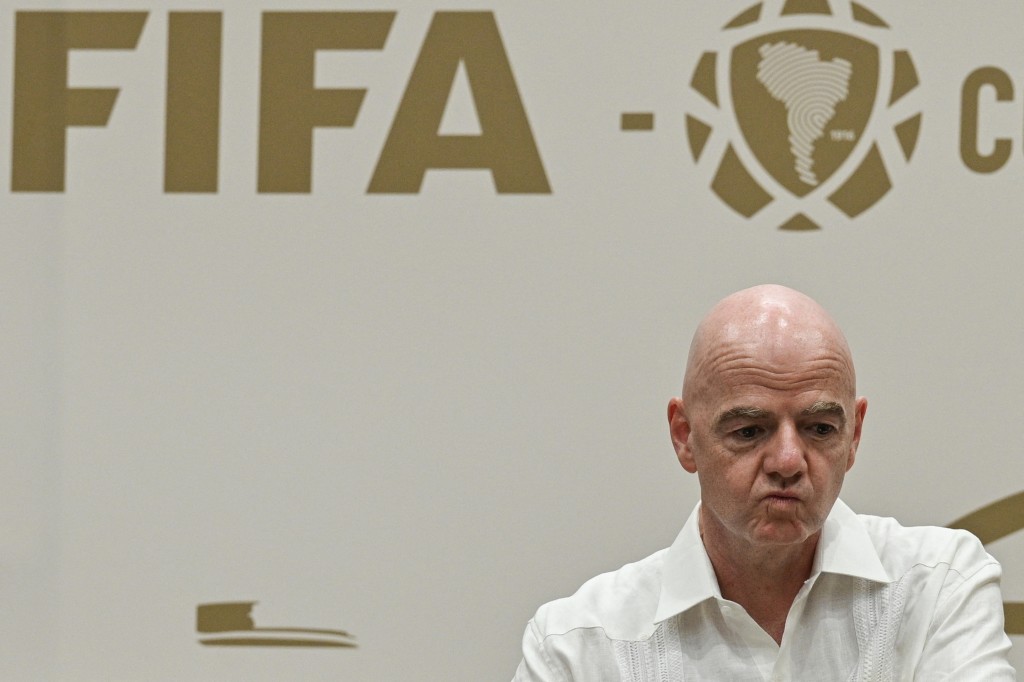
Gianni Infantino AFP
With the four inter-confederation play-offs to be held in Monterrey and Guadalajara later this month, several teams in the qualifying matches – including Bolivia and Jamaica – have already expressed concerns.
Should the Mexican matches prove unfeasible, commentators have suggested relocating them to other cities in the United States and Canada, the other two hosts of the World Cup.
However, this would by no means come without cost. The reallocation of tickets, cross-border travel arrangements for fans, the fulfillment of broadcasting and sponsorship contracts, and the adjustment of team travel and rest days are all undertakings that, if handled improperly, put FIFA and Mexico in a lose-lose situation.