





Read More







Kyle Kennedy, granddaughter of Robert F. Kennedy, dies at 42
22-10-2026 04:11 HKT

Late police constable Chu Chun-kwok to receive full honors funeral on Fri
22-10-2026 15:33 HKT


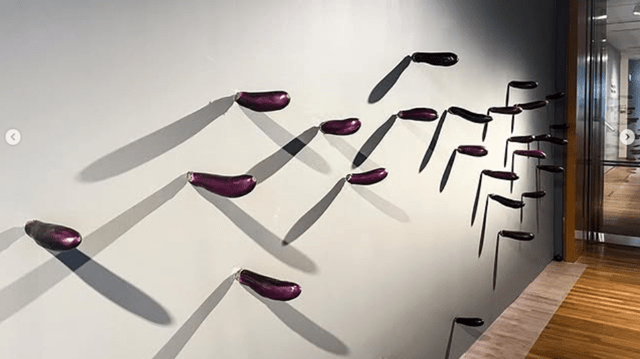
An artwork featuring 200 eggplants at the National Gallery Singapore (NGS) was vandalized by a visitor, prompting the Gallery to urge guests to respect the artworks.
Singaporean artist Suzann Victor's installation "Still Life" -- with eggplants arranged and inserted into a wall -- originally intended to explore the futility of patriarchal expressions in social spaces.
The art piece was damaged not due to rotting fruit, but because the eggplant was taken away. NGS did not specify how many of the eggplants had been allegedly stolen.
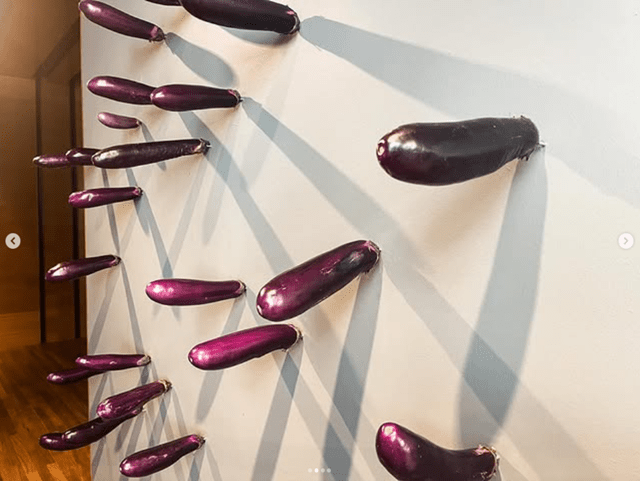
The eggplants used in the artwork are regularly replaced and, after natural decomposition, are handed over to the social enterprise Ground-Up Initiative for composting to support community farm recycling.
"We welcome visitors to interact with and photograph the exhibits, but we hope they can appreciate and protect the artwork in a respectful manner, allowing more people to experience it in its entirety," NGS said.
NGS stated that the artwork area is clearly marked with "Do Not Touch" signs, and staff regularly patrol to maintain the integrity of the piece.
However, since its debut in July, the artwork has not only attracted large numbers of visitors for photos due to its striking form, but also led some to mistakenly believe the product is free to take, sparking debates about food waste.
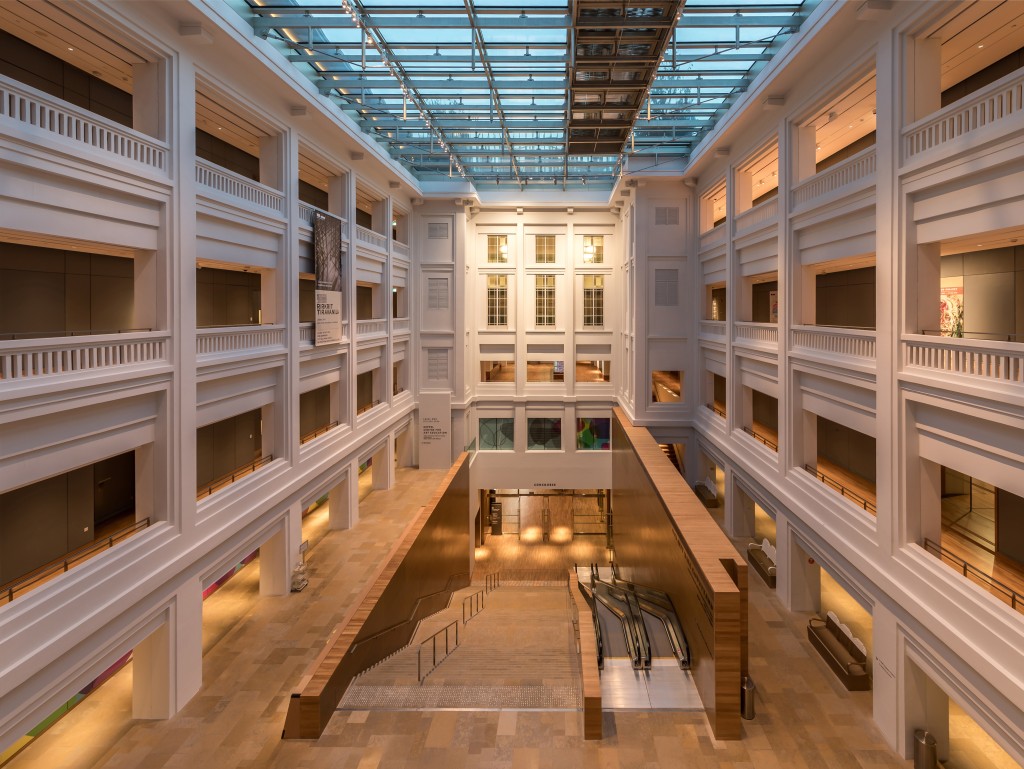
"Still Life" was originally created in 1992, when Suzann affixed 100 eggplants to the exterior wall of Parkway Parade, prompting reflections on daily life through the morning rush hour crowd.
The current exhibition extends the work to a second-floor passageway, making it one of the most talked-about pieces in the show.
Suzann emphasized that the eggplants are not randomly placed but are meticulously arranged and painted, reflecting her long-standing focus on kinetic and performance art.
Singapore has seen incidents of artwork vandalism in the past.
In 2014, a 30cm square section of the paper wall in artist Casey Chen's artwork, installed at Jurong Point and Boon Lay Bus Interchange, was torn off.
In 2000, artist Felicia Low's artwork "Dragon" in Chinatown went missing entirely, with fragments later found discarded in a nearby dump.