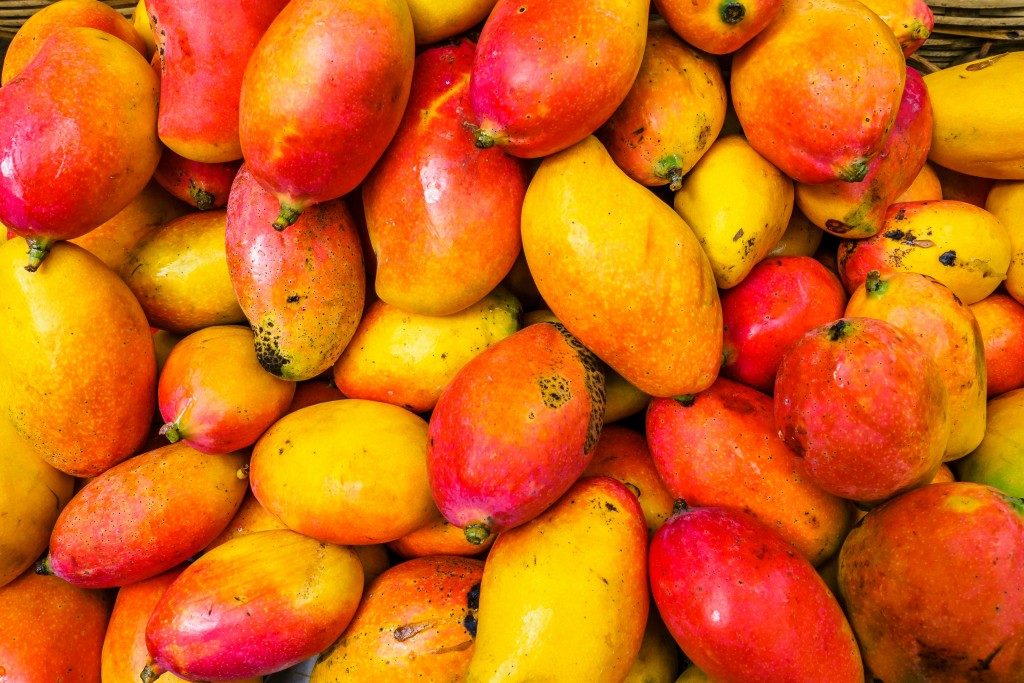
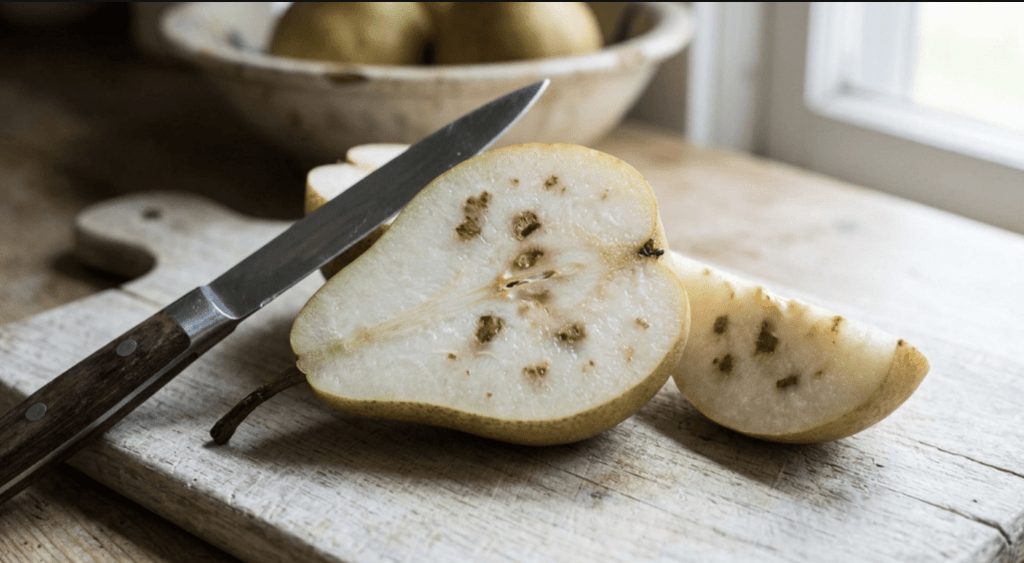
When buying fruit and spotting black spots, many assume it's spoiled and throw it away. Experts debunk 4 common fruit spot myths. For example, black spots on mango skin are often a natural self-protection response—not necessarily a sign of spoilage.
4 Fruit Spot Myths – Avoid Eating Only in 2 Situations
The Taiwan Agriculture and Food Agency (AFA) posted on Facebook that when cutting or peeling fruit at home, spotting blemishes often raises concerns: "Is it spoiled?" In fact, many fruit spots are purely natural physical phenomena or the fruit's own defence mechanisms. Experts break down 4 common myths about fruit spots:
1. Mango
Minor black spots on mango skin are generally safe. They are usually caused by plant diseases like black spot or scab, which affect only the skin and cannot infect humans. Simply peel off the affected skin and enjoy the fruit. However, if the flesh is sunken, rotten, or has a sour odour, do not eat it.
2. Pineapple
When cutting a pineapple, you may notice brown or dark brown spots on the flesh. This is usually because the fruit has ripened well and developed seeds after natural pollination—it's perfectly safe.
3. Persimmon
Dark spots inside a persimmon are a natural result of high temperatures during ripening or tannin oxidation. They do not affect the fruit's flavour.
4. Guava
Red spots on guava skin occur when the fruit experiences environmental stress during development. This is harmless and does not affect taste.
Source: "Fresh Enjoy YA – Agriculture and Food Agency" (鮮享農YA - 農糧署)