Read More




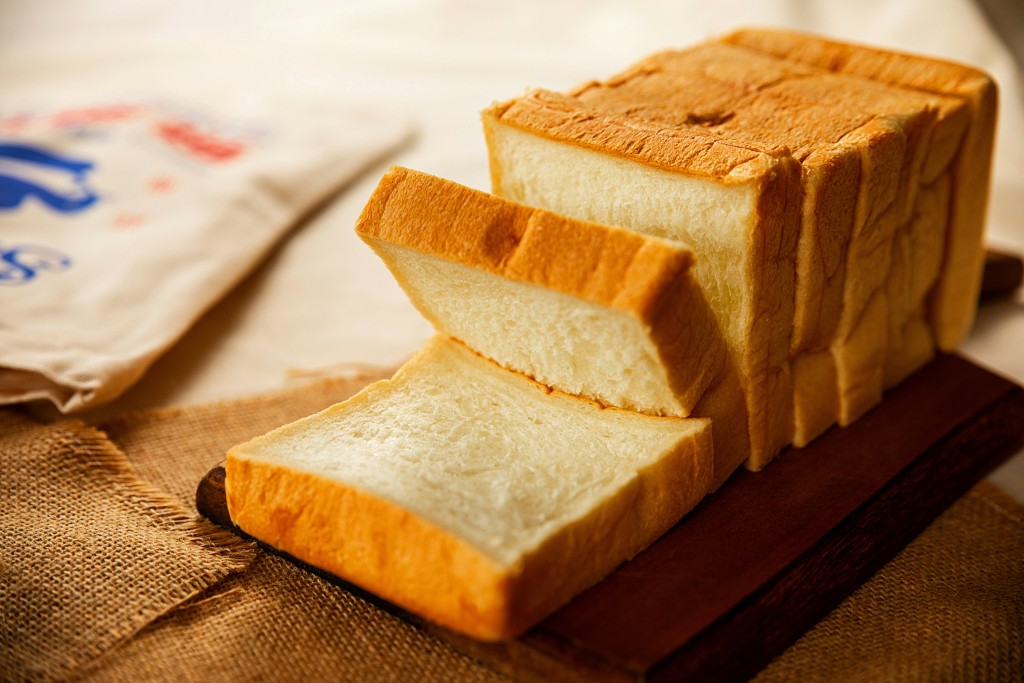
Rushing to work and eating just two slices of white bread for breakfast? You might be falling into a blood sugar trap. A doctor tested this himself and found that blood sugar spiked even more sharply than after eating white rice—triggering a vicious cycle of hunger. He shares 3 ways to help stabilise blood sugar.
Endocrinologist and metabolism specialist Dr. Tsai Ming-chieh posted on Facebook that many office workers, short on time, grab two slices of white bread and rush out. Recently, he wore a continuous glucose monitor (CGM) to test this common habit. He ate only two slices of white bread for breakfast (about 80g, containing 40g of carbohydrates). His pre-meal blood sugar was about 100 mg/dL. Just one hour later, his blood sugar had spiked to a staggering 191 mg/dL. Tsai admitted that this spike was even higher and sharper than when he eats a full bowl of white rice (about 60g of carbohydrates).
Tsai explains that such rapid blood sugar fluctuations trigger massive insulin secretion, prompting the body to convert excess glucose into fat. At the same time, it quickly triggers hunger. This often leads to snacking, creating a vicious cycle of eating more yet feeling hungrier—which is precisely why many people feel they eat very little but still gain weight. The root cause: white bread, despite its modest appearance, is a highly refined starch. Finely milled wheat is digested and absorbed rapidly. Combined with its lack of protein and dietary fibre, there's nothing to slow the conversion of starch into blood glucose.
To break this weight-gain trap, Tsai shares 3 golden strategies for a blood-sugar-stable breakfast:
Pre-cut tomatoes, cucumbers, or baby corn and keep them in the fridge. Grab a fist-sized portion of vegetables each morning as your fibre source. If turning on the stove in the morning feels like too much effort, these ready-to-eat vegetables are your best option.
Protein slows starch digestion and stimulates GLP-1 secretion (the main ingredient in popular weight-loss injections), significantly increasing satiety and stabilising blood sugar. Prepare boiled eggs, chicken, lean pork, or a slice of cheese in advance. The simplest option: drink a carton of unsweetened soy milk to help flatten the blood sugar curve.
While multigrain or whole wheat bread is still a processed food, if you're in a hurry and have no other choice, choosing a bread with more fibre and whole grains is far better than nutritionally empty white bread.
According to the Hong Kong Hospital Authority, diabetes is a chronic metabolic disorder. It occurs when insulin secretion by the pancreas is insufficient, or when insulin cannot function properly, causing blood sugar to rise abnormally. Type 2 diabetes accounts for over 90% of cases and is mainly related to poor diet, obesity, and lack of exercise. Body cells become resistant to insulin, unable to effectively absorb and utilise glucose, causing excess sugar to accumulate in the blood.
High blood sugar can lead to metabolic disorders of fats and proteins and, over time, damage multiple systems and organs, including the cardiovascular system, retina, nerves, and kidneys.
According to the American Diabetes Association's recommendations:
Impaired Fasting Glucose: Fasting blood sugar between ≥5.6 mmol/L and <7 mmol/L.
Impaired Glucose Tolerance: 2-hour post-meal blood sugar between ≥7.8 mmol/L and <11.1 mmol/L.
Both conditions are considered prediabetes.
Diabetes: Fasting blood sugar ≥7 mmol/L, or 2-hour post-meal blood sugar >11.1 mmol/L.
Early Symptoms of Diabetes:
Some patients may experience:
Frequent thirst
Frequent urination
Feeling hungry
Weight loss
Easy fatigue
Blurred vision
Slow-healing wounds
Skin itching (women may experience genital itching)
Sources: Endocrinologist Dr. Tsai Ming-chieh, Hospital Authority (Hong Kong)