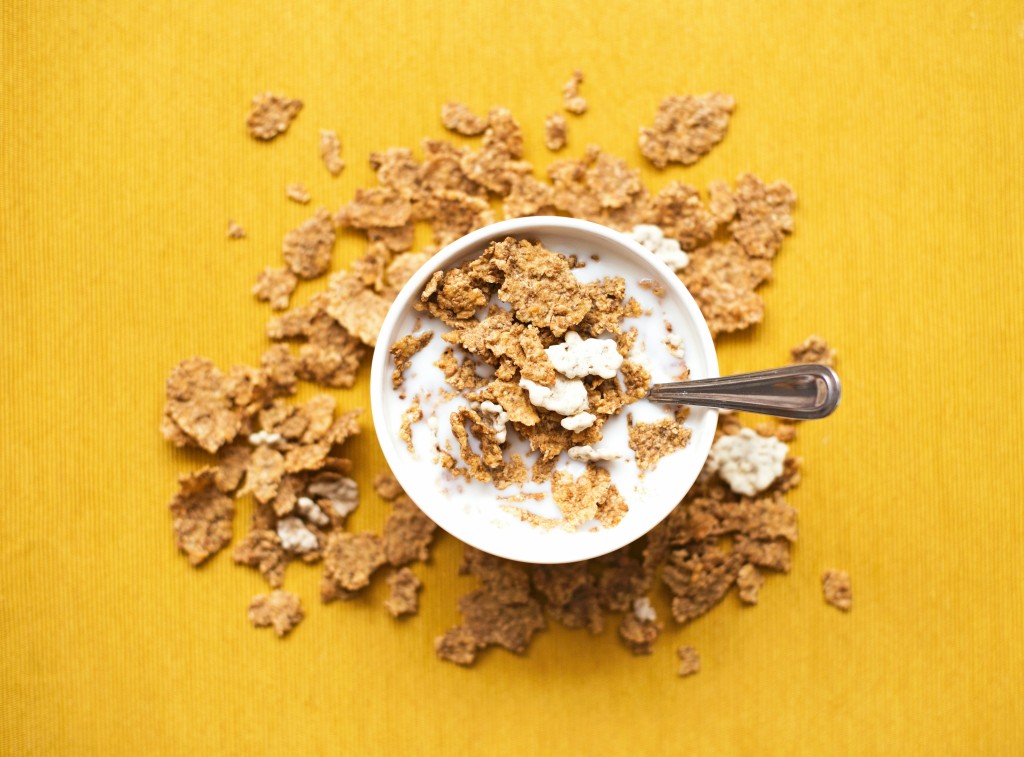
Ready-to-eat breakfast cereals are convenient and require no cooking—just add milk, soy milk, or water—making them a popular choice for busy office workers and students. Many products also highlight nutritional benefits like dietary fibre, leading consumers to view them as both quick and healthy options. However, Consumer Council tests have found that over 80% of pre-packaged breakfast cereals across different types and flavours exceed the high-sugar threshold.
According to the July 2026 issue of Choice Magazine (Issue 597), a product test found that over 60% of muesli, granola, cornflakes, and puffed cereal products contained an average of 7.5g of dietary fibre per 100g—exceeding the 6g threshold required for a "high-fibre" claim under the Food and Drugs (Composition and Labelling) Regulations (Cap. 132W).
While dietary fibre helps prevent constipation, stabilises blood sugar, and increases satiety, breakfast cereals also come with sugar, fat, and sodium. Consumers should develop the habit of reading nutrition labels and controlling portion sizes. Sweetened breakfast cereals are classified as ultra-processed foods by the International Agency for Research on Cancer (IARC). The WHO warns that long-term excessive consumption increases the risk of non-communicable diseases (NCDs). A recent US study also found that between 2010 and 2023, sodium and fat in newly launched products significantly increased, while protein and dietary fibre—critical for child development—decreased. The Consumer Council's test results reflect similar concerns:
3 Health Traps in Breakfast Cereals
1. High Sugar Content: Over 80% of samples contained more than 15g of sugar per 100g, meeting the high-sugar standard and increasing obesity risk.
2. Wide Sodium Range: Sodium content ranged from 1.71mg to 802mg per 100g. Products exceeding 600mg per 100g are considered high-sodium, increasing blood pressure and cardiovascular and kidney disease risk.
3. Fat Content: Total fat ranged from 1.2g to 18.6g per 100g. Some samples approached high-fat levels (over 20g per 100g) due to added oils or nuts. Long-term excessive fat intake increases obesity risk—so those managing weight should carefully check total fat content.
Dietitian Tips for Reading Nutrition Labels
Registered dietitian Fung Kwan-kit advises carefully checking ingredient lists and nutrition labels when buying breakfast cereals:
-
Prioritise whole grains: Whole grains retain more vitamins and minerals. Choose products with whole grains (e.g., whole oats, whole wheat flour) listed first in the ingredients.
-
Watch for "free sugars": Choose products with less than 5g of sugar per 100g. Avoid products with over 15g per 100g. Check for multiple sugar sources like sucrose or fructose.
-
Fibre: Choose products with at least 6g of dietary fibre per 100g to support digestion.
-
Check units: Labels may show "per 100g" or "per serving"—convert units for accurate comparison.
4 Breakfast Pairing Tips
The Hong Kong Dietitians Association recommends a balanced breakfast structure: "carbohydrates + high-quality protein + dietary fibre." For cereal-heavy breakfasts, try these pairings:
-
Add protein: Pair with high-calcium low-fat milk, skim milk, calcium-fortified unsweetened soy milk, or unsweetened Greek yogurt to increase protein, satiety, and stabilise blood sugar.
-
Fresh fruit: Add blueberries, bananas, or apple pieces instead of dried fruit for natural sweetness, vitamin C, potassium, and hydration—while avoiding concentrated sugars.
-
Healthy fats: Add 15–20g of unsalted nuts (almonds, walnuts) or seeds (chia, flaxseed) for Omega-3s and trace minerals, supporting heart health.
-
Control portions: Limit to 30–45g (about half a bowl). Avoid filling large bowls, especially with sugary cereals like cornflakes or granola.
Source: Choice Magazine, Issue 597, July 2026 (Consumer Council)