
Read More


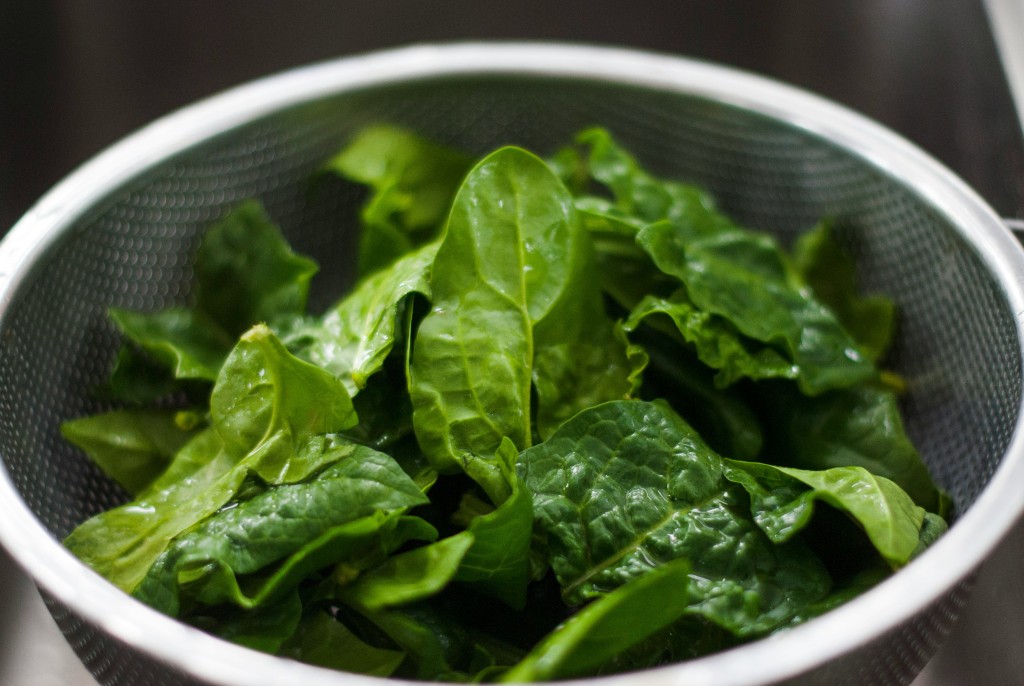
Spinach is nutritious, but because it grows close to the ground and has many leaf folds, it is often considered more prone to pesticide and dirt residue. Many people worry about consuming harmful substances. What is the correct way to wash vegetables to balance nutrient intake and reduce health risks? Reports show that spinach samples have a high detection rate of PFAS ("forever chemicals"), which are linked to cancer and infertility risks. Rehabilitation physician Dr. Wang Jun-ping highlighted in an April article that proper cleaning techniques are crucial for removing residue from leaf crevices.
Many people use saltwater, vinegar, or baking soda to wash vegetables, but doctors warn that these methods are not necessarily more effective and may even increase the risk of pesticide penetration. The correct cleaning method follows these 3 steps:
Step 1: Rinse Under Running Water for 30 Seconds
First, rinse the vegetables under running water to remove surface dirt, dust, and debris. This is a basic and essential step.
Step 2: Soak for 10 to 15 Minutes
Soak leafy greens like spinach in clean water for 10 to 15 minutes (for berries like strawberries and blueberries, 5 to 10 minutes is sufficient). Do not soak for too long, as dissolved pesticides may be reabsorbed by the vegetables.
Step 3: Maintain a Small, Continuous Flow
While soaking, keep a thin stream of water running (about the thickness of a chopstick). The gentle flow helps wash away residues. Finally, rinse under running water for about 30 seconds.
Different types of produce have very different structures and require different cleaning focuses. Leafy greens like spinach and cabbage have many folds that trap pesticides and dirt. Before washing, remove the outermost leaves and pay extra attention to the area where the stem meets the root.
"Wash first, then cut" is a crucial rule when handling vegetables. If you cut vegetables before washing, pesticides can easily enter the plant tissue through the cut surfaces, while water-soluble nutrients like vitamin C are also lost. This counterproductive step increases health risks.
Source: Rehabilitation Physician Dr. Wang Junping