Hong Kong continues to grapple with a severe wave of financial fraud, with investment scams delivering the heaviest blow to victims' wallets.
According to figures released by the Hong Kong Police Force’s Commercial Crime Bureau, the city recorded 20,613 fraud cases in the first half of this year, with total financial losses reaching HK$3.5 billion. While investment scams accounted for just over ten percent of total cases—numbering 2,151 incidents—they generated a staggering HK$1.66 billion in losses.
Representing nearly half of all monetary damage, these figures highlight the devastating impact and scale of modern investment swindles.
Romance and cryptocurrency
Police highlighted one particularly devastating online investment fraud involving a 67-year-old foreign businessman. The victim met a fraudster posing as an investment expert on Facebook in June 2025 before transitioning their conversations to WhatsApp, where the scammer cultivated a romantic relationship.
Over the following seven months, the businessman was persuaded to purchase and transfer approximately HK$84.79 million worth of cryptocurrency into the fraudster's digital wallets. He realized he had been tricked only after failing to withdraw his supposed investment returns.
Digital deception and physical fronts
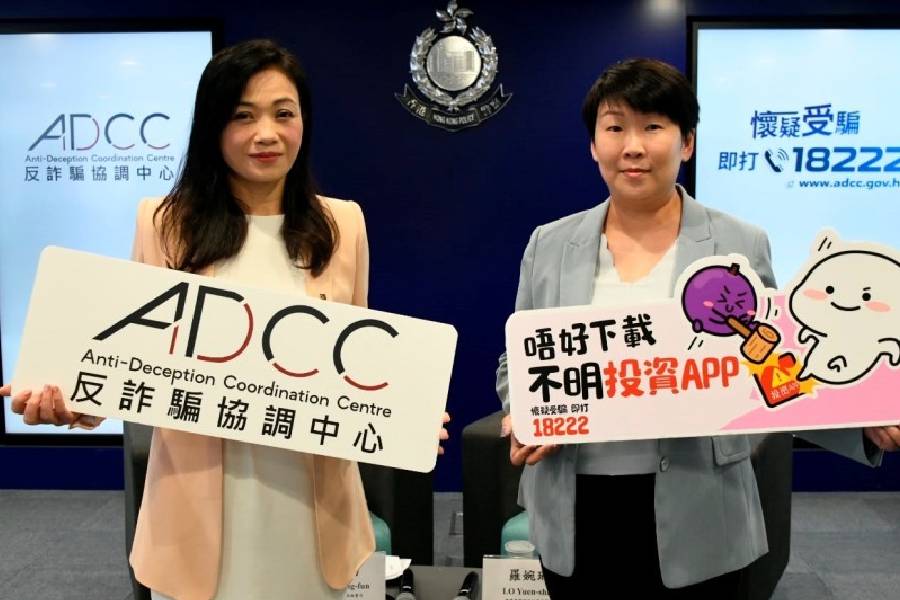
Senior Superintendent Hung Hing-fun of the Commercial Crime Bureau outlined the two primary operational modes currently dominating investment fraud.
The first involves digital deception, where syndicates post polished advertisements across major social media platforms.
Scammers increasingly deploy artificial intelligence to generate realistic avatars or impersonate prominent financial analysts while promising guaranteed, risk-free returns.
Once victims initiate contact via private messaging, fraudsters instruct them to transfer funds into private bank accounts or download fraudulent trading apps.
To build trust, these fake platforms display inflated virtual gains and initially permit minor withdrawals.
However, once victims deposit substantial capital or attempt a full withdrawal, the platforms shut down completely, leaving investors with nothing.
Coffee fund and JPEX platform cases
The second scheme relies on offline physical presentation, commonly referred to as "pump and dump" operations.
In these setups, crime syndicates portray themselves as fully licensed, globally regulated financial entities.
They hire social media influencers and key opinion leaders to flaunt high-end lifestyle content featuring luxury cars and expensive timepieces.
To further project legitimacy, these groups lease premium commercial venues to host grand opening ceremonies, investment seminars, and yacht parties.
These offline traps typically center around trendy investment concepts such as artificial intelligence, automated trading bots, or virtual assets to persuade targets to commit their savings.
Coffee fund and virtual platform schemes
Acting Superintendent Law Wan-san of the Fraud Division presented two major case studies illustrating the scope of these frauds.
The first involves "Fun Coffee (TCM)," an enterprise that began promoting tech-driven coffee shop investments last August.
The operators hosted promotional seminars and community events like marathons, enticing the public to invest using cryptocurrency while promising higher yields for larger deposits and longer commitment periods.
In July, the project’s mobile application abruptly stopped functioning, preventing users from accessing their funds.
As of August 13, police received reports from 273 victims aged between 32 and 83, with individual losses ranging from HK$3,000 to HK$9.63 million, totaling HK$113 million. Officers have arrested six individuals in connection with the case.
The second case involves JPEX, the largest and most costly financial fraud in Hong Kong's history.
The cryptocurrency exchange gained massive traction through heavy promotion by influencers and offline money exchangers.
Despite a warning issued by the Securities and Futures Commission (SFC) in September 2023 regarding false claims and unrealistic returns, the platform imposed exorbitant withdrawal fees before suspending operations entirely.
The case has accumulated 2,800 reported victims and total losses reaching HK$1.6 billion.
Police have arrested 81 people since 2023, with 29 charged with conspiracy to defraud, money laundering, or perverting the course of justice. Interpol has also issued red notices for two fleeing masterminds and a key syndicate member.
Police urge verification
Authorities stress that citizens must remain vigilant as social media algorithms and accessible artificial intelligence technology create fertile ground for scams, particularly targeting elderly and retired residents.
Hung noted that while AI tools make it easier for fraudsters to create believable visual assets and corporate materials, public defense relies on consistent skepticism.
Investors are advised to verify platforms through official regulatory registries like the SFC, conduct independent research, and check whether foreign authorities have flagged a project as fraudulent before committing capital.
Addressing the legal responsibilities of influencers and celebrities who endorse financial products, police cautioned that promoting virtual assets recklessly or dishonestly constitutes a criminal offense under the Anti-Money Laundering and Counter-Terrorist Financing Ordinance, carrying a maximum penalty of seven years in prison.
Charges under this law have already been filed against influencers involved in the JPEX investigation, and police continue to assess the specific role and intent of promoters across all active cases.
Authorities strongly recommend using the 24-hour anti-scam consultation hotline 18222 to verify suspicious websites or payment accounts, advising against downloading unknown apps or sending funds to personal bank accounts.