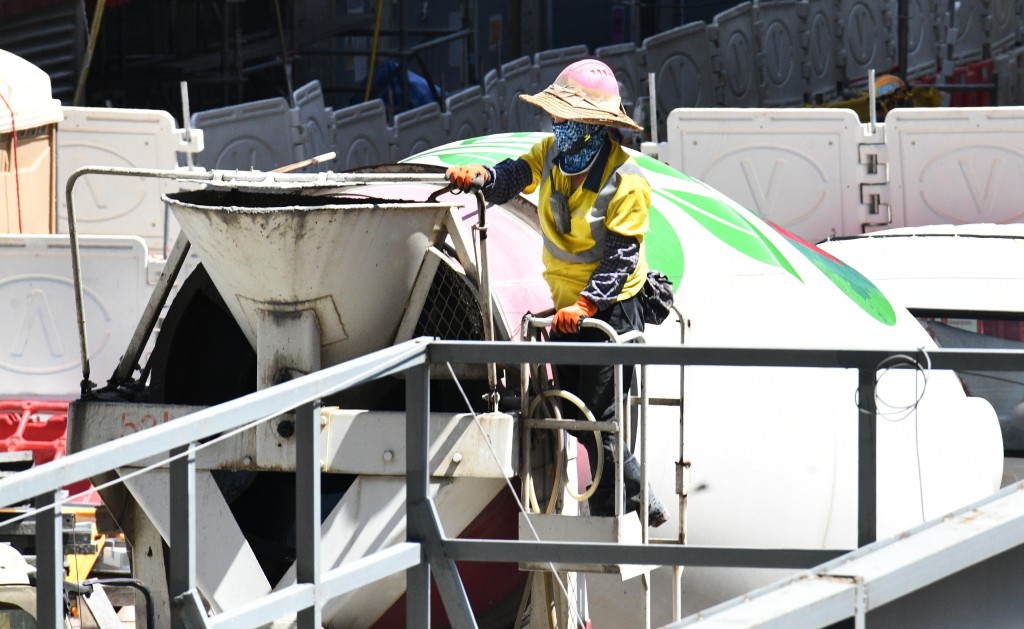
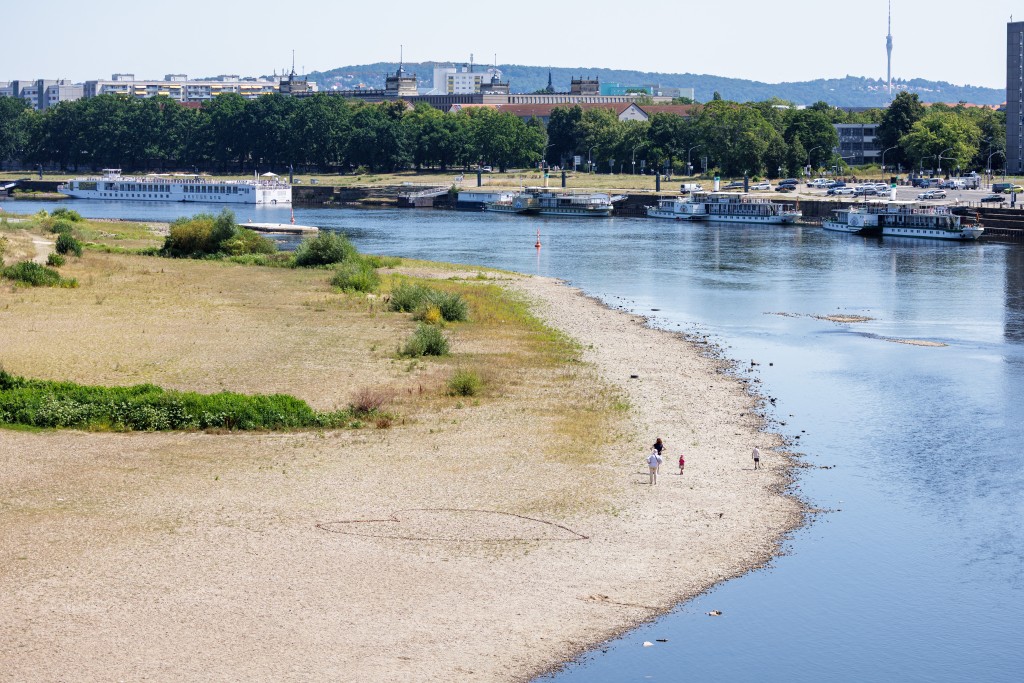
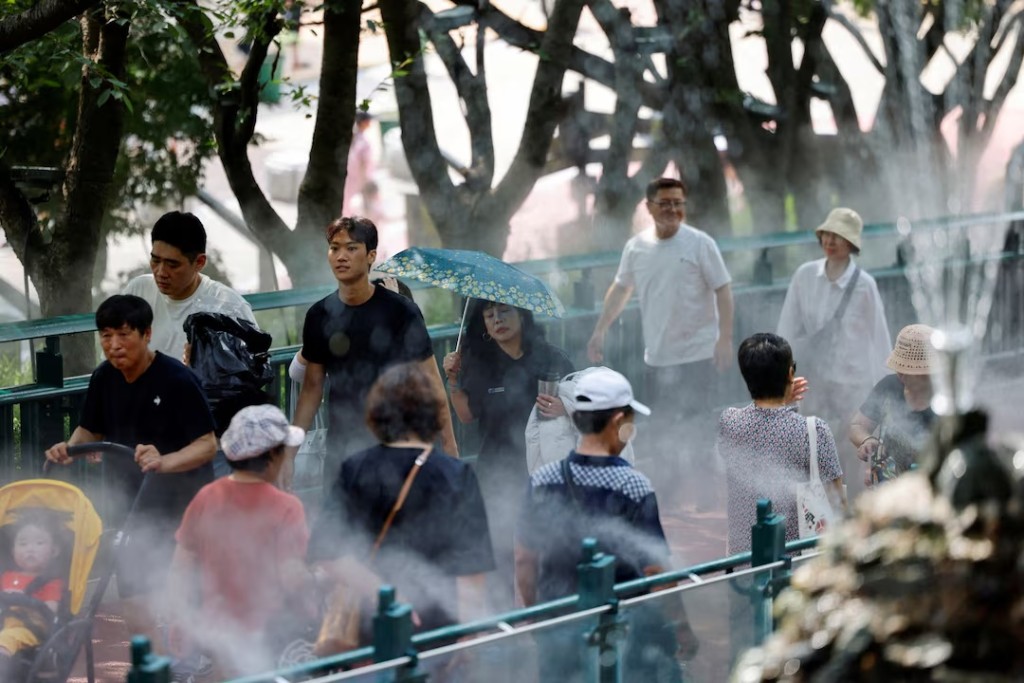
The government has been urged to overhaul its heat stress warning system by tying alerts directly to temperatures, issuing district-based warnings, and setting up dedicated rest points for workers, after only the lowest alert was triggered despite record-breaking temperatures.
Speaking on a radio program on Wednesday, lawmaker Lam Chun-sing said that although public awareness of heat stroke prevention has improved since the Heat Stress at Work Warning system was introduced in 2023, many workers still miss their designated break times. He attributed this to unclear instructions from supervisors and fears that taking breaks may be reported as “slacking off.”
He suggested making the system simpler by tying warning levels directly to standard temperature readings. For instance, he proposed that “red” or “black” alerts be triggered when temperatures reach 35 degrees Celsius or above, similar to the existing “Extremely Hot” Special Alert.
He said employers can adjust work hours more flexibly, such as scheduling longer breaks between noon and 3pm and shifting heavy tasks to later after 4pm.
Lam further called on the authorities to update the statutory schedule of occupational diseases, noting that it has remained unchanged for two decades. He said it is currently difficult to prove that heat stroke is work-related.
Li Wing-foo, chairman of the Staffs and Workers Union of Hong Kong Civil Airlines, said on the same program that tarmac staff faced extreme conditions as feel-like temperatures can reach 35 to 36 degrees even at night. Daytime temperatures inside cargo holds or near aircraft engine exhaust can rise to 40 degrees.
Li urged the government to introduce regional heat indicators to reflect temperature variations across districts and to put in place measures to help staff cool down.
Mickey Yan, chairman of Hong Kong Property Services Alliance, said that current heat stress warnings fail to reflect actual outdoor conditions for street cleaners, who are spread out and difficult to notify to rest at the same time.
He also pointed out that there is insufficient shaded space for outdoor workers, urging the government to establish dedicated rest points, modeled on those in the mainland, to provide shelter during extreme heat and heavy rain.
While the Food and Environmental Hygiene Department currently runs a similar scheme, Yan criticized the existing rest spots as being too widely scattered and lacking cross-department support.