The Centre for Health Protection (CHP) said Hong Kong has so far recorded no suspected local or imported Nipah virus cases, with its current risk assessment indicating a low chance of the virus being imported into the city.
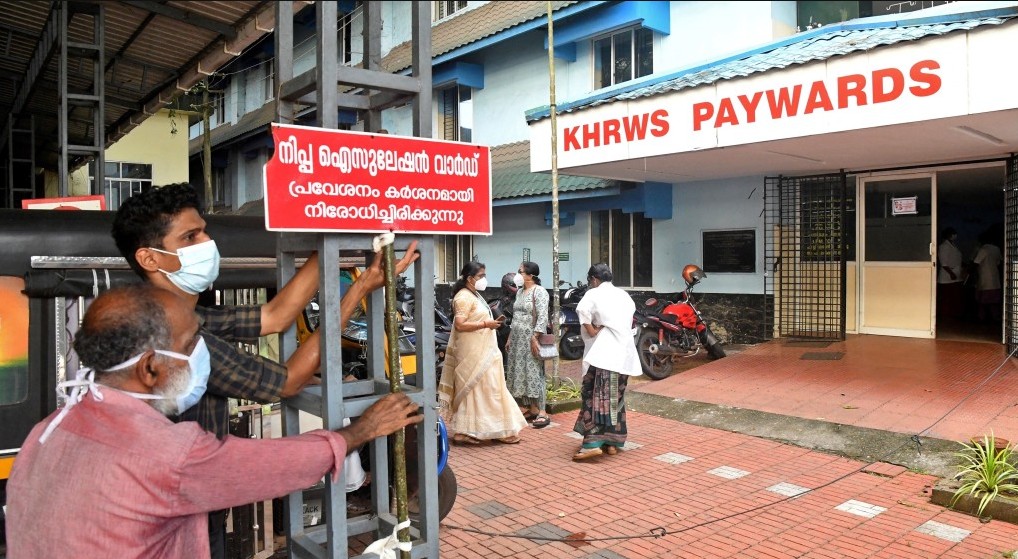
Speaking on a radio program on Wednesday, CHP’s Communicable Disease Branch Head Albert Au Ka-wing noted that the virus clusters in parts of India are limited to one hospital with no large-scale outbreak or cross-border cases.
He said CHP has enhanced airport monitoring and medical assessment for travelers arriving from India since Tuesday as a precautionary measure.
“We will conduct health screening on symptomatic individuals arriving from affected areas in India and promptly refer suspected cases to hospitals for follow-up checks,” he said, adding that patients will be isolated and close contacts will be traced once an imported case is detected.
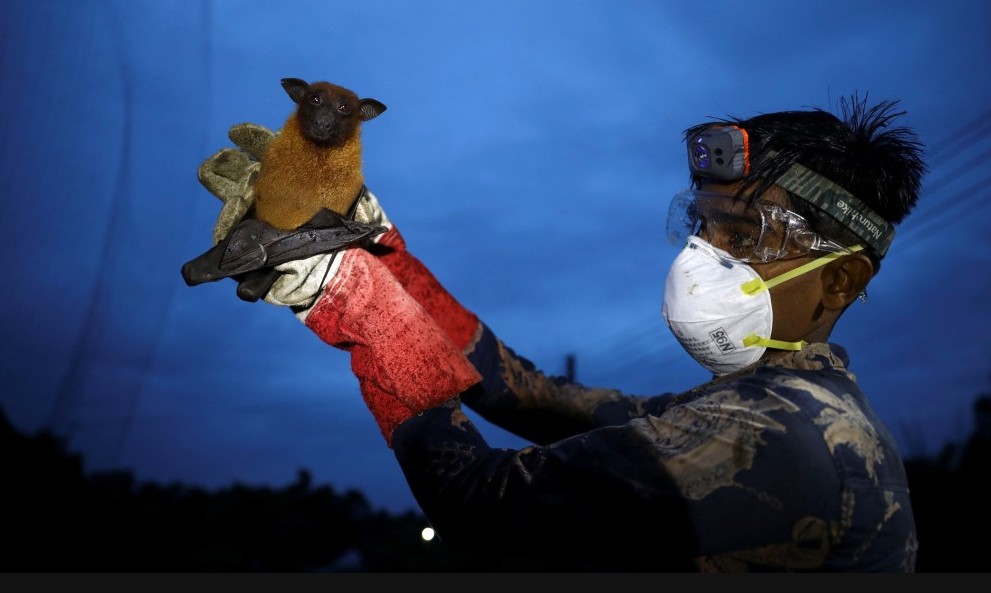
Au noted that Nipah virus can be transmitted from animals to humans and between humans. He urged residents travelling to India to exercise heightened vigilance, avoid contact with animals, particularly bats, pigs, horses, cats and dogs, and steer clear of bat habitats such as wild areas.
Residents should also maintain personal hygiene by washing hands frequently and pay close attention to food safety. For example, fruits must be thoroughly washed and peeled. They should never consume fruits that may have been bitten by animals, and refrain from drinking raw date palm juice or other unprocessed fruit juices locally, he added.
Meanwhile, University of Hong Kong infectious diseases expert Ivan Hung Fan-ngai noted that early symptoms resemble those of influenza, including fever, headache, vomiting and muscle soreness.
More severe complications may arise, such as pneumonia, seizures, and encephalitis, which can result in coma or even death. The virus has a high mortality rate of 40 to 75 percent, and there is currently no effective treatment available.
Hung added that the incubation period of Nipah generally ranges from four to 14 days, but it can extend up to two to three months, making diagnosis challenging at times.
Still, he pointed out that the Nipah virus is primarily transmitted via droplets or close contact, making it less contagious and reducing the risk of importation into Hong Kong.